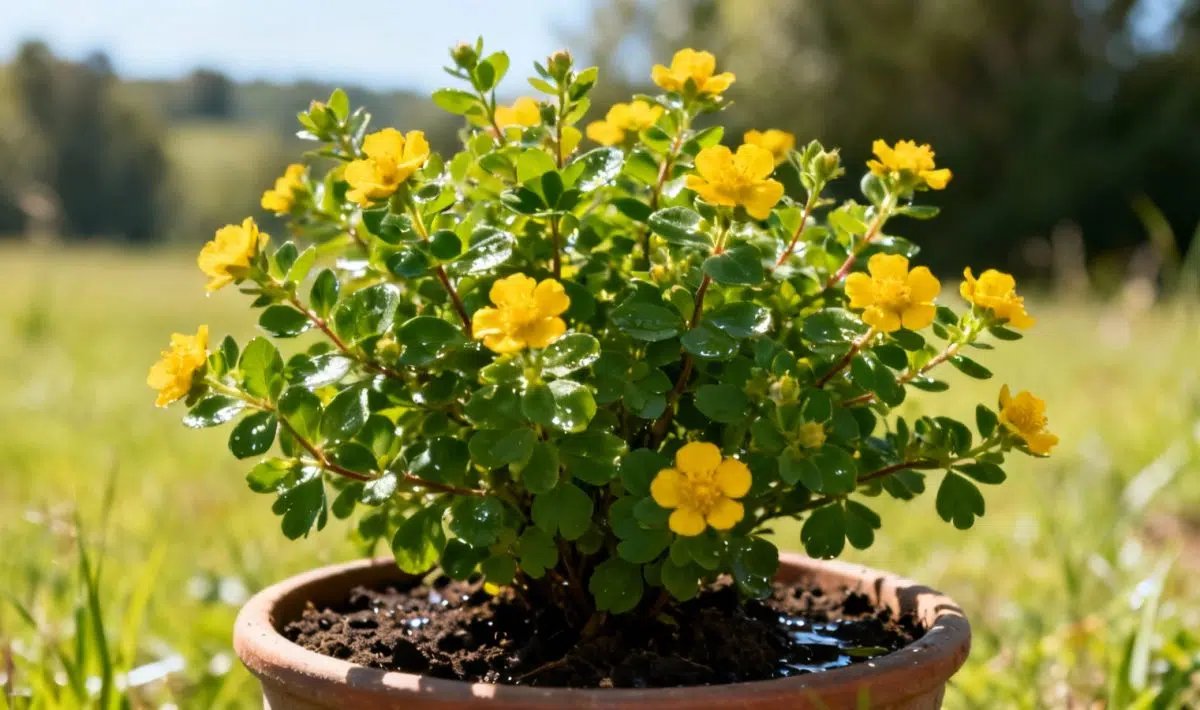
Shrubby cinquefoil (Dasiphora fruticosa) is a delightful yellow flowering plant that brightens gardens with its cheerful blooms. This hardy perennial has specific needs when it comes to sunlight exposure, and getting it right makes all the difference for healthy growth and abundant flowers. Understanding how much sunlight does shrubby cinquefoil need is essential for any gardener looking to cultivate this charming plant successfully.
This compact shrub thrives best in full sun conditions, requiring a minimum of six hours of direct sunlight daily. While it can tolerate some shade, the plant’s performance is notably better with ample sunshine. The bright yellow flowers that appear from spring through fall are most vibrant and numerous when the plant receives optimal light exposure.
Optimal sunlight conditions for healthy growth
Shrubby cinquefoil prefers full sun exposure throughout the day, particularly during the growing season. The plant performs exceptionally well when positioned in locations that receive six to eight hours of direct sunlight. This generous amount of light encourages robust growth and maintains the plant’s compact, bushy form that makes it such an attractive garden addition.
During early spring months, when new growth begins, adequate sunlight helps the plant establish strong stems and healthy foliage. The combination of warming soil temperatures and increasing daylight hours signals the shrubby cinquefoil to emerge from dormancy and begin its active growing phase. Much like how sunlight requirements for cucumber plants vary based on growth stage, cinquefoil’s needs are most critical during these formative months.
Summer months bring the peak blooming period, when the plant produces its characteristic bright flowers that attract butterflies and bees. Full sun exposure during this time ensures maximum flower production and helps maintain the vivid yellow coloration that makes this plant so desirable for landscape use.
Tolerance for partial shade conditions
While shrubby cinquefoil strongly prefers full sun, it does show some tolerance for partial shade conditions. In areas that receive three to six hours of direct sunlight, the plant can survive and even produce flowers, though not as abundantly as it would in full sun locations. This adaptability makes it suitable for gardens with varying light conditions.
Partial shade tolerance becomes particularly valuable in regions with intense summer heat, where some afternoon protection can prevent flower fading and reduce water stress. However, gardeners should note that extended periods of shade will result in leggy growth and reduced flowering. Similar to how sycamore tree sunlight preferences influence their overall health, cinquefoil’s light requirements directly impact its vigor and blooming capacity.
Morning sun priority
When full sun isn’t available, morning sunlight takes priority over afternoon exposure. The gentle morning rays help dry dew from leaves, reducing disease risk, while providing the energy needed for photosynthesis during the plant’s most active period. This timing consideration helps maximize the benefits of limited sunlight hours.
Seasonal sunlight considerations
Spring brings increasing daylight hours that coincide perfectly with shrubby cinquefoil’s natural growth cycle. As temperatures warm and days lengthen, the plant responds with new shoot development and eventual flower bud formation. Ensuring adequate sunlight during this critical period sets the foundation for the entire growing season.
The relationship between sunlight and plant performance becomes most apparent during summer months. Just as bottlebrush plant sunlight needs influence their vibrant blooms, cinquefoil requires consistent sun exposure to maintain its extended flowering period that can last from late spring through early fall.
Autumn sunlight, though less intense, remains important for helping the plant store energy reserves for winter dormancy. Even as flowering slows, adequate light exposure supports the development of hardy tissues that help the plant survive cold months.
Impact of sunlight on flowering and pollinators
Adequate sunlight directly influences both the quantity and quality of shrubby cinquefoil’s flowers. Plants grown in full sun produce larger, more numerous blooms with richer yellow coloration. These vibrant flowers serve as powerful attractants for beneficial insects, creating a thriving ecosystem in the garden.
Butterflies and bees are particularly drawn to well-lit cinquefoil plants, as the abundant nectar and pollen sources are more concentrated in flowers that develop under optimal sunlight conditions. This relationship between light exposure and pollinator activity highlights the broader ecological benefits of proper plant placement.
The timing of flower production also correlates with sunlight availability. Plants receiving consistent sun exposure begin blooming earlier in spring and continue producing flowers well into autumn, providing an extended season of pollinator support that benefits the entire garden ecosystem.
Practical planting and care tips
When selecting a location for shrubby cinquefoil, observe potential planting sites throughout different times of day to assess actual sunlight duration. Areas that appear sunny in morning might be shaded by structures or larger plants during peak afternoon hours, affecting the plant’s overall performance.
Soil preparation should complement the chosen sunny location. Well-draining soil prevents root problems that can be exacerbated by intense sun exposure, while organic matter additions help retain appropriate moisture levels during hot weather. Unlike more shade-tolerant species such as optimal sunlight for elephant ear plants, cinquefoil thrives in these brighter, well-drained conditions.
Regular maintenance becomes easier when plants receive adequate sunlight. Healthy, sun-grown shrubs maintain their natural compact shape with minimal pruning, and their vigorous growth helps them resist pest and disease problems that might affect stressed plants in suboptimal conditions.
Companion planting considerations
When planning garden layouts, consider how neighboring plants might affect sunlight availability for shrubby cinquefoil. Fast-growing companions can quickly overshadow shorter plants, while strategic placement of complementary species can create attractive combinations without compromising light access. Even plants with different requirements, like cow parsnip sunlight requirements, can coexist when properly positioned.
The key to successful shrubby cinquefoil cultivation lies in providing the generous sunlight exposure this cheerful plant craves. With proper placement in sunny locations and attention to seasonal light patterns, gardeners can enjoy months of bright yellow flowers that attract pollinators and add lasting beauty to any landscape design.
Allan is a lifelong gardening enthusiast who still gets excited when the first seedlings pop up in spring. With a deep love for nature and a hands-in-the-soil approach, he shares practical tips, plant discoveries, and clever tricks picked up over years of digging, planting, and observing. Whether you’re a new gardener or have a shed full of tools, Allan writes like a neighbor who’s always happy to swap cuttings and stories over the fence.
You can find more about Allan’s work on Malt or connect with him on LinkedIn.