When it comes to growing elephant ear plants, getting the lighting conditions just right can make or break your gardening success. These magnificent tropical plants, scientifically known as Colocasia esculenta, have specific sunlight needs that differ from many other garden favorites. Understanding how much sunlight does elephant ear need is crucial for achieving those stunning, oversized leaves that make these plants so spectacular.
Elephant ear plants thrive in bright, indirect light with some morning sun exposure. They typically need about 4-6 hours of gentle sunlight daily, preferring filtered light during the hottest parts of the day. Too much direct sunlight can scorch their massive leaves, while insufficient light leads to poor growth and smaller foliage.
Optimal lighting conditions for colocasia plants
The key to successful elephant ear cultivation lies in providing the right balance of light and protection. These plants perform best with morning sunlight followed by afternoon shade, especially in warmer climates. This pattern mimics their natural habitat where they grow under the canopy of larger trees.
In cooler regions, elephant ears can tolerate more direct sunlight throughout the day. However, you should always monitor your plants for signs of stress, such as yellowing or browning leaf edges. Just as understanding sunlight requirements for growing cucumbers helps with vegetable gardening, knowing your elephant ear’s specific needs ensures healthy growth.
Indoor vs outdoor lighting considerations
For indoor cultivation, place your elephant ear near a bright window that receives indirect sunlight. East-facing windows work particularly well, providing gentle morning light without the harsh afternoon rays. If natural light is limited, you can supplement with grow lights positioned 12-18 inches above the plant.
Outdoor elephant ears benefit from strategic placement where they receive dappled sunlight through trees or structures. This creates the perfect environment for robust growth while protecting the delicate leaf tissue from damage.
Seasonal adjustments for elephant ear lighting
During summer months, elephant ears may need extra protection from intense midday sun. Consider moving potted plants to shadier locations or installing shade cloth over garden beds. The intense heat and bright light can cause rapid water evaporation, stressing the plant even with adequate moisture.
Winter care involves different considerations, especially for indoor plants. Reduced daylight hours mean you might need to move your elephant ear closer to windows or add artificial lighting. Similar to how optimal sunlight for sycamore trees varies by season, elephant ears require seasonal light adjustments.
Signs your plant needs more or less light
Recognizing light-related stress helps you make timely adjustments. Elephant ears receiving insufficient light develop elongated stems, smaller leaves, and pale coloration. These symptoms indicate the plant is stretching toward available light sources.
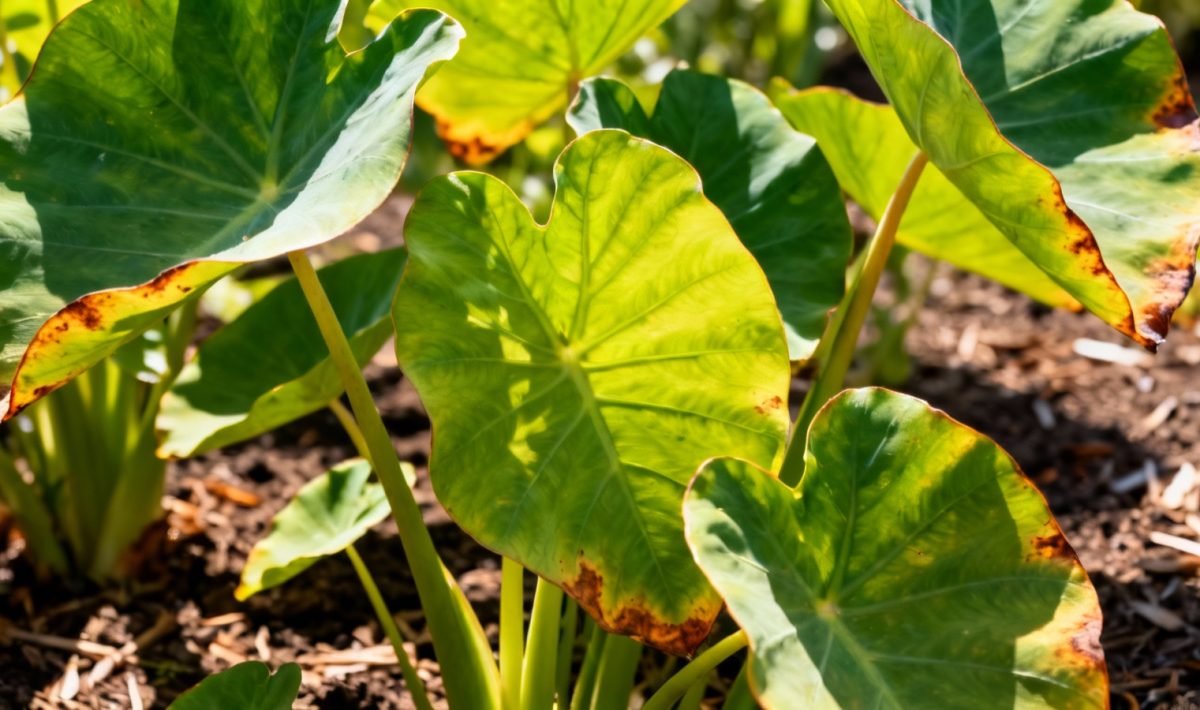
Conversely, too much direct sunlight causes leaf burn, appearing as brown or yellow patches on the foliage. The leaf edges may become crispy, and the plant may wilt even with adequate watering. Quick action prevents permanent damage to your prized elephant ear.
Maximizing growth with proper placement
Strategic placement of your elephant ear can dramatically improve its performance. Consider the sun’s path throughout your garden and identify spots that receive morning light but are shaded during peak afternoon hours. This natural progression provides ideal growing conditions.
For container gardening, mobility becomes an advantage. You can move your elephant ear to follow optimal lighting conditions throughout the growing season. This flexibility proves especially valuable during extreme weather conditions or seasonal changes.
Understanding lighting needs extends beyond just elephant ears. Learning about potato plant sunlight needs or sunlight for healthy cow parsnip helps create a comprehensive garden plan where each plant receives appropriate light exposure.
Common lighting mistakes to avoid
Many gardeners assume that bigger plants need more direct sunlight, but elephant ears actually prefer filtered light. Placing them in full sun locations often results in stressed, unhealthy plants with damaged foliage. This misconception leads to disappointing results despite proper care in other areas.
Another frequent error involves sudden changes in lighting conditions. Moving an elephant ear from shade to bright sun without gradual acclimation shocks the plant. Always transition slowly, increasing light exposure over several days to allow adaptation.
Creating the perfect microclimate
Successful elephant ear cultivation often involves creating favorable microclimates in your garden. Use taller plants or structures to provide natural shade during intense afternoon sun. This approach works particularly well when combined with adequate moisture and humidity.
Consider companion planting strategies that benefit both your elephant ear and surrounding plants. Much like understanding light conditions for rattlesnake plants, creating complementary plant communities enhances overall garden success.
Troubleshooting lighting problems
When elephant ear leaves start yellowing or developing brown spots, lighting issues are often the culprit. Begin by evaluating your plant’s current light exposure and comparing it to optimal conditions. Document any recent changes in the environment that might affect light availability.
Adjustments should be gradual to prevent additional stress. If increasing light exposure, do so incrementally over a week. Similarly, when providing more shade, use temporary coverings initially before making permanent changes.
Advanced lighting techniques
For serious gardeners, supplemental lighting options can extend the growing season and improve plant performance. LED grow lights specifically designed for foliage plants work well for indoor cultivation or greenhouse growing. Position lights to mimic natural sun patterns for best results.
Understanding specialized plant lighting extends to other tropical species as well. For instance, knowing about Dendrobium noble light requirements helps when creating mixed tropical displays where lighting needs vary significantly between species.
Remember that elephant ears are investments in your garden’s beauty and impact. Providing proper lighting conditions ensures these stunning plants reach their full potential, creating the dramatic tropical atmosphere that makes them so desirable. With attention to their specific sunlight needs, your elephant ear will reward you with magnificent foliage that transforms any garden space.
Allan is a lifelong gardening enthusiast who still gets excited when the first seedlings pop up in spring. With a deep love for nature and a hands-in-the-soil approach, he shares practical tips, plant discoveries, and clever tricks picked up over years of digging, planting, and observing. Whether you’re a new gardener or have a shed full of tools, Allan writes like a neighbor who’s always happy to swap cuttings and stories over the fence.
You can find more about Allan’s work on Malt or connect with him on LinkedIn.