
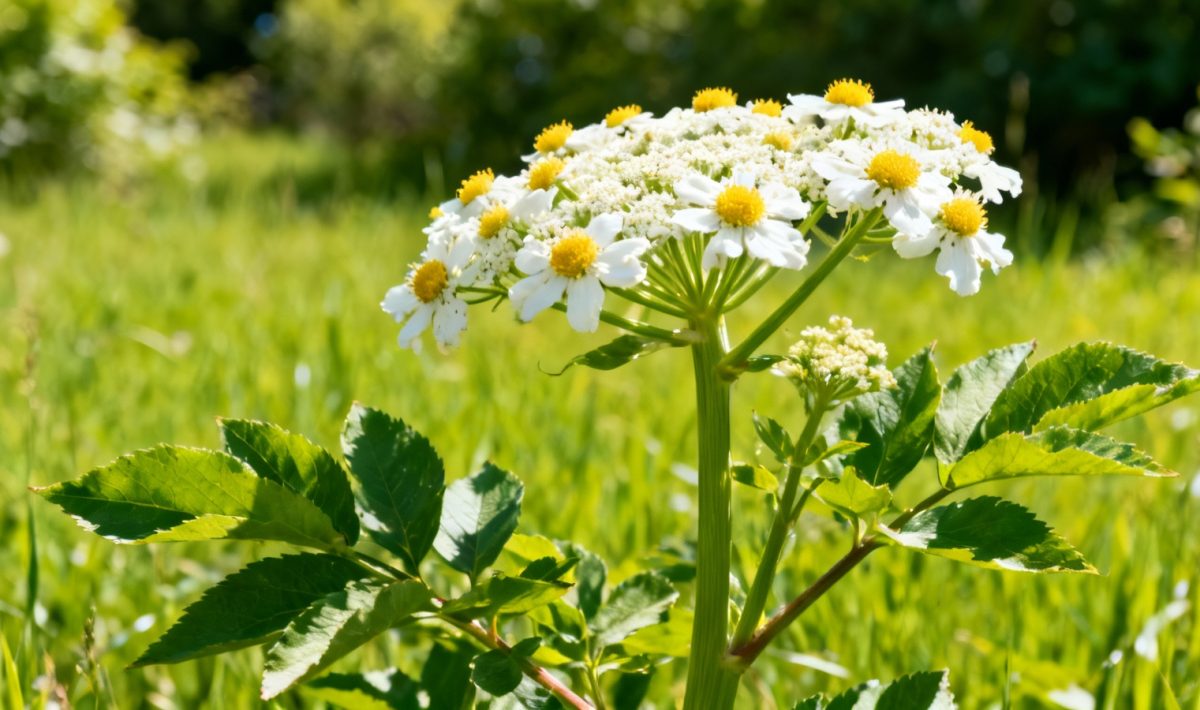
Understanding cow parsnip and its sunlight needs
Cow parsnip, scientifically known as Heracleum maximum or Heracleum sphondylium, is a robust perennial plant that requires at least 6 hours of direct sunlight daily for optimal growth. This native North American species thrives in open meadows, stream banks, and forest clearings where it can access abundant natural light. However, it’s crucial to understand that while this plant has specific sunlight requirements, it can pose serious health risks if handled improperly.
The plant’s impressive size – often reaching heights of 6 to 10 feet – makes it easily recognizable in its natural habitat. Its broad, compound leaves and distinctive white flower clusters called umbels create a striking appearance that demands attention. Understanding how much sunlight cow parsnip needs helps gardeners and naturalists better identify potential growing locations while maintaining proper safety precautions.
Natural habitat and light preferences
Cow parsnip typically grows in areas that receive full to partial sun exposure throughout the day. The plant has adapted to thrive in environments where it can capture maximum sunlight, similar to how sunlight requirements for cucumbers vary based on growing conditions. These locations often include:
- Open meadows and prairies
- Stream banks and wetland edges
- Forest clearings and woodland borders
- Roadside ditches with good sun exposure
The plant’s preference for sunny locations allows it to photosynthesize efficiently and support its massive growth potential. In areas with insufficient sunlight, cow parsnip may become leggy and weak, making it more susceptible to wind damage and disease.
Optimal sunlight conditions for cow parsnip growth
Research indicates that cow parsnip performs best with 6 to 8 hours of direct sunlight per day. This level of sun exposure supports healthy leaf development, strong stem growth, and prolific flowering. The plant can tolerate some shade, particularly during the hottest part of the day, but extended periods of low light will significantly impact its vigor.
Interestingly, specimens growing in partial shade tend to remain more tender throughout the growing season compared to those in full sun. This characteristic was noted by indigenous peoples who traditionally harvested young cow parsnip shoots as a food source. Just as sunlight needs of sycamore trees influence their growth patterns, light exposure affects cow parsnip’s texture and palatability.
Factors affecting light requirements
Several environmental factors can influence how much sunlight cow parsnip actually needs for healthy growth. Soil moisture plays a significant role – plants growing in consistently moist soils can tolerate slightly less direct sunlight than those in drier conditions. Temperature also matters, as cow parsnip growing in cooler climates may require more sun exposure to achieve the same growth rates as plants in warmer regions.
Elevation affects sunlight intensity and duration, with higher altitude locations providing more intense UV radiation. Cow parsnip growing at elevation may actually require less total sun exposure hours due to the increased light intensity, much like how optimal sunlight for potatoes varies with growing conditions.
Dangerous confusion with giant hogweed
One of the most critical aspects of identifying cow parsnip involves distinguishing it from its dangerous cousin, giant hogweed (Heracleum mantegazzianum). While both plants have similar sunlight requirements, giant hogweed poses severe health risks that make proper identification essential for safety.
Giant hogweed is an invasive species that can cause serious chemical burns when its sap contacts human skin, especially when exposed to sunlight. The plant’s toxic compounds become activated by UV radiation, creating painful blistering and scarring that can last for months or even years. This phototoxic reaction makes sun exposure particularly dangerous after contact with giant hogweed.
Key identification differences
Understanding the visual differences between these species can prevent dangerous encounters:
- Size: Giant hogweed grows 8-14 feet tall, while cow parsnip typically reaches 6-10 feet
- Stem markings: Giant hogweed has distinctive purple blotches and bristles on hollow stems
- Leaf texture: Giant hogweed leaves are deeply incised and jagged
- Flower size: Giant hogweed umbels can reach 2.5 feet across
Both plants prefer similar growing conditions with abundant sunlight, which unfortunately means they may be found in the same types of habitats. This overlap makes careful identification even more important for anyone working in areas where these plants might grow.
Safety precautions and management
Whether dealing with cow parsnip or giant hogweed, safety should always be the primary concern. Even native cow parsnip can cause skin irritation in sensitive individuals, particularly when plant sap comes into contact with skin that’s subsequently exposed to sunlight.
Professional removal often becomes necessary when these plants establish themselves in inappropriate locations. The timing of removal activities should consider the plant’s growth cycle and sunlight requirements, similar to how gardeners plan care for other sun-loving plants like rattlesnake plant sunlight needs vary throughout the season.
Protective measures
Anyone working near these plants should take comprehensive safety precautions:
- Wear long sleeves, long pants, and gloves
- Use eye protection to prevent sap contact
- Avoid working with plants on sunny days when possible
- Wash clothing and tools thoroughly after contact
- Seek immediate medical attention if skin irritation occurs
The relationship between sunlight and plant toxicity makes timing particularly important. Early morning or overcast days provide safer conditions for any necessary plant management activities.
Environmental impact and biodiversity
While cow parsnip is native to North America and plays a role in local ecosystems, giant hogweed represents a serious threat to biodiversity. The invasive species can quickly dominate sunny habitats, crowding out native plants and disrupting established ecological relationships.
Both species’ preference for sunny, moist locations puts them in direct competition with many native wildflowers and grasses. This competition becomes particularly intense in riparian areas where sunlight penetrates the forest canopy, creating ideal growing conditions.
Management strategies
Effective management of problematic parsnip species requires understanding their sunlight requirements and growth patterns. Strategies include:
- Creating shade to limit photosynthesis
- Repeated cutting before seed production
- Professional herbicide application when appropriate
- Replanting with competitive native species
Long-term success depends on addressing the underlying habitat conditions that make areas suitable for these plants, including excessive sunlight exposure in sensitive ecosystems.
Conclusion
Understanding how much sunlight cow parsnip needs – approximately 6 to 8 hours of direct sun daily – helps with proper identification and management of this impressive but potentially problematic plant. While cow parsnip itself is native and less dangerous than giant hogweed, both species require careful handling and respect.
The key takeaway is that sunlight requirements alone cannot distinguish between safe and dangerous parsnip species. Proper identification based on size, stem markings, and leaf characteristics remains essential for safety. When in doubt, it’s always better to avoid contact and consult with local botanical experts or extension services.
Whether you encounter these plants in natural settings or managed landscapes, remember that their love of sunshine makes them most active and potentially most dangerous during bright, sunny days. Approach with caution, prioritize safety, and appreciate these remarkable plants from a respectful distance.

Allan is a lifelong gardening enthusiast who still gets excited when the first seedlings pop up in spring. With a deep love for nature and a hands-in-the-soil approach, he shares practical tips, plant discoveries, and clever tricks picked up over years of digging, planting, and observing. Whether you’re a new gardener or have a shed full of tools, Allan writes like a neighbor who’s always happy to swap cuttings and stories over the fence.
You can find more about Allan’s work on Malt or connect with him on LinkedIn.


