
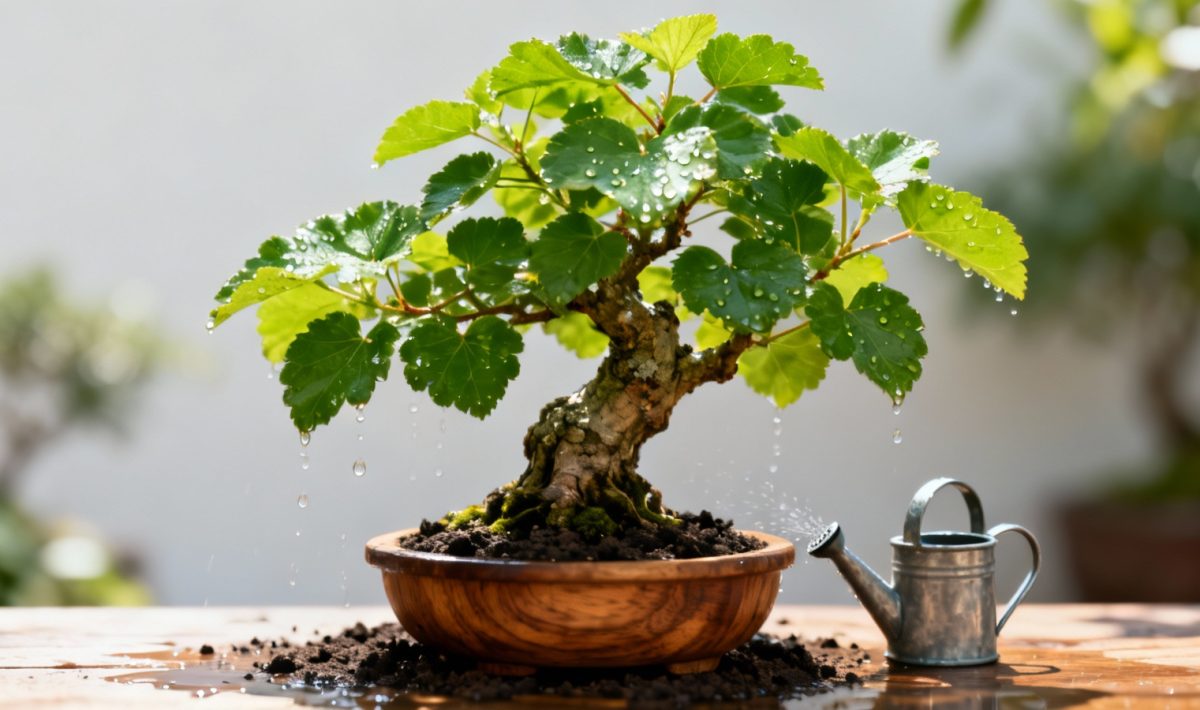
Understanding your common hackberry’s water needs
The common hackberry stands out as one of the most resilient trees you can grow, but understanding its water requirements will make all the difference in your plant’s health. This hardy species adapts well to various conditions, yet proper watering remains crucial for optimal growth. How often should you water your common hackberry depends on several key factors that we’ll explore together.
Your hackberry’s water needs change dramatically throughout the year, much like how you might crave different foods with the seasons. During spring and summer, when growth is most active, your tree will consume more water to support new foliage and development. However, fall and winter bring a natural slowdown, requiring much less frequent watering sessions.
Seasonal watering patterns for optimal growth
Spring arrives with renewed vigor for your hackberry, and this is when you’ll notice increased water consumption. Typically, you’ll want to water every 2-3 days during active growing periods, checking the soil moisture with your finger. The top inch should feel slightly dry before your next watering session.
Summer heat intensifies your tree’s thirst, especially if you’re growing it in a pot or container. You might find yourself watering daily during particularly hot spells, though this varies based on your local climate conditions. Similarly, for those interested in other drought-resistant plants, understanding how to care for common mugwort can provide valuable insights into managing water-wise gardening.
As fall approaches, gradually reduce your watering frequency to once every 4-5 days. Winter requires the least water, with weekly sessions often proving sufficient for most hackberry specimens.
Key factors influencing watering frequency
The type of pot you choose significantly impacts how often your hackberry will need water. Clay pots allow for better drainage and air circulation, meaning you’ll water more frequently but with less risk of root rot. Plastic containers retain moisture longer, requiring less frequent but more careful watering.
Drainage holes are absolutely essential for your hackberry’s health. Without proper drainage, even the most careful watering schedule won’t prevent water-logged roots and potential plant death. Make sure your pot has multiple drainage holes to allow excess water to escape freely.
Environmental conditions that matter
Your local climate plays a huge role in determining watering needs. Hot, dry climates will naturally require more frequent watering, while cool, humid conditions might allow you to water less often. Indoor hackberries face different challenges, with heated homes during winter creating surprisingly dry conditions.
Air circulation around your plant also affects water uptake. Good airflow helps prevent fungal issues while allowing the plant to transpire normally. If you’re growing multiple plants together, ensure adequate spacing for proper air movement.
Practical watering techniques and tools
When you do water your hackberry, aim for a thorough soaking rather than light sprinkles. Water slowly until you see it draining from the bottom holes, ensuring the entire root system receives adequate moisture. This deep watering encourages strong root development and better drought tolerance.
A watering can with a fine spout works wonderfully for precise application, while a moisture meter can take the guesswork out of timing. These small gadgets cost very little but provide valuable information about soil conditions below the surface.
For those exploring various plant care techniques, learning about watering tips for common mallow can offer additional perspectives on managing different plant species effectively.
Signs your hackberry is properly hydrated
Healthy hackberry foliage appears vibrant green with good leaf retention throughout the growing season. The soil should feel evenly moist but never soggy, and new growth should emerge regularly during active periods.
Watch for signs of stress that indicate watering adjustments are needed. Wilting leaves, especially during cooler parts of the day, suggest underwatering. Conversely, yellowing leaves that drop prematurely often signal overwatering issues.
Common watering mistakes to avoid
Many plant enthusiasts fall into the trap of watering on a rigid schedule rather than responding to their plant’s actual needs. Your hackberry doesn’t care what day of the week it is, only whether its soil conditions are appropriate.
Overwatering kills more hackberries than underwatering, particularly during winter months when growth slows dramatically. The temptation to maintain summer watering frequencies year-round often proves fatal for these otherwise hardy trees.
Another common mistake involves watering too lightly and too frequently. This practice encourages shallow root development and makes your plant more susceptible to drought stress. For guidance on avoiding similar issues with other species, exploring watering advice for common peony reveals useful techniques for proper soil moisture management.
Special considerations for different growing situations
Hackberries grown in bonsai pots require more frequent attention due to limited soil volume. You might need to water daily during summer, always checking soil moisture before proceeding. These small containers dry out much more quickly than standard pots.
Ground-planted hackberries develop extensive root systems that make them remarkably drought-tolerant once established. After the first year, you’ll rarely need supplemental watering except during extreme drought conditions.
Modern watering innovations and tools
Today’s gardeners have access to numerous helpful gadgets that make hackberry care more precise and convenient. Self-watering systems can maintain consistent moisture levels, though they require careful setup and monitoring.
Smart plant monitors connect to your phone and provide real-time soil moisture data. While not essential for hackberry care, these devices help beginners learn to read their plants’ needs more accurately.
For those managing multiple plant species, understanding diverse watering needs becomes crucial. Learning about guidelines for watering common dandelion can complement your hackberry care knowledge, especially when dealing with different moisture requirements across your plant collection.
Adapting your routine for long-term success
Successful hackberry care means developing an intuitive understanding of your plant’s needs rather than following rigid rules. Start by checking soil moisture daily until you recognize the patterns and timing that work for your specific situation.
Keep a simple log for the first few months, noting when you water and how the plant responds. This record helps you identify patterns and adjust your approach based on seasonal changes and plant maturity.
Remember that your hackberry will become more drought-tolerant with age, gradually requiring less frequent watering as its root system develops. What works for a young plant may be too much for a mature specimen, so stay flexible in your approach.
The key to watering your common hackberry successfully lies in observation, adaptation, and understanding that each plant’s needs are unique. With time and attention, you’ll develop the skills needed to keep your hackberry thriving year after year.

Allan is a lifelong gardening enthusiast who still gets excited when the first seedlings pop up in spring. With a deep love for nature and a hands-in-the-soil approach, he shares practical tips, plant discoveries, and clever tricks picked up over years of digging, planting, and observing. Whether you’re a new gardener or have a shed full of tools, Allan writes like a neighbor who’s always happy to swap cuttings and stories over the fence.
You can find more about Allan’s work on Malt or connect with him on LinkedIn.


