
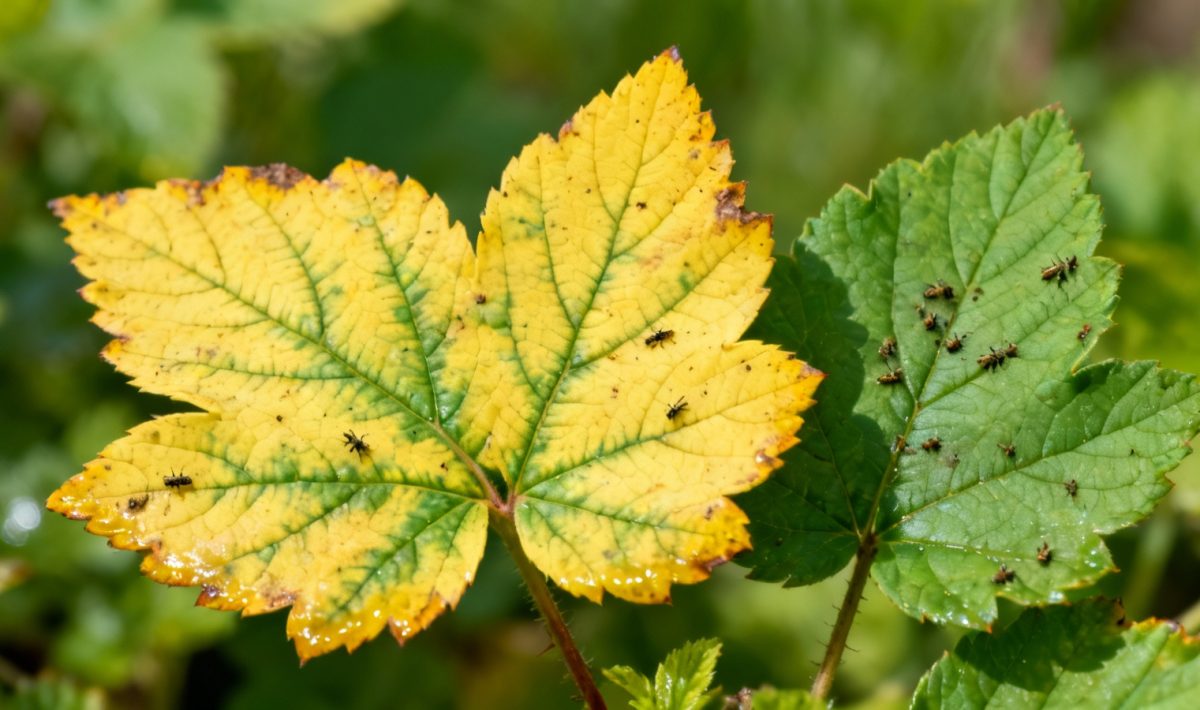
Understanding why your common hackberry leaves are turning yellow
When you notice your beautiful hackberry tree developing yellow leaves, it’s natural to feel concerned about your plant’s health. The good news is that yellowing leaves on Celtis occidentalis, while alarming, are often a sign that your tree is trying to tell you something specific about its growing conditions.
Common hackberry trees are generally hardy plants, but they can experience stress from various factors that manifest as color changes in their foliage. Understanding these causes will help you take the right steps to restore your tree’s vibrant green appearance and ensure its long-term health.
Natural causes of leaf yellowing in hackberry trees
Water stress and soil issues
One of the most common reasons for yellowing leaves is improper watering. Your hackberry tree needs consistent moisture, but not waterlogged conditions. When the soil becomes too dry, the tree conserves water by dropping older leaves, which first turn yellow as chlorophyll breaks down.
Conversely, overwatering can be just as problematic. Waterlogged soil prevents roots from getting the oxygen they need, leading to root rot and yellowing foliage. Check your soil drainage by digging a small hole near your tree – water should drain within a few hours, not sit for days.
✅ Quick Checklist
- Is the soil too wet or too dry?
- Is the plant getting 6+ hours of sunlight daily?
- Have you fertilized in the last 2 months?
- Are there visible pests under the leaves?
- Does the pot have adequate drainage?
Diagnose your plant in one click!
AI instant diagnosis • Personalized solutions • 50,000+ species
Nutrient deficiencies affecting leaf color
Yellow leaves can also indicate that your tree isn’t getting the nutrients it needs. Nitrogen deficiency is particularly common and causes older leaves to yellow first, as the plant moves this essential nutrient to newer growth. Iron deficiency, on the other hand, typically affects younger leaves first and creates a distinctive yellowing pattern with green veins.
Hackberry trees growing in poor or compacted soil often struggle to absorb nutrients effectively. This is especially true in urban environments where soil quality may be compromised. A soil test can reveal specific deficiencies and guide your fertilization strategy.
Common diseases and pest problems
Several diseases can cause yellowing in hackberry leaves. Anthracnose, a fungal disease, often develops during wet spring weather and causes leaves to yellow and drop prematurely. You’ll typically notice brown spots or patches on affected leaves before they turn yellow.
Aphids and other sucking insects can also weaken your tree and cause leaf yellowing. These small pests feed on plant juices, reducing the tree’s vigor and causing stress that manifests as color changes. Look for clusters of tiny insects on the undersides of leaves or sticky honeydew on foliage.
Similar yellowing patterns can be observed in other plants, such as the reasons for yellowing honeysuckle leaves which often share comparable underlying causes. Understanding these connections helps you develop better diagnostic skills for all your garden plants.
Environmental factors influencing leaf health
Weather conditions and seasonal changes
Extreme weather can stress hackberry trees and cause yellowing leaves. Drought conditions force the tree to conserve water by dropping leaves, while excessive rainfall can lead to fungal problems and root issues. Late spring frosts can damage new growth, causing affected leaves to yellow and drop.
Temperature fluctuations during the growing season can also impact leaf health. Hackberry trees prefer consistent conditions, and sudden changes can cause stress responses that include yellowing foliage.
Air quality and pollution impact
Urban hackberry trees often face additional challenges from air pollution and soil contamination. Salt spray from winter road treatments can accumulate in soil and damage root systems, leading to yellowing leaves during the following growing season.
Industrial pollutants and exhaust fumes can also affect leaf health directly, causing them to yellow prematurely. Trees planted near busy roads or industrial areas are particularly susceptible to these environmental stressors.
Effective solutions for preventing yellow leaves
Proper watering techniques
Establish a consistent watering schedule that provides deep, infrequent irrigation rather than frequent shallow watering. Water your hackberry tree deeply once or twice per week during dry periods, allowing the soil to dry slightly between waterings.
Apply water slowly at the base of the tree, extending out to the drip line where feeder roots are located. This encourages deep root growth and helps the tree become more drought-tolerant over time.
Appropriate fertilization strategies
Feed your hackberry tree with a balanced, slow-release fertilizer in early spring before new growth begins. A fertilizer with an N-P-K ratio of 10-10-10 or similar provides the essential nutrients your tree needs without over-stimulating growth.
For trees showing signs of iron deficiency, apply chelated iron according to package directions. This specialized fertilizer helps correct the yellowing caused by iron chlorosis, particularly in alkaline soils where iron becomes less available to plants.
✅ Quick Checklist
- Is the soil too wet or too dry?
- Is the plant getting 6+ hours of sunlight daily?
- Have you fertilized in the last 2 months?
- Are there visible pests under the leaves?
- Does the pot have adequate drainage?
Diagnose your plant in one click!
AI instant diagnosis • Personalized solutions • 50,000+ species
Regular maintenance and monitoring
Inspect your hackberry tree regularly for signs of pest activity or disease development. Early detection allows for more effective treatment and can prevent minor issues from becoming major problems that affect the entire tree.
Prune dead, diseased, or damaged branches promptly to improve air circulation and reduce disease pressure. Make clean cuts with sharp tools, and avoid pruning during wet weather when fungal spores are more likely to spread.
Just as with common causes of hazel leaf yellowing, maintaining proper care routines and monitoring your hackberry tree’s health throughout the growing season will help you catch problems early and maintain vibrant, healthy foliage.
When to seek professional help
While many cases of yellowing leaves can be addressed with proper care adjustments, some situations require professional intervention. If yellowing continues despite your best efforts, or if you notice additional symptoms like bark damage, fungal growth, or extensive dieback, consult a certified arborist.
Professional tree care specialists can perform soil tests, identify specific diseases or pests, and recommend targeted treatments that may not be available to homeowners. They can also assess whether your tree’s location and growing conditions are suitable for long-term health.
Remember that healthy hackberry trees are valuable additions to any landscape, providing shade, wildlife habitat, and year-round interest. With proper care and attention to their needs, you can enjoy your tree’s beauty for many years while preventing the yellowing that initially caused concern.

Allan is a lifelong gardening enthusiast who still gets excited when the first seedlings pop up in spring. With a deep love for nature and a hands-in-the-soil approach, he shares practical tips, plant discoveries, and clever tricks picked up over years of digging, planting, and observing. Whether you’re a new gardener or have a shed full of tools, Allan writes like a neighbor who’s always happy to swap cuttings and stories over the fence.
You can find more about Allan’s work on Malt or connect with him on LinkedIn.


