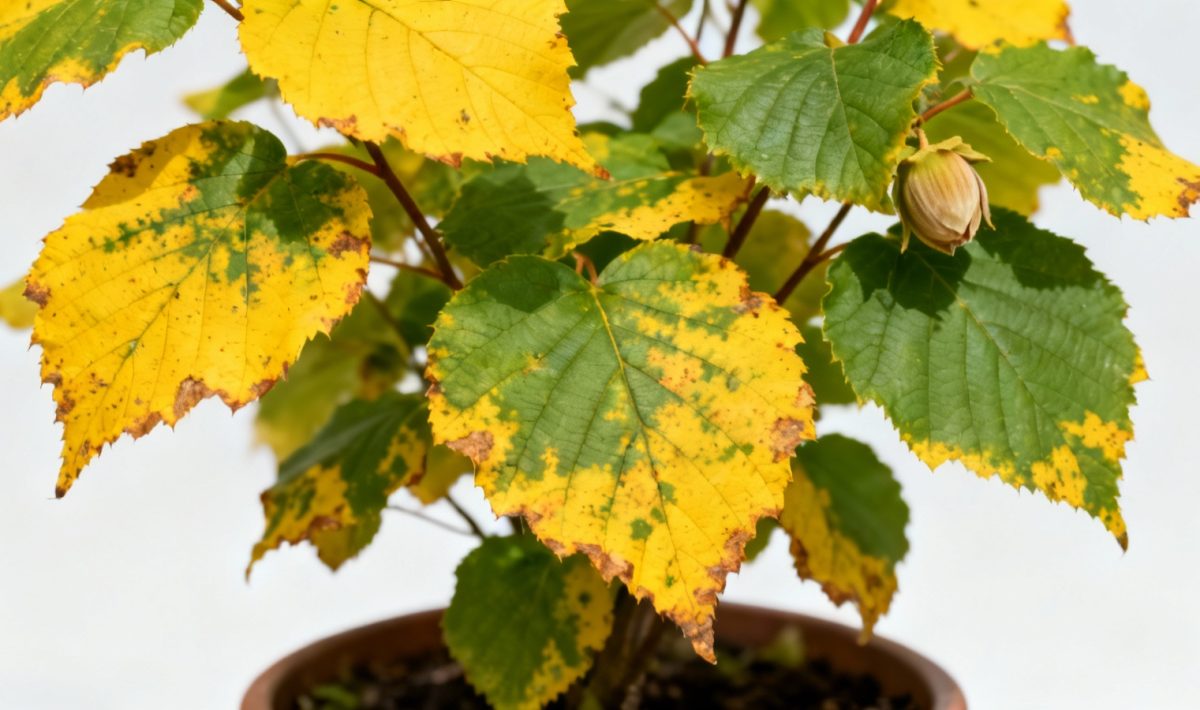
Why are my common hazel leaves turning yellow – plant care diagnosis
Seeing your beautiful hazel tree with yellow leaves can be quite concerning, especially when you’re not sure what’s causing the problem. Don’t worry though – yellowing leaves are actually quite common and usually treatable once you identify the underlying cause. Let me walk you through the most likely culprits and how to fix them.
Most of the time, when hazel leaves turn yellow, it’s because something in their environment isn’t quite right. These trees are generally hardy, but they do have specific needs that must be met for optimal health.
Soil conditions and drainage issues
Your hazel’s soil plays a huge role in leaf color. These trees prefer well-draining soil that doesn’t stay soggy after watering or rainfall. If the roots sit in waterlogged conditions, they can’t absorb nutrients properly, leading to that telltale yellow appearance.
Poor drainage often creates anaerobic conditions around the roots, which prevents them from functioning normally. You’ll want to check if water pools around your tree after heavy rain or watering sessions.
✅ Quick Checklist
Is the soil too wet or too dry?
Is the plant getting 6+ hours of sunlight daily?
Have you fertilized in the last 2 months?
Are there visible pests under the leaves?
Does the pot have adequate drainage?
🔥 FREE
📱
Diagnose your plant in one click!
AI instant diagnosis • Personalized solutions • 50,000+ species
Yellow leaves often signal that your hazel isn’t getting the nutrients it needs. Nitrogen deficiency is particularly common and shows up as yellowing that starts with older leaves first. Iron deficiency causes a different pattern – the leaves turn yellow while the veins stay green.
Magnesium deficiency is another possibility, especially if you notice the yellowing between leaf veins while the edges remain green. This typically happens when the soil pH is too high or too low for optimal nutrient uptake.
Light and temperature stress
Hazel trees need adequate sunlight to maintain healthy green foliage. If your tree suddenly gets too much shade from nearby structures or other plants, the leaves may start turning yellow as the tree struggles to photosynthesize effectively.
Temperature extremes can also cause leaf yellowing. Late spring frosts or unusually hot weather can shock the tree and trigger premature leaf color changes. This is especially common in early summer when temperatures fluctuate dramatically.
Disease and pest problems
While environmental factors are the most common cause, diseases and pests can also turn hazel leaves yellow. It’s important to inspect your tree carefully for signs of these issues.
Fungal infections
Several fungal diseases can affect hazel trees and cause leaf yellowing. Leaf blight is particularly troublesome and often starts as small brown spots that expand and cause surrounding tissue to turn yellow. Root rot is another serious fungal issue that affects nutrient uptake and leads to widespread yellowing.
Similar to causes of yellowing honeysuckle leaves, fungal problems often develop in humid conditions with poor air circulation. Proper spacing and pruning can help prevent these issues.
Common insect pests
Aphids are frequent visitors to hazel trees and can cause significant damage if left unchecked. These small insects feed on plant sap, weakening the tree and causing leaves to yellow and curl. You’ll often find them clustered on new growth or the undersides of leaves.
Spider mites are another pest that can cause yellowing, especially during hot, dry weather. They create fine webbing on leaves and cause stippling damage that eventually leads to yellowing and leaf drop.
Proper care and maintenance solutions
Once you’ve identified what’s causing your hazel’s yellow leaves, you can take steps to address the problem and prevent it from recurring.
Watering techniques that work
Consistent, deep watering is key to maintaining healthy hazel trees. Rather than frequent shallow watering, give your tree a thorough soaking once or twice per week, depending on weather conditions. This encourages deep root development and better drought tolerance.
Water early in the morning to reduce evaporation and give the tree time to absorb moisture before the heat of the day. Always water at the base of the tree rather than overhead to minimize disease risk.
Fertilization strategies
A balanced fertilizer applied in early spring can help prevent nutrient-related yellowing. Look for a formula with equal parts nitrogen, phosphorus, and potassium, plus micronutrients like iron and magnesium.
Organic options like compost or well-aged manure work wonderfully and improve soil structure while providing nutrients. Apply these materials in a ring around the tree, staying several inches away from the trunk.
✅ Quick Checklist
Is the soil too wet or too dry?
Is the plant getting 6+ hours of sunlight daily?
Have you fertilized in the last 2 months?
Are there visible pests under the leaves?
Does the pot have adequate drainage?
🔥 FREE
📱
Diagnose your plant in one click!
AI instant diagnosis • Personalized solutions • 50,000+ species
Regular pruning helps maintain good air circulation and removes diseased or damaged branches before problems spread. The best time to prune hazel trees is during their dormant season in late winter or early spring.
Remove any dead, diseased, or crossing branches first. Then thin out crowded areas to improve light penetration and air movement. This helps prevent many of the fungal diseases that can cause leaf yellowing.
Prevention and long-term care
Just like with reasons for yellowing blackberry leaves, preventing problems is much easier than treating them after they occur. Good cultural practices go a long way toward keeping your hazel healthy.
Mulching around the base of your tree helps retain soil moisture and suppress weeds that compete for nutrients. Use organic mulch like wood chips or shredded bark, keeping it a few inches away from the trunk to prevent pest problems.
Regular monitoring is crucial for catching problems early. Check your hazel weekly during the growing season, looking for changes in leaf color, unusual spots, or signs of pest activity. Early intervention almost always leads to better outcomes.
Remember that some leaf yellowing is completely normal, especially in fall when the tree prepares for dormancy. However, widespread yellowing during the growing season usually indicates a problem that needs attention. With proper care and attention to your tree’s needs, you can keep your hazel healthy and productive for years to come.
Allan is a lifelong gardening enthusiast who still gets excited when the first seedlings pop up in spring. With a deep love for nature and a hands-in-the-soil approach, he shares practical tips, plant discoveries, and clever tricks picked up over years of digging, planting, and observing. Whether you’re a new gardener or have a shed full of tools, Allan writes like a neighbor who’s always happy to swap cuttings and stories over the fence.
You can find more about Allan’s work on Malt or connect with him on LinkedIn.