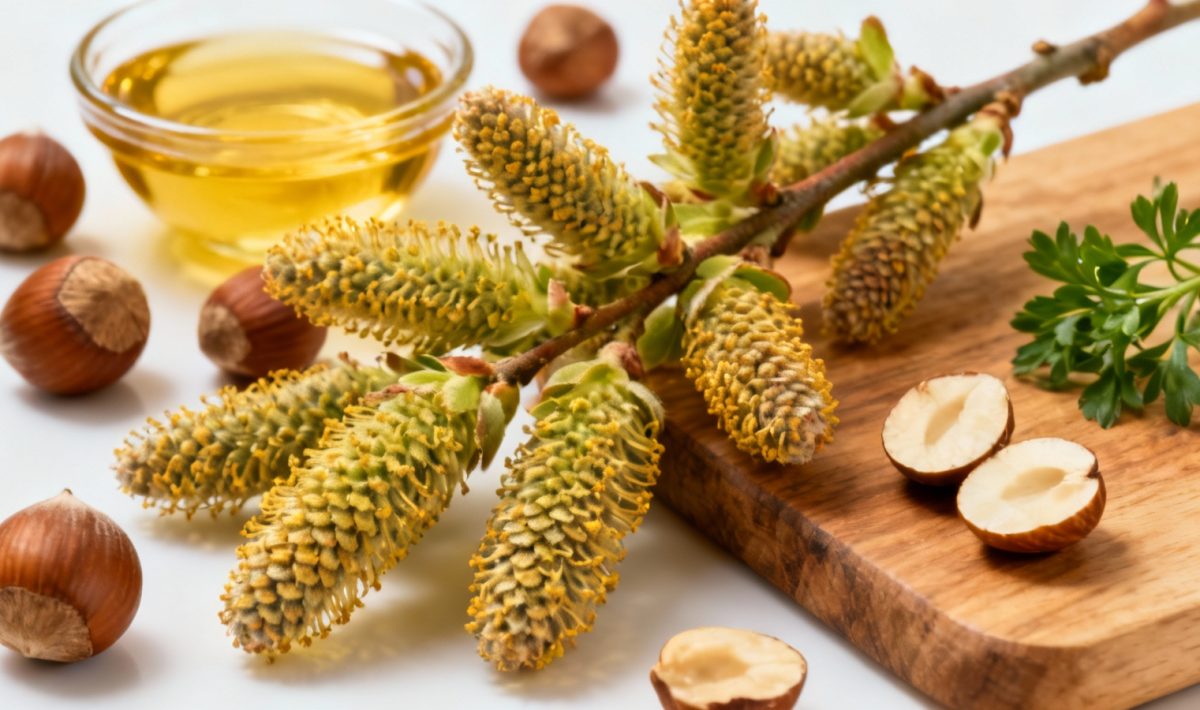
Hazel catkins benefits: nutritional properties and culinary uses
Have you ever noticed those dangling yellowish clusters hanging from hazel trees in early spring? These are hazel catkins, and they’re far more than just decorative elements of nature. These remarkable flowers pack an impressive nutritional punch and offer surprising culinary possibilities that have been cherished for generations.
Hazel catkins represent the male flowers of the hazelnut tree, appearing before the leaves emerge. Unlike their female counterparts, these catkins are designed to release pollen into the wind, but they also serve as an excellent wild food source. Their unique composition makes them particularly interesting for those exploring natural nutrition and sustainable eating practices.
Hazel catkins contain an impressive array of nutrients that rival many conventional foods. These small, elongated flowers are rich in proteins, reaching up to 20% protein content – a remarkably high percentage for wild edible plants. This protein content makes them valuable for anyone looking to diversify their protein sources naturally.
The nutritional profile extends well beyond proteins. These catkins are abundant in essential minerals including calcium, magnesium, phosphorus, and potassium. These minerals play crucial roles in bone health, muscle function, and maintaining proper nervous system activity. Additionally, they contain valuable vitamins B1, B2, and E, which support metabolism and provide antioxidant protection.
What makes hazel catkins particularly special is their content of unsaturated fatty acids. These beneficial fats help maintain healthy cholesterol levels and support cardiovascular health. For those interested in exploring the complete scope of these remarkable flowers, you can health benefits of hazel catkins to understand their full therapeutic potential.
Health benefits and therapeutic properties
Traditional herbal medicine has long recognized the therapeutic value of hazel catkins. They possess diaphoretic properties, meaning they can promote healthy sweating, which traditionally supports the body’s natural detoxification processes. This property has made them useful in folk medicine for managing fevers and supporting overall wellness during seasonal transitions.
The high vitamin E content in these catkins provides powerful antioxidant benefits. Antioxidants help protect cells from oxidative stress and may support healthy aging processes. The combination of vitamins, minerals, and beneficial compounds creates a synergistic effect that may contribute to overall vitality and well-being.
Research into wild edible plants continues to reveal fascinating insights about traditional foods. Those wanting to delve deeper into the scientific aspects can nutritional properties of hazel catkins for more detailed information about their biochemical composition.
Harvesting and culinary applications
The best time to harvest hazel catkins is during late winter or early spring, typically between February and March, depending on your location. Look for catkins that are fully elongated but haven’t yet begun releasing their pollen. Fresh catkins should feel firm and have a bright yellow-green color.
When harvesting, choose trees away from roadsides or polluted areas. Collect catkins by gently pulling them from the branches – they should come off easily when ready. A light shake can help determine if they’re at the right stage; mature catkins will release a small cloud of pollen when disturbed.
Fresh hazel catkins have a subtle, nutty flavor with earthy undertones. They can be eaten raw as a trailside snack, though many people prefer them cooked. Raw catkins provide a pleasant crunch and make an interesting addition to salads or grain bowls. The taste intensifies slightly when cooked, developing richer, more complex flavors.
Cooking methods and recipe ideas
One of the most popular ways to prepare hazel catkins is by making a nutritious purée. This involves blanching the catkins briefly in boiling water, then blending them with a small amount of water or stock. The resulting purée has a creamy texture and can be used as a base for soups, sauces, or spread on bread.
For those interested in expanding their wild food repertoire, you can culinary uses of hazel catkins to discover creative recipes and preparation techniques that make the most of these remarkable ingredients.
Hazel catkins also make excellent herbal teas. Simply steep a small handful of fresh or dried catkins in hot water for 5-10 minutes. The resulting tea has a mild, pleasant flavor and provides many of the nutritional benefits in an easily digestible form. Some people enjoy mixing catkin tea with other herbal teas or adding honey for sweetness.
Another interesting preparation method involves incorporating catkins into baked goods. They can be ground into flour and mixed with regular flour to create unique breads, muffins, or crackers. This approach adds both nutritional value and an interesting flavor dimension to conventional recipes.
Safety considerations and precautions
While hazel catkins are generally safe for most people, some individuals may experience allergic reactions, particularly those sensitive to tree pollens. If you have known allergies to hazelnut trees or other tree pollens, exercise caution when first trying catkins. Start with small amounts and monitor for any adverse reactions.
Pregnant women should consult healthcare providers before adding new wild foods to their diet. While traditional use suggests safety, individual circumstances can vary, and professional guidance ensures the best outcomes for both mother and baby.
Always ensure proper plant identification before harvesting. While hazel trees are relatively easy to identify, mistaking other plants for hazel catkins could be dangerous. Consider learning from experienced foragers or consulting reliable field guides when starting your wild food journey.
For comprehensive information about the complete range of benefits these remarkable flowers offer, you might want to exploring hazel catkins’ nutritional benefits to gain deeper insights into their therapeutic potential.
Sustainable harvesting practices
When collecting hazel catkins, practice sustainable harvesting to ensure continued availability. Never harvest more than one-third of the catkins from any single tree, and avoid harvesting from the same trees repeatedly. This approach allows the trees to complete their reproductive cycle while still providing you with this valuable food source.
Consider the local ecosystem when harvesting. Birds and other wildlife also depend on these resources, particularly during late winter when food sources are scarce. Respectful harvesting ensures that both humans and wildlife can benefit from nature’s abundance.
Many enthusiasts find that cultivating their own hazel trees provides a reliable, sustainable source of catkins. Hazel trees are relatively easy to grow and can thrive in many climate zones. They begin producing catkins within a few years of planting and continue producing for decades.
Traditional uses and cultural significance
Throughout history, various cultures have recognized the value of hazel catkins. Traditional European folk medicine used them for treating circulatory issues and supporting digestive health. Some traditions also valued them for their ability to provide sustained energy during food-scarce periods.
Modern interest in wild foods and traditional nutrition has sparked renewed attention to these remarkable flowers. Contemporary nutritionists and foragers appreciate how catkins provide essential nutrients while connecting us to traditional food systems that sustained our ancestors.
Those interested in learning more about the broader context of these nutritional powerhouses can discover the benefits of catkins to understand their place in both traditional and modern nutrition.
The growing movement toward sustainable, locally-sourced nutrition has highlighted wild foods like hazel catkins. They represent an opportunity to reduce dependence on industrial agriculture while accessing highly nutritious foods that grow naturally in many environments.
For anyone beginning their journey into wild nutrition and seeking comprehensive guidance, you can learn about nutritional benefits of catkins to build a solid foundation of knowledge about these and other wild edible plants.
Hazel catkins offer a unique opportunity to connect with nature while accessing remarkable nutrition. Whether you’re interested in their therapeutic properties, culinary potential, or simply want to explore sustainable food sources, these humble flowers provide an excellent starting point. Remember to harvest responsibly, start slowly if you’re new to wild foods, and always prioritize safety in your foraging adventures.
Allan is a lifelong gardening enthusiast who still gets excited when the first seedlings pop up in spring. With a deep love for nature and a hands-in-the-soil approach, he shares practical tips, plant discoveries, and clever tricks picked up over years of digging, planting, and observing. Whether you’re a new gardener or have a shed full of tools, Allan writes like a neighbor who’s always happy to swap cuttings and stories over the fence.
You can find more about Allan’s work on Malt or connect with him on LinkedIn.