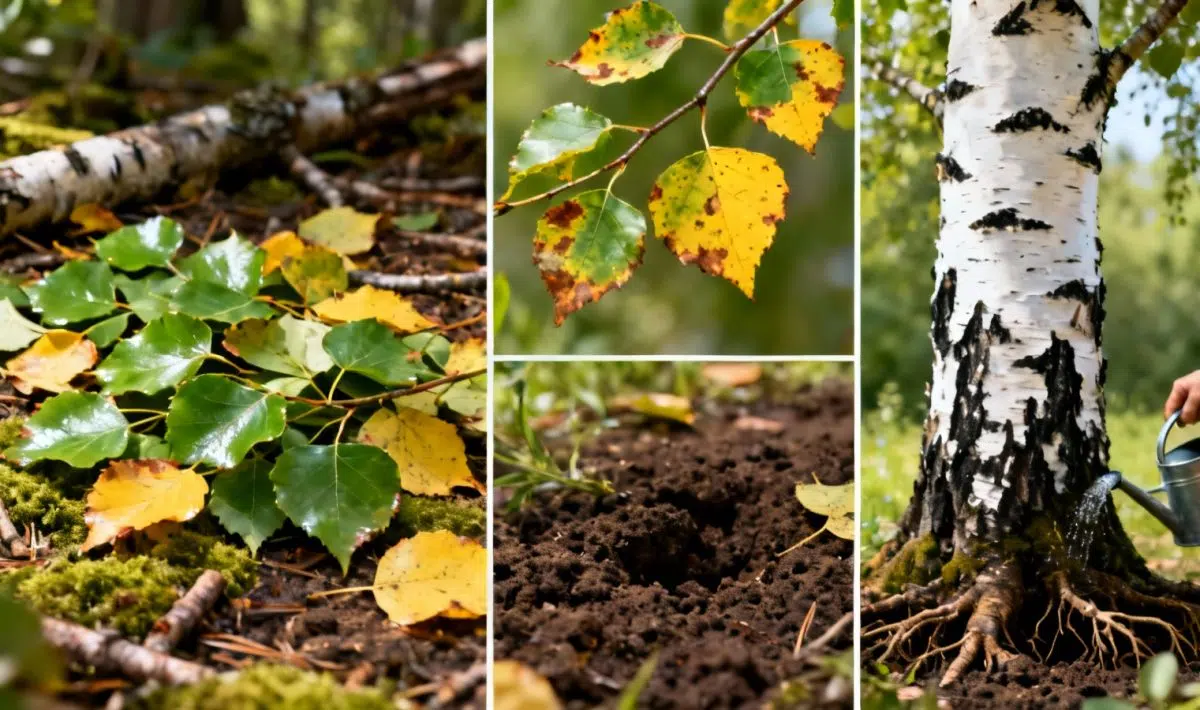
Why are my silver birch leaves turning yellow? Common causes and solutions
Nothing quite compares to the elegant beauty of a silver birch tree with its distinctive white bark and delicate foliage. However, when you notice your silver birch leaves turning yellow, it’s natural to feel concerned about your tree’s health. This yellowing can occur for various reasons, from seasonal changes to more serious underlying issues that require attention.
Understanding why your silver birch is displaying this symptom will help you determine whether immediate action is needed or if it’s simply part of the tree’s natural cycle. Let’s explore the most common causes and what you can do to keep your birch healthy and thriving.
Understanding the natural cycle of silver birch leaves
Before panicking about yellow leaves, it’s essential to consider the time of year and your tree’s natural patterns. Silver birch trees are deciduous, which means they naturally shed their leaves each fall. During this seasonal transition, leaves gradually change from their vibrant green color to yellow, then brown, before dropping to the ground.
This process typically begins in early to mid-autumn and is completely normal. The tree is simply preparing for winter by withdrawing nutrients from the leaves back into its trunk and roots. If you notice yellowing during fall months, this is likely just your birch following its natural cycle and not a cause for concern.
✅ Quick Checklist
Is the soil too wet or too dry?
Is the plant getting 6+ hours of sunlight daily?
Have you fertilized in the last 2 months?
Are there visible pests under the leaves?
Does the pot have adequate drainage?
🔥 FREE
📱
Diagnose your plant in one click!
AI instant diagnosis • Personalized solutions • 50,000+ species
One of the most common reasons for premature yellowing in silver birch trees is water stress, which can occur from both overwatering and underwatering. These beautiful trees prefer consistently moist but well-draining soil, and any disruption to this balance can quickly manifest as yellow leaves.
Overwatering is particularly problematic because it leads to waterlogged roots that cannot absorb oxygen properly. When roots begin to suffocate, they cannot effectively transport nutrients to the leaves, causing them to yellow and potentially drop. You might notice this issue if your soil feels soggy or if water pools around the base of your tree after watering.
Conversely, drought stress from insufficient watering will also cause leaves to turn yellow as the tree tries to conserve moisture. Silver birch trees have relatively shallow root systems compared to other trees, making them more susceptible to dry conditions. During hot summer months, your tree may need supplemental watering to maintain its health and vibrant green foliage.
Nutrient deficiencies affecting leaf color
Just like other plants, silver birch trees require specific nutrients to maintain healthy green leaves. When these nutrients are lacking in the soil, yellowing is often the first visible sign of deficiency. The most common culprit is nitrogen deficiency, which typically causes older leaves to yellow first while newer growth remains green.
Iron deficiency, known as chlorosis, presents differently with yellowing that begins between the leaf veins while the veins themselves remain green. This creates a distinctive pattern that’s easy to identify. Poor soil pH can also prevent your tree from absorbing nutrients effectively, even when they’re present in adequate quantities.
Much like how causes of yellowing honeysuckle leaves can indicate similar nutrient issues, your birch tree’s yellowing may be telling you that the soil needs attention. Regular soil testing can help you identify which nutrients are lacking and guide you toward appropriate fertilization.
Disease and pest problems
Several diseases and pests can cause silver birch leaves to turn yellow prematurely. Fungal infections such as leaf spot diseases create yellow patches or rings on leaves, often accompanied by brown or black spots. These diseases thrive in humid conditions and can spread quickly if not addressed promptly.
Aphids are another common problem that can cause yellowing. These small insects feed on leaf sap, weakening the tree and causing leaves to yellow and curl. You might also notice a sticky substance called honeydew on the leaves, which is a telltale sign of aphid activity.
Birch leaf miners are particularly troublesome pests that tunnel through leaves, creating brown trails and causing yellowing around the affected areas. While rarely fatal to mature trees, these pests can significantly impact the tree’s appearance and overall vigor if left untreated.
Environmental factors and stress
Silver birch trees are sensitive to various environmental stresses that can trigger leaf yellowing. Extreme temperatures, whether too hot or too cold for the season, can shock the tree and cause premature color changes. Additionally, sudden changes in growing conditions, such as transplant shock, can manifest as yellowing leaves.
Air pollution and chemical exposure are often overlooked causes of leaf yellowing. Road salt in winter, herbicide drift from nearby treatments, or even exhaust fumes can damage delicate birch foliage. If your tree is located near roads or in urban environments, these factors may be contributing to the problem.
Similar to reasons for snake plant leaf discoloration, environmental stress can manifest in various ways depending on the specific conditions your plant faces. Understanding these factors will help you create a more suitable environment for your birch tree.
✅ Quick Checklist
Is the soil too wet or too dry?
Is the plant getting 6+ hours of sunlight daily?
Have you fertilized in the last 2 months?
Are there visible pests under the leaves?
Does the pot have adequate drainage?
🔥 FREE
📱
Diagnose your plant in one click!
AI instant diagnosis • Personalized solutions • 50,000+ species
Addressing yellowing leaves requires a systematic approach based on identifying the underlying cause. Start with proper watering practices by checking soil moisture regularly and adjusting your watering schedule accordingly. The soil should feel slightly moist but never soggy, and good drainage is essential for healthy root function.
For nutrient deficiencies, consider applying a balanced fertilizer designed for trees in early spring. If you suspect iron deficiency, an iron chelate supplement can help restore the green color to your leaves. However, it’s worth having your soil tested first to determine exactly which nutrients are needed.
When dealing with pests or diseases, early intervention is key. Remove affected leaves promptly and dispose of them away from your tree to prevent spread. For severe infestations, you may need to apply appropriate treatments, but many problems can be managed with proper cultural practices like improving air circulation around the tree.
Prevention is always better than treatment when it comes to tree health. Ensure your silver birch is planted in an appropriate location with good drainage and adequate sunlight. Regular monitoring will help you catch problems early, and maintaining consistent care practices will keep your tree resilient against various stresses.
Remember that healthy trees are much more resistant to problems, so focusing on overall tree care rather than just treating symptoms will give you the best long-term results. With proper attention and care, your silver birch can recover from most yellowing issues and continue to be a beautiful addition to your landscape for years to come.
Allan is a lifelong gardening enthusiast who still gets excited when the first seedlings pop up in spring. With a deep love for nature and a hands-in-the-soil approach, he shares practical tips, plant discoveries, and clever tricks picked up over years of digging, planting, and observing. Whether you’re a new gardener or have a shed full of tools, Allan writes like a neighbor who’s always happy to swap cuttings and stories over the fence.
You can find more about Allan’s work on Malt or connect with him on LinkedIn.