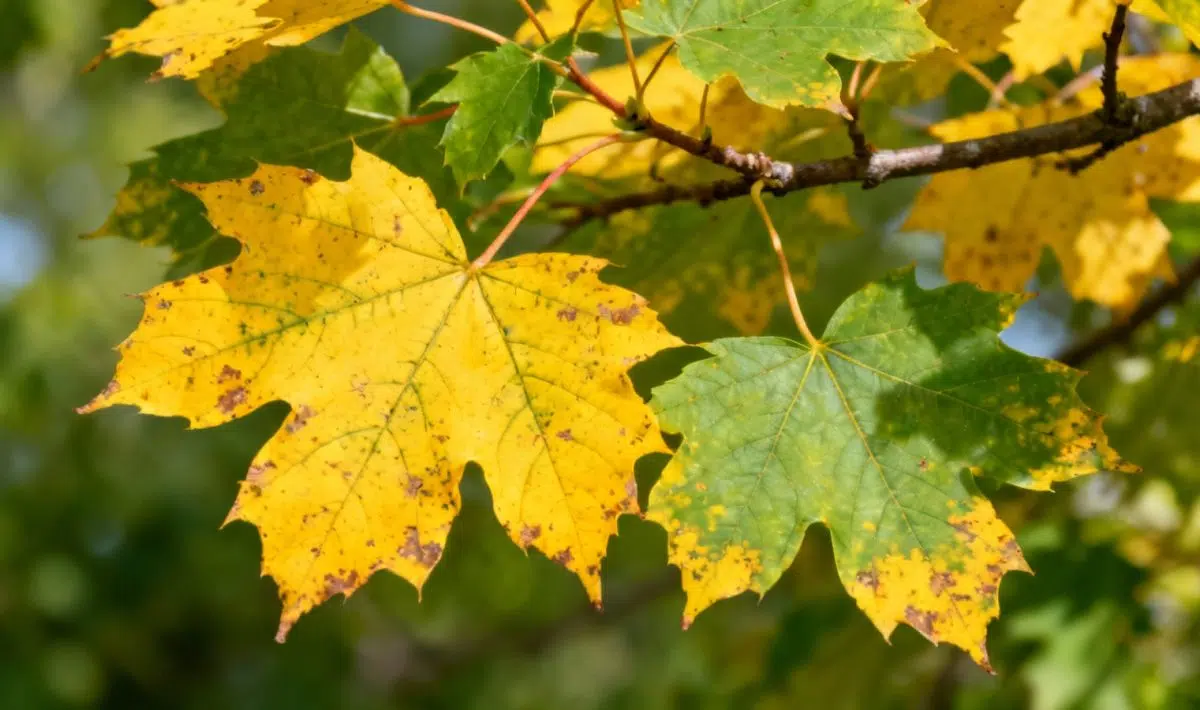
Why are my silver maple leaves turning yellow – causes and solutions
If you’ve noticed your silver maple leaves turning yellow, you’re not alone in this concern. This common issue affects many homeowners who have these beautiful trees gracing their landscapes. Silver maples are known for their stunning foliage and rapid growth, but yellowing leaves can signal various underlying problems that need attention.
Silver maples (Acer saccharinum) are native to North America and are particularly popular throughout Canada and the northern United States. These magnificent trees can grow up to 100 feet tall and are prized for their distinctive leaves that shimmer silver-white on the undersides. The species is known for its adaptability to different soil conditions, but this doesn’t make it immune to various stressors that can cause leaf discoloration.
The leaves of a silver maple are deeply lobed with five distinct sections, and their edges are serrated. When healthy, these leaves display a vibrant green color on top with that characteristic silvery-white underside that gives the tree its name. However, when environmental or health issues arise, the leaves often show the first signs of distress through color changes.
✅ Quick Checklist
Is the soil too wet or too dry?
Is the plant getting 6+ hours of sunlight daily?
Have you fertilized in the last 2 months?
Are there visible pests under the leaves?
Does the pot have adequate drainage?
🔥 FREE
📱
Diagnose your plant in one click!
AI instant diagnosis • Personalized solutions • 50,000+ species
Common nutrient deficiencies causing yellow leaves
One of the most frequent culprits behind yellowing silver maple leaves is nitrogen deficiency. This essential nutrient plays a crucial role in chlorophyll production, which gives leaves their green color. When trees don’t receive adequate nitrogen, the older leaves begin to yellow first as the tree redirects available nutrients to newer growth.
Iron deficiency can also cause yellowing, but it typically affects younger leaves first and often results in a condition called chlorosis. The leaf veins remain green while the areas between them turn yellow. This pattern is quite distinctive and helps differentiate iron deficiency from other issues.
Magnesium deficiency presents similarly to iron issues but usually starts with older leaves. The yellowing begins at the leaf edges and progresses inward, creating a distinctive pattern that experienced gardeners learn to recognize quickly.
Environmental factors affecting leaf color
Drought stress is a major environmental factor that can cause silver maple leaves to turn yellow. These trees need consistent moisture, especially during hot summer months. When soil becomes too dry, the tree begins to shut down non-essential functions, starting with maintaining full leaf color and eventually leading to premature leaf drop.
Conversely, overwatering can also cause yellowing leaves. Silver maples prefer well-draining soil, and when roots sit in waterlogged conditions, they can’t absorb nutrients properly. This leads to root rot and subsequent yellowing of the foliage. The key is finding the right balance of moisture for optimal tree health.
Soil pH plays a significant role in nutrient availability. Silver maples thrive in slightly acidic to neutral soil (pH 6.0-7.0). When soil becomes too alkaline or too acidic, certain nutrients become unavailable to the tree’s root system, regardless of how much fertilizer you apply.
Disease-related yellowing
Several diseases can cause yellow leaves in silver maples. Anthracnose is a fungal disease that often starts as small brown spots on leaves, which then develop yellow halos. This disease thrives in cool, wet spring weather and can be particularly problematic for maple species.
Verticillium wilt is another serious concern that can cause sudden yellowing and wilting of leaves on one or more branches. This soil-borne fungal disease affects the tree’s vascular system, preventing proper water and nutrient transport. Early detection is crucial for managing this condition effectively.
Just as reasons for yellowing Japanese maple leaves can vary significantly, silver maple leaf issues can stem from multiple sources that require different treatment approaches.
Pest-related problems
Various insects can stress silver maples enough to cause leaf yellowing. Aphids are particularly troublesome as they feed on leaf sap, weakening the tree and sometimes introducing viral diseases. Scale insects can also cause similar damage and are often harder to detect initially.
Spider mites thrive in hot, dry conditions and can cause stippled yellowing of leaves. These tiny pests are often overlooked until damage becomes severe, making regular inspection of your tree important for early intervention.
Root weevils and other soil-dwelling pests can damage the root system, indirectly causing leaf yellowing by reducing the tree’s ability to absorb water and nutrients from the soil.
✅ Quick Checklist
Is the soil too wet or too dry?
Is the plant getting 6+ hours of sunlight daily?
Have you fertilized in the last 2 months?
Are there visible pests under the leaves?
Does the pot have adequate drainage?
🔥 FREE
📱
Diagnose your plant in one click!
AI instant diagnosis • Personalized solutions • 50,000+ species
Proper watering is fundamental to preventing yellow leaves in silver maples. Water deeply but less frequently, allowing the soil to dry slightly between waterings. During summer months, provide approximately 1-2 inches of water per week, adjusting based on rainfall and temperature conditions.
Fertilization should be done carefully and at the right time. Apply a balanced fertilizer (such as 10-10-10) in early spring before new growth begins. Avoid over-fertilizing, which can actually stress the tree and make it more susceptible to diseases and pests.
If you’ve tried basic care adjustments and the yellowing persists or worsens, it’s time to consult a certified arborist. Professional tree care specialists can perform soil tests, identify specific diseases or pest problems, and recommend targeted treatments that aren’t available to homeowners.
Large mature silver maples represent significant investments in your landscape, and their health impacts not only your property’s appearance but also its value. Professional intervention can often save a tree that might otherwise be lost to untreated problems.
Remember that some seasonal yellowing is normal, especially in fall when deciduous trees naturally prepare for winter. However, yellowing that occurs during growing season or affects only certain areas of the tree usually indicates a problem that needs attention.
Allan is a lifelong gardening enthusiast who still gets excited when the first seedlings pop up in spring. With a deep love for nature and a hands-in-the-soil approach, he shares practical tips, plant discoveries, and clever tricks picked up over years of digging, planting, and observing. Whether you’re a new gardener or have a shed full of tools, Allan writes like a neighbor who’s always happy to swap cuttings and stories over the fence.
You can find more about Allan’s work on Malt or connect with him on LinkedIn.