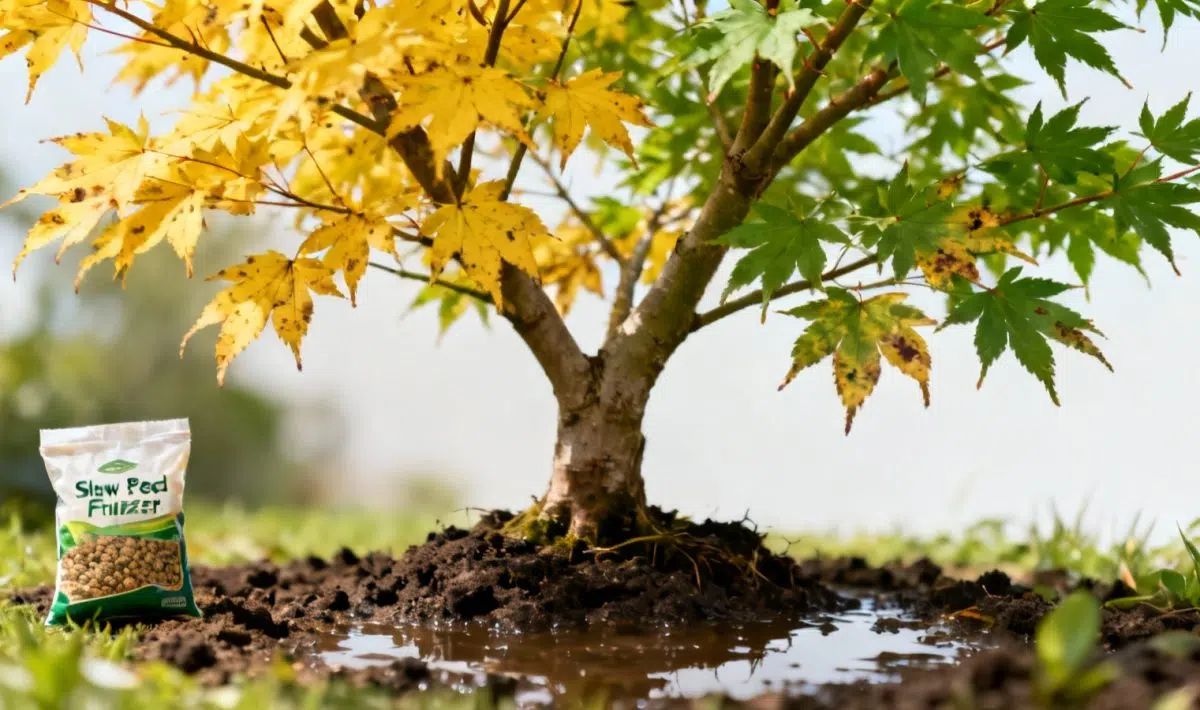
Why are my japanese maple leaves turning yellow – causes and solutions
If you’ve noticed your beautiful Japanese maple’s leaves turning yellow, you’re not alone in this gardening concern. These stunning trees are known for their vibrant foliage, but when that green canopy starts shifting to yellow unexpectedly, it’s time to investigate what’s happening beneath the surface.
Yellow leaves on Japanese maples can signal various issues, from simple seasonal changes to more serious care problems. Understanding the root cause will help you take the right action to restore your tree’s health and beauty.
Before diving into potential problems, it’s essential to understand how leaf color works in these magnificent trees. The green color in leaves comes from chlorophyll, which plays a crucial role in photosynthesis throughout the growing season.
During autumn, it’s completely normal for Japanese maples to display spectacular yellow, orange, and red colors as chlorophyll breaks down naturally. However, when yellowing occurs during spring or summer, this often indicates an underlying issue that needs attention.
Environmental factors like temperature fluctuations, light exposure, and humidity levels all influence how your tree’s foliage develops and maintains its color throughout the year.
✅ Quick Checklist
Is the soil too wet or too dry?
Is the plant getting 6+ hours of sunlight daily?
Have you fertilized in the last 2 months?
Are there visible pests under the leaves?
Does the pot have adequate drainage?
🔥 FREE
📱
Diagnose your plant in one click!
AI instant diagnosis • Personalized solutions • 50,000+ species
One of the most frequent culprits behind yellow maple leaves is improper watering. These trees prefer consistently moist but well-draining soil, and any deviation from this balance can trigger leaf yellowing.
Overwatering creates soggy conditions that prevent roots from accessing oxygen, leading to root rot and subsequent leaf discoloration. Conversely, underwatering stresses the tree, causing it to shed chlorophyll as a survival mechanism.
Check the soil moisture by inserting your finger about two inches deep. The soil should feel slightly damp but not waterlogged, especially if you’re growing your tree in a pot where drainage becomes even more critical.
Nutrient deficiencies affecting leaf health
Japanese maples require specific nutrients to maintain their vibrant foliage throughout the growing season. Nitrogen deficiency is particularly common and manifests as yellowing leaves that start from the bottom of the tree and work their way up.
Iron deficiency, often called iron chlorosis, causes yellowing between leaf veins while the veins themselves remain green. This condition frequently occurs in alkaline soils where iron becomes less available to the tree’s root system.
Magnesium deficiency also creates yellowing patterns, typically affecting older leaves first and causing yellowing around the leaf edges while the center remains green.
Disease and pest-related issues
Several diseases can cause yellowing in Japanese maple leaves, with fungal infections being particularly problematic during humid conditions. Verticillium wilt, for example, causes progressive yellowing and browning of leaves, often affecting one side of the tree first.
Pest infestations can also trigger leaf yellowing as insects feed on plant juices or transmit diseases. Aphids, scale insects, and spider mites are common culprits that weaken the tree and affect its ability to maintain healthy green foliage.
Similar leaf yellowing issues affect other plants as well, such as the reasons for yellowing honeysuckle leaves, which often share comparable underlying causes with Japanese maples.
Solutions for restoring healthy foliage
Optimizing watering practices
Establish a consistent watering schedule that maintains soil moisture without creating waterlogged conditions. Water deeply but less frequently, allowing the top inch of soil to dry between watering sessions.
For trees planted in containers, ensure adequate drainage holes and consider using a moisture meter to monitor soil conditions more precisely. During hot summer months, you may need to water more frequently, especially for trees in full sun exposure.
Apply a 2-3 inch layer of organic mulch around the base of your tree to help retain moisture and regulate soil temperature throughout the growing season.
Addressing nutritional needs
Feed your Japanese maple with a balanced, slow-release fertilizer specifically formulated for acid-loving plants. Apply fertilizer in early spring before new growth begins, following package instructions for the appropriate amount based on your tree’s size.
For iron deficiency, consider using chelated iron supplements or adjusting soil pH to make existing iron more available. Test your soil pH annually, as Japanese maples prefer slightly acidic conditions between 5.5 and 6.5.
Organic options like compost or well-aged manure can provide gentle, long-term nutrition while improving soil structure and moisture retention capabilities.
✅ Quick Checklist
Is the soil too wet or too dry?
Is the plant getting 6+ hours of sunlight daily?
Have you fertilized in the last 2 months?
Are there visible pests under the leaves?
Does the pot have adequate drainage?
🔥 FREE
📱
Diagnose your plant in one click!
AI instant diagnosis • Personalized solutions • 50,000+ species
Regular inspection of your tree’s leaves, branches, and trunk helps identify problems early when they’re easier to treat. Look for signs of insect activity, fungal growth, or unusual discoloration patterns that might indicate disease.
For fungal issues, improve air circulation around your tree by pruning overcrowded branches and avoiding overhead watering that keeps foliage wet for extended periods. Apply fungicides only when necessary, following all label instructions carefully.
Natural pest control methods like introducing beneficial insects or using horticultural oils can effectively manage many common pests without harsh chemicals. Remove and dispose of any heavily infested or diseased plant material to prevent spread.
Interestingly, leaf yellowing affects many fruit trees as well, and you can find helpful information about solutions for yellow pomegranate leaves which often involve similar care adjustments.
Prevention and long-term care
Maintaining healthy Japanese maples requires consistent attention to their basic needs throughout the year. Choose an appropriate planting location that provides morning sun and afternoon shade, protecting the tree from scorching heat while ensuring adequate light for photosynthesis.
Regular soil testing helps you monitor pH levels and nutrient availability, allowing you to make adjustments before deficiencies become visible in the foliage. Most Japanese maples benefit from annual soil amendments to maintain optimal growing conditions.
Proper pruning during dormancy removes dead, diseased, or crossing branches while maintaining the tree’s natural form. This practice improves air circulation and reduces the risk of fungal infections that can cause leaf yellowing.
With attentive care and prompt response to early warning signs, your Japanese maple can recover from yellowing episodes and continue providing years of spectacular seasonal beauty in your garden.
Allan is a lifelong gardening enthusiast who still gets excited when the first seedlings pop up in spring. With a deep love for nature and a hands-in-the-soil approach, he shares practical tips, plant discoveries, and clever tricks picked up over years of digging, planting, and observing. Whether you’re a new gardener or have a shed full of tools, Allan writes like a neighbor who’s always happy to swap cuttings and stories over the fence.
You can find more about Allan’s work on Malt or connect with him on LinkedIn.