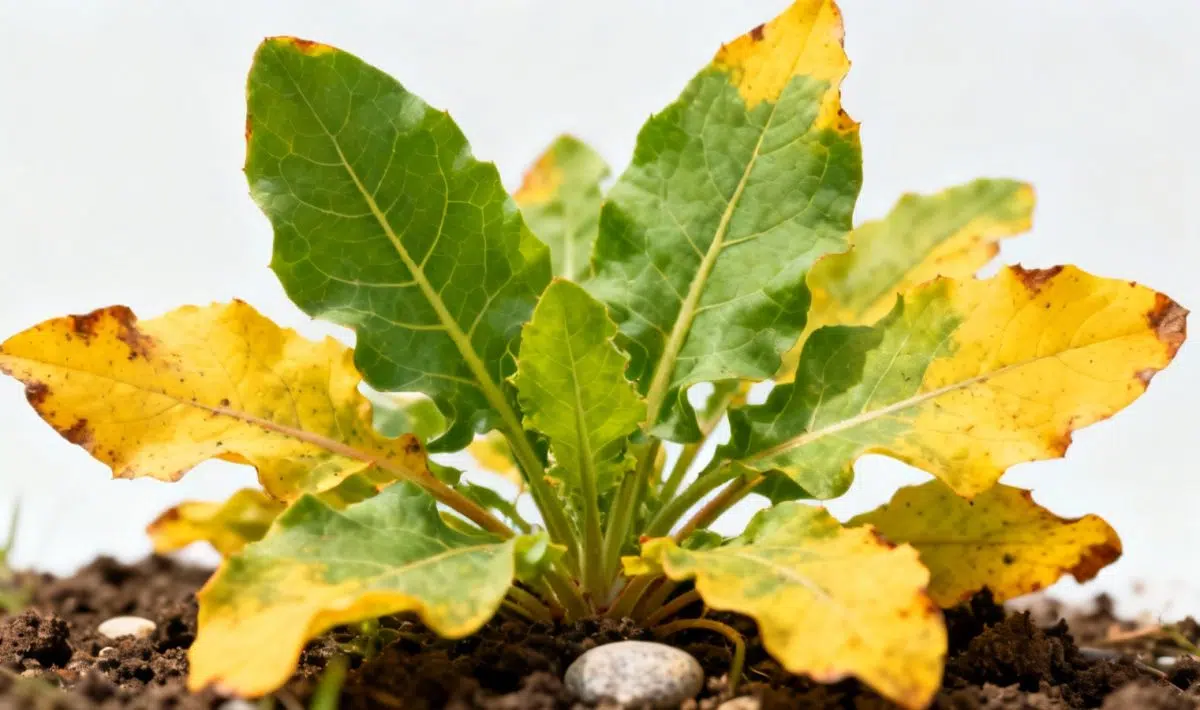
Why are my bitter dock leaves turning yellow – quick solutions
If you’ve noticed your bitter dock leaves starting to turn yellow, you’re not alone in this frustrating gardening challenge. Yellow leaves are often your plant’s way of sending a distress signal, and understanding the message can make all the difference between a thriving herb and a struggling one. The good news is that most causes of yellowing leaves are completely fixable with the right approach.
Bitter dock, also known as yellow dock, is generally a hardy plant, but like all living things, it has specific needs that must be met. When these needs aren’t fulfilled, the first sign of trouble usually appears as yellowing foliage. Let’s dive into the most common reasons why your bitter dock leaves are turning yellow and what you can do about it.
Most gardeners don’t realize that both overwatering and underwatering can cause yellow leaves, but they create different patterns. When you water too frequently, the roots become waterlogged and can’t absorb nutrients properly. This leads to yellowing that typically starts from the bottom of the plant and works its way up.
On the flip side, when your bitter dock doesn’t get enough water, the leaves will turn yellow and become crispy around the edges. The plant essentially shuts down non-essential functions to conserve what little moisture it has. You can tell the difference by checking the soil – if it’s constantly soggy, you’re overwatering; if it’s bone dry several inches down, you need to water more frequently.
✅ Quick Checklist
Is the soil too wet or too dry?
Is the plant getting 6+ hours of sunlight daily?
Have you fertilized in the last 2 months?
Are there visible pests under the leaves?
Does the pot have adequate drainage?
🔥 FREE
📱
Diagnose your plant in one click!
AI instant diagnosis • Personalized solutions • 50,000+ species
Yellow dock plants are surprisingly hungry for nutrients, especially iron and nitrogen. When they don’t get what they need, the older leaves turn yellow first while the new growth stays green. This is because the plant moves nutrients from older leaves to support new growth.
Iron deficiency is particularly common and causes a specific type of yellowing called chlorosis, where the leaf veins stay green but the areas between them turn yellow. Nitrogen deficiency, on the other hand, causes a more uniform yellowing that starts with the oldest leaves. Both problems are easily fixed with the right fertilizer or soil amendments.
Light conditions matter more than you think
Bitter dock plants are pretty adaptable when it comes to light, but they do have their limits. Too little light causes the plant to stretch and become leggy, with yellowing leaves that eventually drop off. The plant is essentially trying to conserve energy by shedding what it can’t properly maintain.
Interestingly, too much direct sunlight can also cause yellowing, especially during the hottest part of the day. The leaves may turn yellow and develop brown, crispy edges as a sunburn response. If you’re growing your dock in containers, you have the advantage of being able to move them to find that sweet spot of bright but not scorching light.
Environmental factors affecting leaf color
Temperature stress creates yellow leaves
Bitter dock is generally cold-hardy, but sudden temperature changes can shock the plant into dropping yellow leaves. This is particularly common in spring when you might be eager to move container plants outside, only to have them face an unexpected cold snap.
Similarly, extreme heat can cause yellowing as the plant tries to reduce its surface area to minimize water loss. The yellowing from heat stress often comes with wilting, even when the soil is adequately moist. This is different from drought stress and requires shade or cooling rather than more water.
Soil quality impacts everything
Poor drainage is one of the biggest killers of bitter dock plants, and yellowing leaves are often the first warning sign. When soil doesn’t drain properly, it becomes anaerobic, meaning there’s no oxygen for the roots. Without oxygen, roots can’t function properly, leading to nutrient uptake problems and eventually root rot.
Soil pH also plays a crucial role in nutrient availability. Bitter dock prefers slightly acidic to neutral soil (pH 6.0-7.0). When the pH is too high or too low, certain nutrients become locked in the soil where the plant can’t access them, even if those nutrients are physically present. Just like with reasons for yellowing honeysuckle leaves, pH imbalances can create mysterious yellowing patterns.
How to fix yellowing bitter dock leaves
Adjust your watering routine
The key to proper watering is consistency and observation. Check the soil moisture by sticking your finger about 2 inches into the soil near the plant. If it feels dry at that depth, it’s time to water. When you do water, do it thoroughly so water runs out the drainage holes, then don’t water again until the top inch of soil is dry.
For outdoor plants, a good rule of thumb is to water deeply once or twice a week rather than light, frequent watering. This encourages deep root growth and makes your plant more resilient. During hot weather, you might need to water more frequently, but always check the soil first rather than watering on a strict schedule.
Feed your plant properly
A balanced, slow-release fertilizer applied in spring is usually all your bitter dock needs for the growing season. Look for something with an NPK ratio like 10-10-10 or 14-14-14. If you suspect iron deficiency, you can add iron chelate to the soil or use a fertilizer specifically formulated for plants prone to chlorosis.
Organic options work wonderfully too – compost worked into the soil provides slow-release nutrients and improves soil structure. Fish emulsion fertilizer is another great choice that provides quick nutrition without the risk of burning the roots. Similar issues can affect other plants, as seen with causes of yellowing pomegranate leaves, where nutrient management is equally important.
✅ Quick Checklist
Is the soil too wet or too dry?
Is the plant getting 6+ hours of sunlight daily?
Have you fertilized in the last 2 months?
Are there visible pests under the leaves?
Does the pot have adequate drainage?
🔥 FREE
📱
Diagnose your plant in one click!
AI instant diagnosis • Personalized solutions • 50,000+ species
If your bitter dock is in a container, make sure it has drainage holes and use a potting mix that drains well but still retains some moisture. A mix of potting soil, compost, and perlite works great. For plants in the ground, you might need to amend heavy clay soil with organic matter to improve drainage.
Location matters too. Bitter dock thrives in morning sun with some afternoon shade, especially in hot climates. If you notice yellowing during the hottest part of summer, consider providing some temporary shade cloth or moving container plants to a spot that gets bright but indirect light during peak heat hours.
Prevention is better than cure
Once you’ve addressed the immediate cause of yellowing, focus on preventing future problems. Remove any yellow or damaged leaves promptly – they’re not going to recover and they drain energy from the rest of the plant. Keep an eye on new growth, which should be a healthy green color if your fixes are working.
Regular monitoring is key to catching problems early. Check your plants weekly for signs of stress, including changes in leaf color, wilting, or unusual growth patterns. The earlier you catch and address problems, the easier they are to fix and the less impact they’ll have on your plant’s overall health.
Remember that some yellowing of the oldest leaves is completely normal, especially as plants mature or enter dormancy. The key is distinguishing between natural aging and stress-induced yellowing. Natural yellowing affects just a few of the oldest leaves and happens gradually, while stress-induced yellowing affects multiple leaves or spreads quickly through the plant.
Allan is a lifelong gardening enthusiast who still gets excited when the first seedlings pop up in spring. With a deep love for nature and a hands-in-the-soil approach, he shares practical tips, plant discoveries, and clever tricks picked up over years of digging, planting, and observing. Whether you’re a new gardener or have a shed full of tools, Allan writes like a neighbor who’s always happy to swap cuttings and stories over the fence.
You can find more about Allan’s work on Malt or connect with him on LinkedIn.