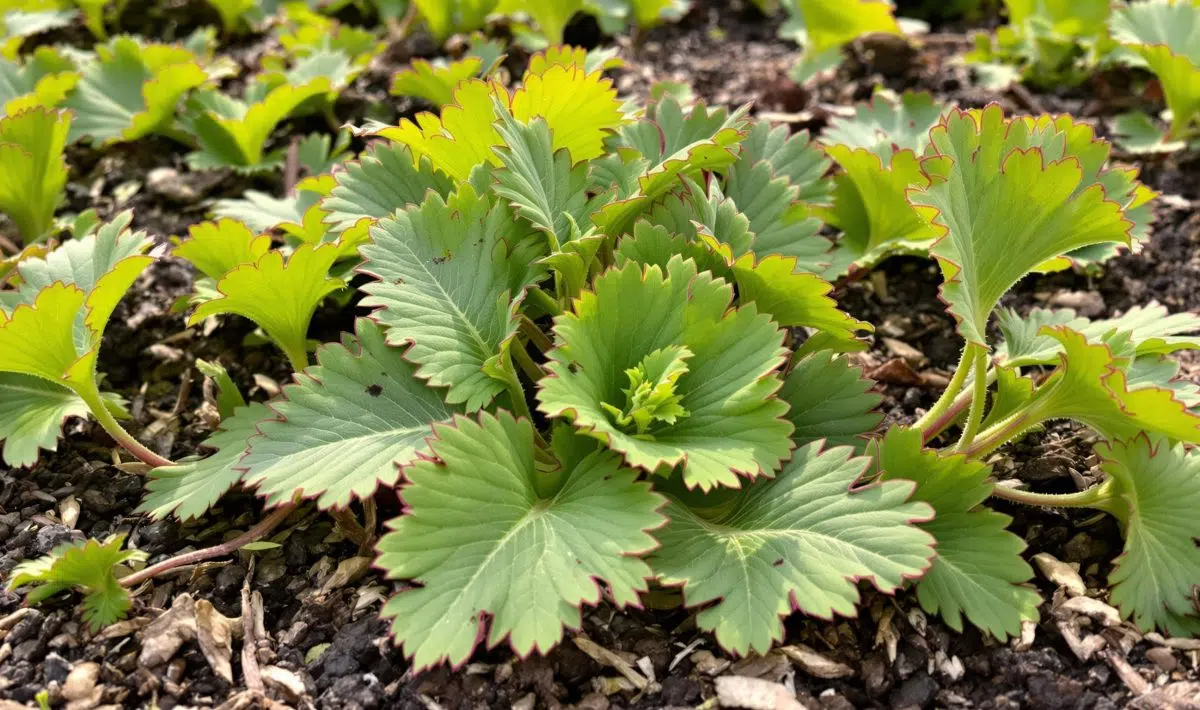
Curly dock – Rumex crispus: care, characteristics, culture, propagation
Curly dock, known scientifically as Rumex crispus, is a perennial plant that often sparks mixed feelings among gardeners and farmers. While some consider it a persistent weed, others appreciate its remarkable adaptability and unique characteristics. This hardy plant can reach impressive heights of 1.5 to 1.8 meters and produces an astounding 40,000 seeds annually, making it one of nature’s most prolific reproducers.
The distinctive appearance of Rumex crispus makes it easily recognizable in the field. Its feuilles display a characteristic wavy or curled edge, giving the plant its common name. These lancéolate leaves form a basal rosette early in the growing season, while the mature plant develops a tall, unbranched stem that can tower over surrounding vegetation.
The root system of curly dock deserves particular attention for anyone interested in its culture. Deep taproot can extend several feet into the sol, allowing the plant to access moisture and nutrients unavailable to shallow-rooted espèces. This extensive racine system contributes significantly to the plant’s persistence and ability to survive adverse conditions.
Seeds production represents one of the most remarkable aspects of this plant. The graines develop in dense clusters along the upper portion of the stem, creating an impressive display from summer through fall. Each individual plant can produce thousands of viable semences that remain dormant in the sol for decades.
Optimal growing conditions for rumex crispus
Creating suitable conditions for curly dock cultivation requires understanding its natural preferences. The plant thrives in deep, well-drained sols with consistent moisture availability. While it tolerates various soil types, it performs best in slightly acidic to neutral conditions with adequate organic matter content.
Sunlight requirements are fairly flexible, as curly dock adapts well to both full sun and partial shade locations. However, plants grown in full sun typically develop more robust stems and produce higher quantities of graines. The stade of soil preparation plays a crucial role in successful establishment, particularly when managing this plant in agricultural systèmes.
Water management becomes essential during the early stages of growth. While mature plants show remarkable drought tolerance due to their deep racines, young seedlings require consistent moisture for proper establishment. Much like tips for garlic mustard care, maintaining proper soil moisture during germination significantly improves success rates.
Propagation methods and techniques
The multiplication of Rumex crispus occurs primarily through seed propagation, though understanding the timing and techniques involved ensures better results. Semis should be planned for early printemps when soil temperatures reach optimal levels for germination. The profondeur of seed placement affects germination rates, with shallow planting typically producing better results.
Direct seeding represents the most common approach for establishing new stands. Seeds require minimal soil couvert, approximately 1/4 inch deep, and benefit from firm soil contact. The date of planting influences subsequent growth patterns, with early spring sowings generally outperforming later plantings.
Managing the semencier stock requires careful attention to seed viability and storage conditions. Fresh graines typically show higher germination rates compared to older stock. Proper storage in cool, dry conditions helps maintain seed quality over extended periods, similar to techniques used in professional agriculture settings.
Seed collection and processing
Harvesting semences at the correct stage ensures maximum viability for future propagation efforts. The optimal collection period occurs when seeds have developed their characteristic brown color but before natural dispersal begins. This timing usually coincides with late summer or early fall, depending on local growing conditions.
Processing collected seeds involves removing chaff and debris while preserving seed integrity. Gentle cleaning methods work best, as aggressive handling can damage the seed coat and reduce germination potential. Proper drying before storage prevents mold development and extends seed life.
Cultural practices and maintenance
Successful culture of curly dock requires understanding its growth habits and seasonal patterns. The plant follows a predictable cycle, with rosette formation in early spring followed by rapid stem elongation during warmer months. This growth pattern influences timing for various cultural practices and management decisions.
Soil fertility management supports healthy plant development throughout the growing season. While Rumex crispus tolerates poor soils, providing adequate nutrition enhances overall plant vigor and seed production. Balanced fertilization approaches work best, avoiding excessive nitrogen that might promote vegetative growth at the expense of reproductive development.
Weed competition can impact young curly dock plants, making early-season désherbage beneficial in cultivation settings. However, mature plants typically outcompete most other espèces due to their size advantage and extensive root systems. For gardeners interested in managing similar challenges, care instructions for Japanese pieris offer valuable insights into perennial plant management.
Seasonal care requirements
Spring management focuses on supporting new growth as plants emerge from winter dormancy. This période represents the optimal time for soil preparation and any necessary cultivation activities. The presence of young levées indicates successful overwintering and signals the beginning of the active growing season.
Summer care emphasizes moisture management and monitoring for potential stress factors. While established plants require minimal intervention, ensuring adequate water during extended dry periods supports continued growth and development. Regular observation helps identify any issues before they become problematic.
Managing curly dock in different systems
Integration of Rumex crispus into various agricultural and gardening systèmes requires careful planning and consideration of its growth characteristics. In prairies and pasture settings, the plant can provide valuable forage when managed appropriately, though livestock should be monitored for potential toxicity issues with excessive consumption.
Rotation strategies in crop production must account for the persistent nature of curly dock seeds in the soil. The plant’s ability to regenerate from the stock semencier means that management decisions made today can influence parcelles for many years to come. Understanding this long-term impact helps inform sustainable production practices.
For those working with challenging growing conditions, techniques similar to learn about Dieffenbachia seguine care can provide inspiration for adapting care methods to specific environmental constraints.
Control and management strategies
When curly dock becomes problematic rather than beneficial, effective management requires understanding its biology and growth patterns. The timing of intervention significantly affects efficacy, with actions taken during specific growth stages producing better results than random applications.
Mechanical control methods can be effective when properly timed and executed. The deep racine system requires complete removal to prevent regrowth, making this approach labor-intensive but potentially successful. Tools designed for deep-rooted plants work best for this type of désherbage operation.
Biological control through grazing management offers another approach in appropriate settings. Some livestock species can help manage curly dock populations when grazing pressure is properly controlled and timed. However, this requires careful monitoring to prevent overgrazing of desirable espèces.
Harvesting and utilization
The versatility of curly dock extends beyond ornamental or ecological value to include practical applications in various cultures. Young feuilles can be harvested for culinary use, though proper preparation is essential to ensure palatability and safety. The timing of harvest affects both flavor and nutritional content.
Seed collection for propagation or other uses requires attention to maturity indicators and collection techniques. The fréquente monitoring during the harvest window ensures optimal seed quality and prevents losses due to natural dispersal. Much like techniques used in guidelines for common persimmon care, timing proves crucial for successful harvesting.
Processing harvested materials appropriately extends their useful life and maintains quality. Whether collecting seeds for future planting or preparing plant parts for other uses, proper handling and storage techniques ensure maximum value from the harvest effort.
Future considerations and sustainability
Long-term management of curly dock populations requires thinking beyond immediate needs to consider future implications. The plant’s remarkable seed persistance means that decisions made today will influence management requirements for decades to come. This long-term perspective helps inform sustainable approaches to working with this resilient species.
Climate change considerations may affect future distribution and management strategies for Rumex crispus. The plant’s adaptability suggests it will likely persist and potentially expand its range under changing conditions, making understanding its biology increasingly important for land managers and gardeners alike.
Research continues to reveal new applications and management techniques for curly dock, much like ongoing discoveries in plant care exemplified by essential care for golden pothos. Staying informed about these developments helps optimize management decisions and maximize benefits from this remarkable plant.
Whether viewed as a valuable addition to the landscape or a challenging management issue, curly dock represents a fascinating example of plant adaptation and persistence. Understanding its characteristics, culture requirements, and propagation methods provides the foundation for successful interaction with this remarkable species in whatever context it appears.
Allan is a lifelong gardening enthusiast who still gets excited when the first seedlings pop up in spring. With a deep love for nature and a hands-in-the-soil approach, he shares practical tips, plant discoveries, and clever tricks picked up over years of digging, planting, and observing. Whether you’re a new gardener or have a shed full of tools, Allan writes like a neighbor who’s always happy to swap cuttings and stories over the fence.
You can find more about Allan’s work on Malt or connect with him on LinkedIn.