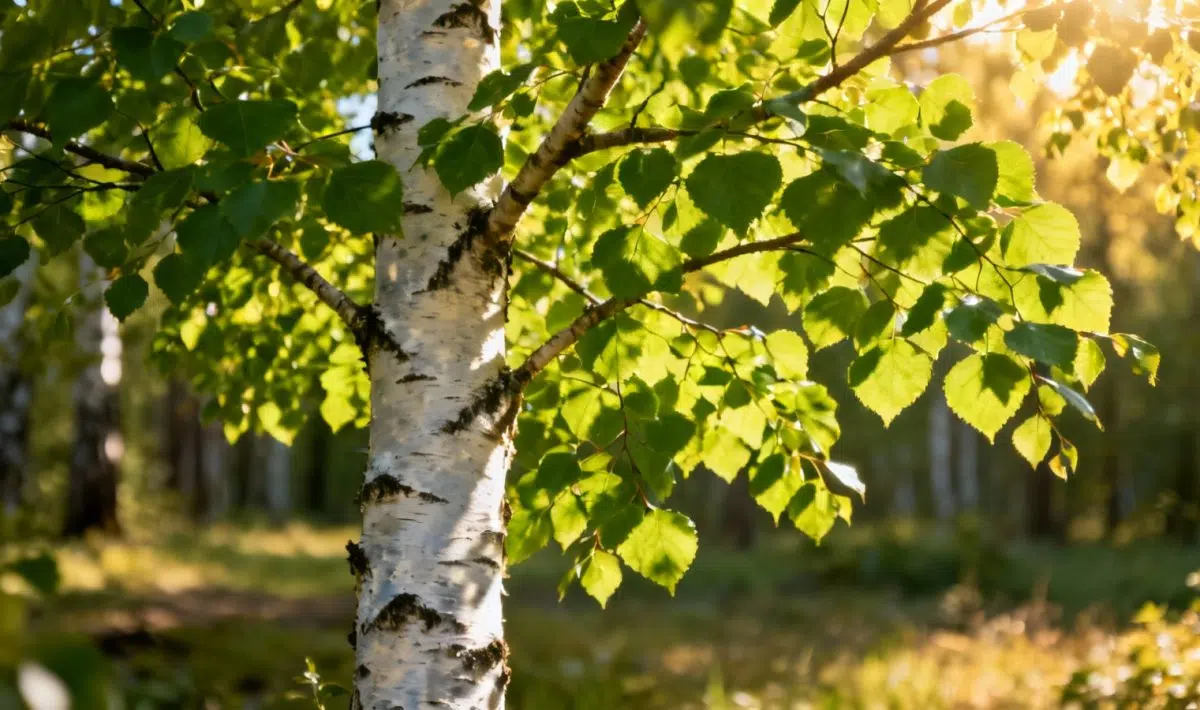
The silver birch (Betula pendula) is well-known for being a light-demanding tree species that thrives with plenty of sunshine. These beautiful trees are classified as pioneer species, which means they naturally colonize open areas with abundant sunlight. When you’re considering adding this wonderful tree to your garden, understanding its light needs is essential for successful cultivation.
Silver birch trees require at least 6 hours of direct sunlight daily to maintain optimal growth and health. This sun-loving species performs best in full sun conditions, though it can tolerate partial shade when young. The tree’s silvery bark and delicate leaves make it a perfect addition to any outdoor space when given proper light exposure.
Botanical characteristics of Betula pendula
The silver birch features distinctive white bark with black markings that create stunning winter interest in your garden. This fast-growing tree can reach heights of 30-40 feet within just a few decades when provided with adequate sunlight. The pendulous branches give the tree its graceful weeping appearance, while the small serrated leaves flutter beautifully in the breeze.
These trees are naturally adapted to open woodlands and clearings, which explains their high light requirements. Just like understanding sunlight requirements for radish plants, knowing the specific needs of each species helps ensure successful growing outcomes. The silver birch has evolved to compete for light in forest environments, making it particularly well-suited for sunny garden locations.
Optimal growing conditions and placement
When selecting a location for your silver birch, choose the sunniest spot available in your garden. These trees will struggle in deep shade and may develop weak, spindly growth if they don’t receive enough light. Morning sun is particularly beneficial, as it helps dry dew from the leaves and reduces the risk of fungal diseases.
The recommended light intensity for optimal growth is approximately 110 µmol m⁻² s⁻¹ of photosynthetically active radiation. While this technical measurement might seem complex, it translates to bright, direct sunlight for most of the day. Similar to how optimal sunlight for selloum growth requires specific conditions, silver birch needs consistent sun exposure throughout the growing season.
Comparing silver birch with other tree species
Silver birch ranks among the most light-demanding trees you can grow in temperate gardens. Unlike shade-tolerant species such as beech or maple, birch trees won’t thrive under canopy cover. This characteristic makes them excellent choices for open lawns, park settings, or as standalone specimen trees.
The tree’s pioneer nature means it establishes quickly in disturbed soil with good drainage. However, this rapid growth rate depends heavily on adequate sunlight availability. Understanding these requirements is as important as knowing sunlight needs of Jimsonweed when planning your garden layout.
Seasonal sunlight considerations
During winter months, silver birch trees benefit from maximum available daylight even though they’re dormant. The bare branches allow more light to penetrate, which helps prepare the tree for spring growth. Research shows that birch trees respond well to a photoperiod of 16 hours light and 8 hours darkness during active growing seasons.
Spring emergence is particularly dependent on accumulated light exposure. Trees that receive insufficient winter and early spring sun may leaf out later and show reduced vigor. This timing is crucial for the tree’s annual growth cycle and overall health.
Planting and establishment tips
When planting your silver birch, ensure the location receives morning sun and continues getting direct light throughout most of the day. Avoid areas that are shaded by buildings, fences, or larger trees, especially during the critical morning hours. Young birch trees are somewhat more tolerant of partial shade but will establish more quickly with full sun exposure.
Proper soil drainage is equally important as sunlight. Just as ideal sunlight for growing rutabaga requires well-draining conditions, silver birch needs soil that doesn’t retain excess water. Plant your tree in spring or fall when temperatures are moderate and rainfall is typically more consistent.
Care and maintenance for optimal sun exposure
Regular pruning helps maintain good light penetration throughout the tree canopy. Remove any dead, damaged, or crossing branches during late winter or early spring. This practice ensures that all parts of the tree receive adequate sunlight and promotes healthy air circulation.
Avoid planting competing vegetation too close to young birch trees, as this can create unwanted shade and competition for resources. Keep a clear area of at least 6 feet around the trunk for the first several years. Understanding plant spacing is as important as knowing sunlight essentials for cultivating oregano when creating a thriving garden ecosystem.
Signs of insufficient sunlight
Silver birch trees that aren’t receiving enough light will show several warning signs. Look for sparse foliage, elongated weak branches reaching toward light sources, and reduced autumn color. The characteristic white bark may also appear dull or develop more black markings than normal.
Poor light conditions can make trees more susceptible to pests and diseases. Weak growth attracts aphids and other insects, while reduced air circulation in shaded conditions promotes fungal problems. These issues can significantly impact the tree’s long-term health and appearance.
Benefits of proper sun exposure
When silver birch trees receive adequate sunlight, they reward you with vigorous growth, excellent autumn color, and strong structural development. Well-lit trees develop the classic graceful form that makes this species so desirable for landscaping. The leaves will be fuller and healthier, providing better shade and visual appeal.
Proper sunlight also enhances the tree’s natural pest resistance and winter hardiness. Strong, sun-grown trees are better equipped to withstand weather extremes and recover quickly from any seasonal stress. This resilience makes them a wonderful long-term investment for your garden.
Conclusion and growing recommendations
Silver birch trees are truly sun-loving species that require at least 6 hours of direct sunlight daily for optimal growth. When you provide these light-demanding trees with full sun exposure, well-draining soil, and proper care, they’ll reward you with decades of beauty and grace. Remember that adequate sunlight is just as critical for tree health as it is for any other garden plant.
Whether you’re planting seeds or transplanting established trees, always choose the sunniest location available in your outdoor space. With proper sun exposure and basic maintenance, your silver birch will become a stunning focal point that enhances your garden’s beauty throughout all seasons.
Allan is a lifelong gardening enthusiast who still gets excited when the first seedlings pop up in spring. With a deep love for nature and a hands-in-the-soil approach, he shares practical tips, plant discoveries, and clever tricks picked up over years of digging, planting, and observing. Whether you’re a new gardener or have a shed full of tools, Allan writes like a neighbor who’s always happy to swap cuttings and stories over the fence.
You can find more about Allan’s work on Malt or connect with him on LinkedIn.