
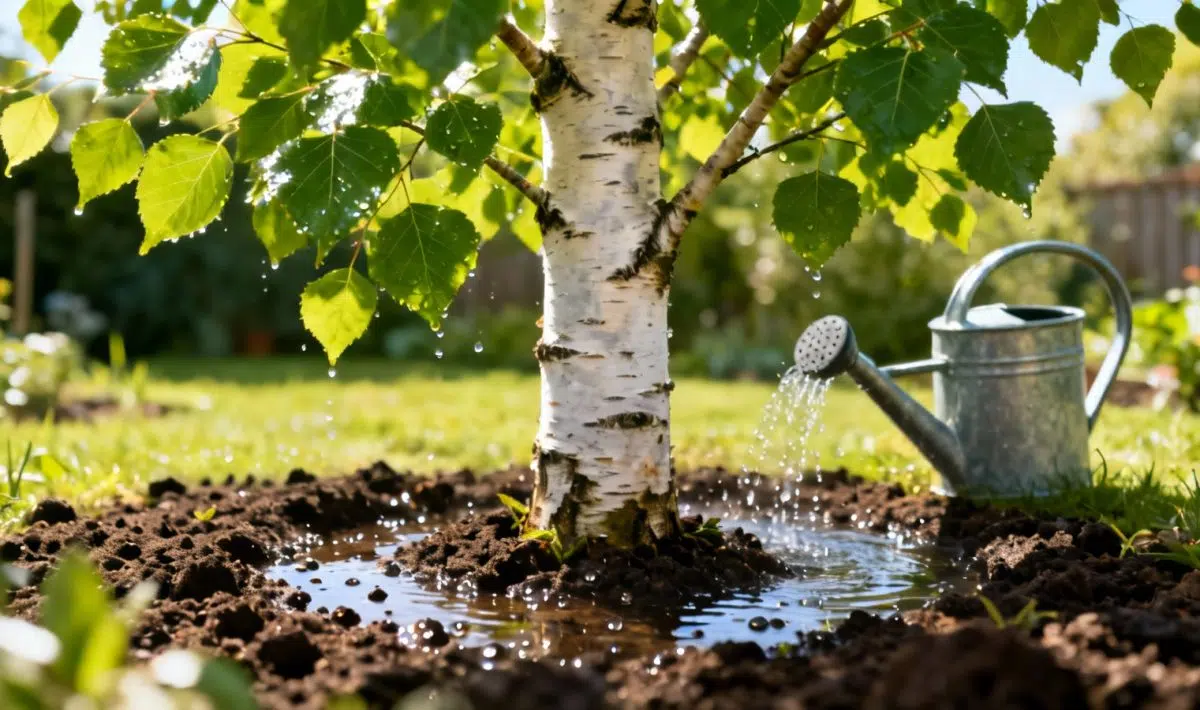
Growing a silver birch tree in your garden brings elegance and natural beauty to any landscape. However, understanding how often should you water your silver birch becomes crucial for maintaining this magnificent tree’s health and vitality. The silver birch, scientifically known as Betula pendula, requires careful attention to its watering needs, especially during its establishment period.
Understanding silver birch watering needs
The silver birch is naturally adapted to various soil conditions, but proper hydration remains essential for optimal growth. These beautiful trees develop extensive root systems that can access water from deep soil layers once established. During the first few years after planting, however, your silver birch depends entirely on surface irrigation to survive and thrive.
Young silver birch trees require consistent moisture without becoming waterlogged. The key lies in providing deep, thorough watering sessions rather than frequent shallow applications. This approach encourages the roots to grow downward, creating a more resilient tree that can better withstand drought conditions in later years.
Just as different plants have varying water requirements, understanding your specific tree’s needs helps ensure success. For example, learning how to water pomegranates effectively demonstrates how each species has unique hydration patterns that must be respected.
Seasonal watering schedule for silver birch
Spring represents the most critical time for watering your silver birch, as new growth begins and energy demands increase significantly. Water your tree deeply once or twice per week during this active growing season. Each watering session should provide approximately 10-15 gallons for mature trees, ensuring the water penetrates at least 12-18 inches into the soil.
Summer watering requirements depend heavily on rainfall patterns and temperature fluctuations in your area. During hot, dry periods, increase watering frequency to twice weekly for young trees. Established silver birches typically need supplemental watering only during extended drought periods lasting more than two weeks without significant rainfall.
Fall and winter present different challenges, as the tree enters dormancy and reduces its water consumption dramatically. Reduce watering to once every two weeks during autumn, and cease regular irrigation once freezing temperatures arrive consistently. However, continue monitoring soil moisture levels, as winter desiccation can damage silver birch trees in windy, dry conditions.
Proper watering techniques and timing
Early morning provides the ideal time for watering your silver birch, allowing the tree to absorb moisture throughout the day while minimizing evaporation losses. Avoid evening watering, which can promote fungal diseases and attract pests that thrive in moist nighttime conditions.
Create a watering basin around your tree’s drip line to concentrate water where feeder roots are most active. This technique prevents runoff and ensures maximum water absorption. Use a soaker hose or drip irrigation system for the most efficient water delivery, providing slow, steady moisture that penetrates deeply into the soil.
Check soil moisture by inserting a long screwdriver or soil probe 6-8 inches deep near the tree’s base. If the tool encounters resistance or the soil feels dry at this depth, it’s time to water. Similar attention to detail applies when caring for other garden plants, such as understanding optimal watering for scarlet stars to maintain healthy garden diversity.
Signs of water stress in silver birch trees
Recognizing early warning signs helps prevent serious damage from both under-watering and over-watering your silver birch. Drought stress typically manifests as yellowing leaves that drop prematurely, starting from the tree’s interior branches and progressing outward. The characteristic white bark may also appear dull or begin peeling excessively.
Over-watering presents different symptoms but proves equally dangerous to your tree’s health. Waterlogged soil creates anaerobic conditions that suffocate roots, leading to leaf wilting despite adequate soil moisture. Fungal infections often follow, causing dark spots on leaves and potentially fatal root rot.
Monitor your tree’s overall vigor by observing new growth patterns and leaf color throughout the growing season. Healthy silver birches produce bright green foliage with strong, upright growth. Any deviation from normal appearance warrants immediate attention to your watering practices.
Soil considerations and drainage requirements
Silver birch trees prefer well-draining soil that retains moderate moisture without becoming soggy. Heavy clay soils require amendment with organic matter to improve drainage, while sandy soils benefit from compost additions to increase water retention capacity.
Test your soil’s drainage by digging a hole 12 inches deep and filling it with water. If water remains after 24 hours, drainage improvement is necessary before planting your silver birch. Poor drainage kills more trees than drought conditions, making this assessment crucial for long-term success.
Consider the lessons learned from vegetable gardening, such as proper watering techniques for cabbage, which demonstrate how soil preparation affects watering efficiency across different plant types. The same principles apply to tree cultivation and long-term garden management.
Common watering mistakes to avoid
Many gardeners make the mistake of watering too frequently with small amounts, which encourages shallow root development and increases drought susceptibility. Instead, provide deep, infrequent watering sessions that encourage roots to grow downward toward more stable moisture sources.
Avoid watering directly against the tree trunk, which can promote bark diseases and pest infestations. Focus your efforts on the area beneath the canopy where active feeder roots are located. This zone typically extends from halfway between the trunk and drip line outward to slightly beyond the canopy edge.
Don’t rely solely on sprinkler systems designed for lawn irrigation, as these typically provide insufficient water penetration for tree roots. Trees require longer, slower watering sessions to achieve proper soil saturation at root depth. Understanding plant-specific needs, like knowing watering tips for mother of thousands, helps develop better overall garden care practices.
Mulching and water conservation
Apply a 2-4 inch layer of organic mulch around your silver birch to conserve soil moisture and regulate soil temperature. Keep mulch at least 6 inches away from the trunk to prevent pest problems and bark diseases. Good mulch options include shredded hardwood, pine needles, or composted leaves.
Mulching reduces watering frequency requirements by up to 50% during summer months while providing additional benefits like weed suppression and soil improvement. Replace organic mulches annually to maintain effectiveness and prevent compaction that can impede water infiltration.
Consider installing a rain gauge to track natural precipitation and adjust your supplemental watering accordingly. This simple tool helps prevent over-watering during rainy periods while ensuring adequate moisture during dry spells. Consistent monitoring leads to healthier trees and more efficient water use throughout your garden.

Allan is a lifelong gardening enthusiast who still gets excited when the first seedlings pop up in spring. With a deep love for nature and a hands-in-the-soil approach, he shares practical tips, plant discoveries, and clever tricks picked up over years of digging, planting, and observing. Whether you’re a new gardener or have a shed full of tools, Allan writes like a neighbor who’s always happy to swap cuttings and stories over the fence.
You can find more about Allan’s work on Malt or connect with him on LinkedIn.


