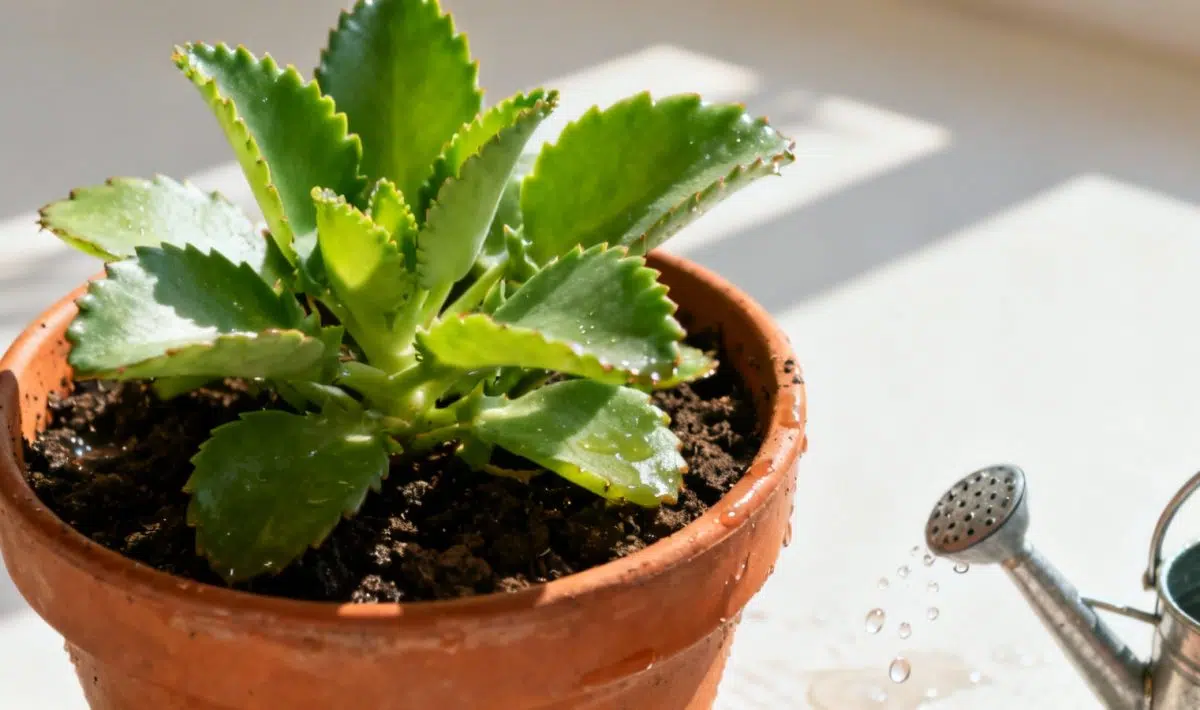
Understanding the water needs of Mother of Thousands
Today I’m excited to share everything you need to know about watering your Mother of Thousands, one of the most fascinating plants you can grow. This remarkable succulent, scientifically known as Kalanchoe daigremontiana or Bryophyllum pinnatum, has captured gardeners’ hearts with its unique ability to produce tiny plantlets along its leaf margins – hence the charming name “mère de milliers” or Mother of Thousands.
These incredible plants belong to the Kalanchoe family and originate from Madagascar’s arid regions. Understanding their natural habitat helps us create the perfect watering schedule for healthy growth. The key to success lies in mimicking their native environment where water comes in bursts followed by extended dry periods.
Natural adaptations that influence watering frequency
Mother of Thousands plants have evolved remarkable water storage capabilities in their thick, fleshy leaves. These adaptations allow them to survive extended drought periods, which means they’re naturally equipped to handle infrequent watering. However, this miracle plant can suffer from root rot if we water too frequently.
The plant’s pinnata-shaped leaves store significant amounts of eau, making overwatering one of the most common mistakes. When you observe your plant’s natural behavior, you’ll notice how the leaves remain plump and healthy even when the soil appears completely dry.
Recommended watering frequency for optimal growth
Indoor growing conditions
For plants grown indoors, I recommend checking the soil every 10 days but watering only every 2-3 weeks during the growing season. The “soak and dry” method works perfectly here – water thoroughly until you see drainage from the bottom holes, then wait for the top 2-3 inches of soil to dry completely before the next watering.
Indoor conditions typically retain moisture longer than outdoor settings, so patience is crucial. During winter months, extend the watering interval to 3-4 weeks as the plant enters dormancy. Much like watering pomegranates for healthy growth, these succulents need less frequent attention during cooler months.
Outdoor cultivation requirements
Outdoor Mother of Thousands plants generally need more frequent watering due to increased evaporation from wind and sun exposure. During summer, you might water every 10-14 days, while spring and autumn may require watering every 2-3 weeks. The quality of your drainage system becomes even more critical outdoors.
Hot summer conditions can accelerate water loss, especially for plants in containers. If temperatures consistently exceed 85°F, monitor your plant weekly and be prepared to water every 5-7 days. This frequency adjustment is similar to how optimal watering for scarlet-star plants requires seasonal modifications.
Seasonal watering adjustments and techniques
Spring and summer care
During the active growing season from March through September, your Mother of Thousands will show increased water uptake. This is when new plantlets develop rapidly, and the parent plant focuses its energy on growth. Maintain the 2-3 week schedule while monitoring soil moisture levels carefully.
The perfect watering technique involves deep, thorough soaking rather than frequent light sprinklings. Use room temperature water and pour slowly around the base, avoiding the leaves to prevent fungal issues. Well-draining soil is absolutely essential for healthy root development.
Autumn and winter modifications
As temperatures drop and daylight decreases, Mother of Thousands plants naturally slow their growth. Reduce watering frequency to every 3-4 weeks, or even monthly during the coldest months. The plant’s reduced metabolic activity means less water consumption, making patience your greatest ally.
Winter care requires extra attention to soil conditions. Cold, wet soil can quickly lead to root rot, so ensure your pot has excellent drainage. Just as cabbage watering tips for growth emphasize seasonal adjustments, your succulents benefit from this thoughtful approach.
Recognizing signs and troubleshooting watering issues
Identifying when your plant needs water
Learning to read your plant’s signals makes all the difference in successful cultivation. Healthy Mother of Thousands plants have firm, plump leaves with vibrant green coloration. When the plant needs water, the lower leaves may appear slightly wrinkled or feel less firm to the touch.
The finger test remains the most reliable method – insert your finger 2-3 inches into the soil. If it feels completely dry at this depth, it’s time to water. Lifting the pot can also help; a significantly lighter pot usually indicates dry soil throughout the root zone.
Common watering mistakes and solutions
Overwatering symptoms include yellowing leaves, soft spots, or a musty smell from the soil. If you notice these signs, immediately reduce watering frequency and improve drainage. Sometimes removing affected leaves and repotting in fresh, well-draining soil saves the plant.
Underwatering, while less common, shows as shriveled leaves and stunted growth of new plantlets. Gradually increase watering frequency rather than giving massive amounts at once. This balanced approach, similar to best practices for watering amaranth, helps establish healthy watering routines.
Additional care considerations for thriving plants
Soil and drainage requirements
The foundation of proper watering lies in using appropriate soil mix. A cactus and succulent potting mix provides the ideal balance of drainage and nutrition. You can enhance regular potting soil by adding perlite, coarse sand, or pumice to improve drainage capabilities.
Container selection plays a crucial role in watering success. Terra cotta pots allow excess moisture to evaporate through the walls, while plastic containers retain more humidity. Choose containers with multiple drainage holes regardless of material, and consider adding a drainage layer of gravel at the bottom.
Fertilization and growth support
During the growing season, a diluted succulent fertilizer applied monthly can support healthy development. However, avoid fertilizing during winter dormancy or when the soil is dry. The prix of quality fertilizer pays off in stronger, more resilient plants that better tolerate watering variations.
Remember that healthy Mother of Thousands plants naturally produce numerous plantlets that can be propagated easily. This année-round production of new plants makes proper watering even more rewarding as your garden expands with minimal effort. With consistent care and proper watering techniques, these remarkable plantes will thrive and provide endless joy through their fascinating reproductive displays.
Allan is a lifelong gardening enthusiast who still gets excited when the first seedlings pop up in spring. With a deep love for nature and a hands-in-the-soil approach, he shares practical tips, plant discoveries, and clever tricks picked up over years of digging, planting, and observing. Whether you’re a new gardener or have a shed full of tools, Allan writes like a neighbor who’s always happy to swap cuttings and stories over the fence.
You can find more about Allan’s work on Malt or connect with him on LinkedIn.