
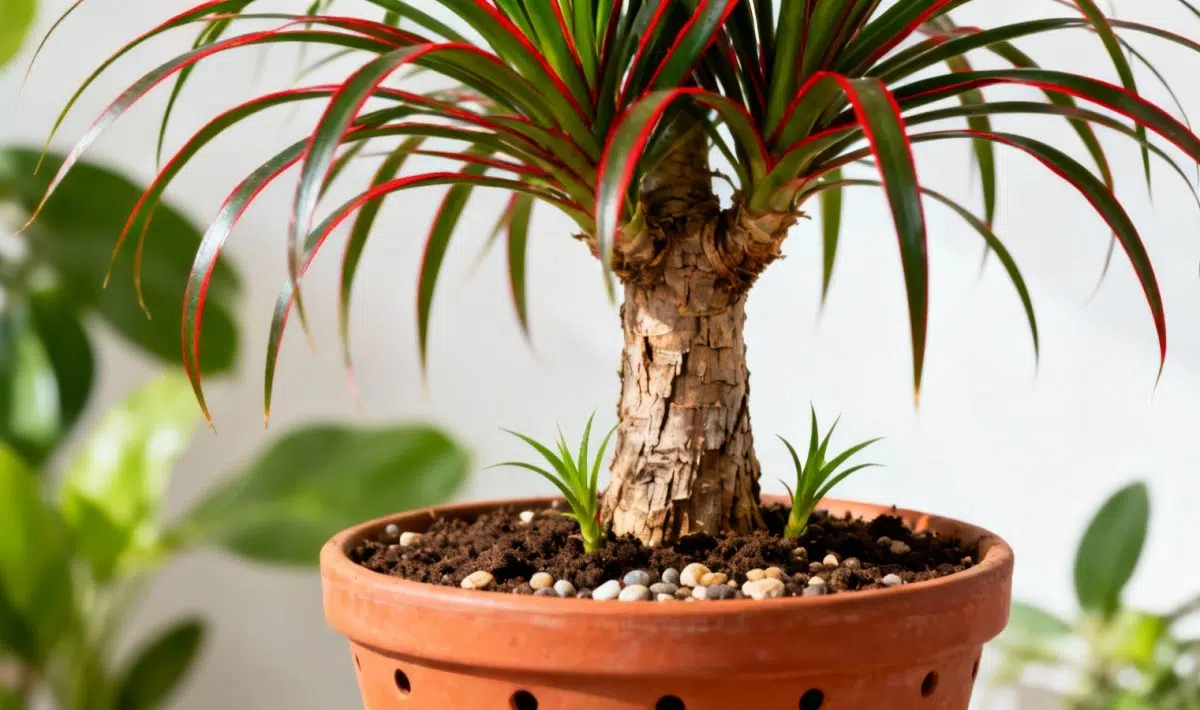
Introduction to the Madagascar dragon tree
The Madagascar dragon tree, scientifically known as Dracaena reflexa var. angustifolia, stands as one of the most beloved houseplants for both beginners and experienced gardeners. Originally from Madagascar and surrounding islands in Africa, this stunning plant has captured hearts across America and beyond with its striking appearance and remarkably easy care requirements.
This hardy member of the Asparagaceae family typically reaches 6-8 feet indoors, making it perfect for adding dramatic height to any interior space. The narrow, green leaves arch gracefully from sturdy stems, creating an elegant silhouette that works beautifully in modern homes. Many plant enthusiasts appreciate how the leaves can be twisted or trained in spiral patterns, giving it a unique bonsai-like character.
What truly sets this plant apart is its incredible tolerance for neglect. Unlike many finicky houseplants that demand constant attention, the Madagascar dragon tree thrives with minimal care, making it an excellent choice for busy plant parents or those just starting their indoor garden journey.
Key characteristics and natural habitat
In its native Madagascar, this remarkable plant grows in diverse conditions, from coastal areas to inland regions. This adaptability explains why it performs so well as a houseplant across different environments. The plant’s natural resilience comes from evolving in areas with irregular rainfall and varying light conditions.
The distinctive foliage features narrow, sword-like leaves that emerge from multiple stems. These leaves typically display rich green coloration, though some varieties may show subtle reddish edges or yellow markings. The stems, or trunks as they mature, develop a unique braided appearance that adds visual interest to any room.
During its growing season, mature plants occasionally produce small, fragrant white flowers, though flowering rarely occurs indoors. When it does bloom, the tiny star-shaped flowers appear in clusters, followed by small orange or red berries. However, most indoor gardeners focus on the stunning foliage rather than hoping for blooms.
Physical development and growth patterns
Young Madagascar dragon trees start with a single stem that gradually develops multiple trunks over time. This natural branching creates the characteristic tree-like appearance that gives the plant its name. The growth rate is moderately slow, typically adding about a third of its height each year under optimal conditions.
The leaves emerge from growing points at the stem tips, creating rosettes that expand as the plant matures. Older leaves naturally yellow and drop from the bottom of each rosette, which is completely normal. This shedding process allows the plant to direct energy toward new growth at the top.
Essential care requirements for Madagascar dragon tree success
Creating the perfect environment for your Madagascar dragon tree doesn’t require special skills or expensive equipment. These plants prefer bright, indirect light but tolerate lower light conditions remarkably well. Place your plant near a window that receives filtered sunlight, avoiding direct rays that might scorch the leaves.
Temperature consistency plays a crucial role in plant health. Maintain daytime temperatures between 65-78°F (18-26°C) and slightly cooler nights, never dropping below 55°F (13°C). This temperature range mimics the plant’s natural habitat and promotes steady growth throughout the year.
The potting medium should drain well while retaining some moisture. A standard potting mix works perfectly, or you can create your own blend using equal parts peat moss, perlite, and regular potting soil. Choose a pot with drainage holes to prevent water from accumulating at the bottom.
Watering and humidity management
Proper watering technique makes the difference between a thriving plant and a struggling one. Allow the top inch of soil to dry completely between waterings, then water thoroughly until excess drains from the bottom. This might mean watering every 7-10 days during growing season and less frequently in winter.
Unlike some tropical plants that demand high humidity, the Madagascar dragon tree tolerates average indoor humidity levels. However, it does appreciate occasional misting or placement near other plants to increase local humidity. Brown leaf tips often indicate low humidity or inconsistent watering rather than serious problems.
During winter months, reduce watering frequency as the plant’s growth slows. Overwatering during this dormant period can lead to root rot, one of the few serious threats to these otherwise robust plants.
Common problems and effective solutions
Even though Madagascar dragon trees are generally trouble-free, a few issues can occasionally arise. Yellow leaves typically indicate overwatering or natural aging, while brown leaf tips suggest low humidity or water quality problems. Use filtered or distilled water if your tap water contains high levels of chemicals.
Spider mites and scale insects sometimes target indoor plants, especially during dry winter months. Regular inspection of leaf undersides helps catch these pests early. A gentle shower or wiping leaves with a damp cloth prevents most pest problems while keeping the foliage clean and attractive.
If you notice the plant becoming top-heavy or losing its shape, don’t hesitate to prune. Cut stems just above a node or leaf cluster to encourage bushier growth. The pruned sections can often be used for propagation, giving you new plants to enjoy or share.
Seasonal care adjustments
Understanding seasonal changes helps maintain plant health year-round. During spring and summer, the growing season, increase watering frequency and consider monthly feeding with diluted liquid fertilizer. Just as you might follow care tips for growing apricots by adjusting care seasonally, your dragon tree benefits from this attention to natural cycles.
Winter care focuses on protection rather than growth promotion. Reduce watering, stop fertilizing, and ensure the plant stays away from heating vents or cold drafts. This rest period prepares the plant for vigorous spring growth.
Propagation methods and techniques
Creating new Madagascar dragon trees is surprisingly straightforward and rewarding. The most reliable method involves stem cuttings taken from healthy, mature plants. Choose stems that are at least 4-6 inches long and include several leaf nodes.
Remove the lower leaves from your cutting and place it in a jar of water or directly into moist potting soil. If using water propagation, change the water every few days to prevent bacterial growth. Roots typically develop within 2-4 weeks, at which point the cutting can be transplanted to soil.
Another effective approach involves air layering, particularly useful for larger plants with thick stems. Make a small cut in the stem, wrap it with moist sphagnum moss, and cover with plastic wrap. Roots develop at the cut site over several weeks, creating a new plant while still attached to the parent.
Success with young plants
Newly propagated dragon trees need extra attention during their first few months. Keep soil consistently moist but not waterlogged, and provide bright, indirect light. Young plants are more sensitive to temperature fluctuations and dry conditions than established specimens.
Much like when you’re growing cucumbers successfully at home, patience is key during the establishment phase. Most young dragon trees take 6-12 months to develop strong root systems and begin showing vigorous growth.
Consider starting multiple cuttings at once to increase your success rate. Not every cutting will root successfully, but having several attempts running simultaneously ensures you’ll have new plants to enjoy. Once established, these plants can live for decades with proper care.
Advanced care techniques and styling options
Experienced growers often experiment with training their Madagascar dragon trees into artistic forms. The flexible stems can be braided or twisted while young, creating unique sculptural elements for interior design. This technique works best with multiple young plants grown together in the same pot.
For those interested in more sophisticated indoor gardening, consider the techniques used for other popular houseplants. The same attention to detail that goes into tips for caring for Philodendron Birkin can elevate your dragon tree care to professional levels.
Regular pruning not only maintains plant health but also allows you to control size and shape. Remove any dead, damaged, or yellowing leaves promptly to keep the plant looking its best. Strategic pruning of growing tips encourages branching and creates fuller, more attractive specimens.
Creating indoor plant collections
Madagascar dragon trees work beautifully as anchor plants in mixed collections. Their upright growth habit provides vertical interest, while their tolerance for varying conditions makes them compatible with many other houseplants. Consider pairing them with lower-growing species for layered displays.
When designing plant groupings, remember that different species have varying care requirements. However, the adaptable nature of dragon trees means they often thrive alongside plants with similar needs. The principles that apply to how to care for Monstera obliqua often complement dragon tree care perfectly.
Whether you’re starting your first indoor garden or expanding an existing collection, the Madagascar dragon tree offers unmatched combination of beauty, durability, and ease of care. With proper attention to its basic needs and occasional propagation projects, this remarkable plant will reward you with years of tropical elegance in your home.

Allan is a lifelong gardening enthusiast who still gets excited when the first seedlings pop up in spring. With a deep love for nature and a hands-in-the-soil approach, he shares practical tips, plant discoveries, and clever tricks picked up over years of digging, planting, and observing. Whether you’re a new gardener or have a shed full of tools, Allan writes like a neighbor who’s always happy to swap cuttings and stories over the fence.
You can find more about Allan’s work on Malt or connect with him on LinkedIn.


