
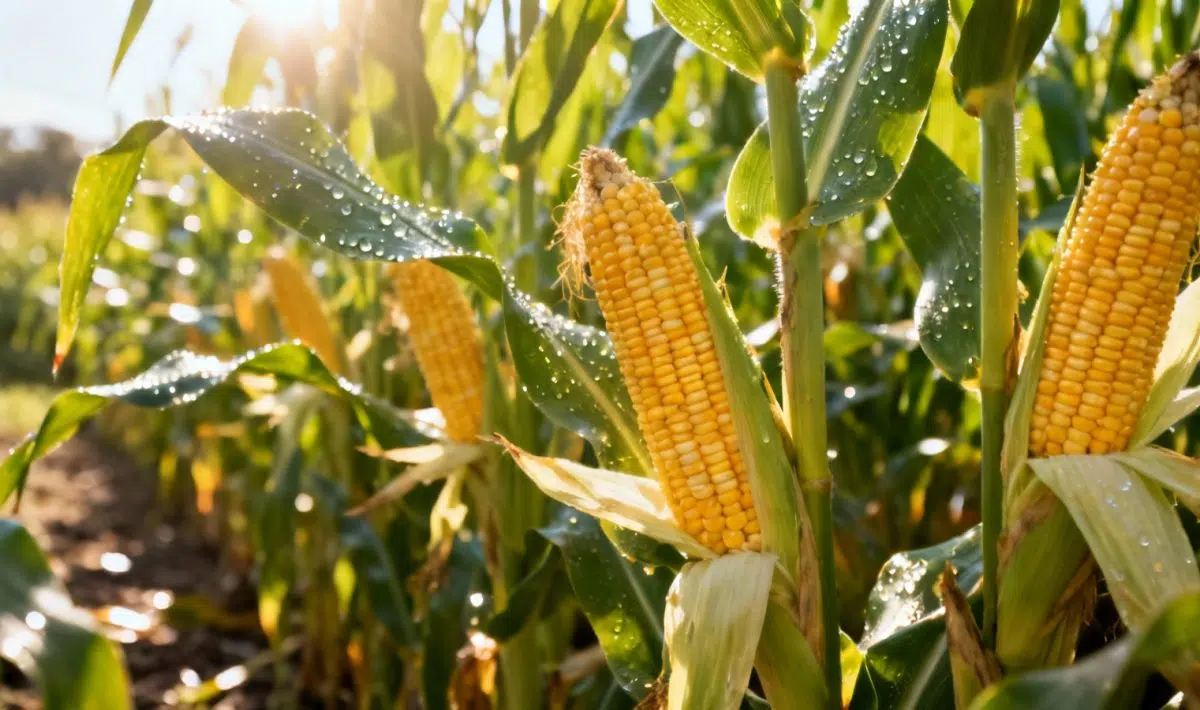
Growing corn successfully starts with understanding how much sunlight does maize need for optimal development. This fundamental crop requires specific light conditions to thrive and produce the abundant harvest that farmers and gardeners expect from their planting efforts.
Understanding maize sunlight requirements
Corn, scientifically known as Zea mays, is a full sun crop that demands approximately 6 to 8 hours of direct sunlight daily. This C4 photosynthesis plant has evolved to maximize light absorption, making it particularly efficient at converting solar energy into biomass and grain production.
The intensity and duration of sunlight directly influence the plant’s ability to photosynthesize effectively. When corn receives adequate light exposure, it develops stronger stalks, produces larger ears, and yields more grains per hectare compared to plants grown in shadier conditions.
Unlike some vegetables that can tolerate partial shade, maize performs best when planted in locations with unobstructed access to sunlight throughout the growing season. This requirement becomes especially critical during the reproductive phase when ears are forming and filling with kernels.
The role of photosynthesis in corn development
Photosynthesis serves as the engine that drives corn growth from seed germination to final harvest. During this process, corn plants capture solar energy and convert carbon dioxide and water into sugars that fuel all plant functions.
The C4 photosynthesis pathway that corn utilizes is remarkably efficient in bright, warm conditions. This adaptation allows maize to outperform many other crops in high-light environments, explaining why it has become one of the world’s most important food crops.
When sunlight levels are optimal, corn plants can produce impressive amounts of biomass in a relatively short growing season. Each leaf acts as a solar panel, capturing photons and converting them into the energy needed for root development, stalk elongation, and grain production.
Optimal growing conditions for maximum yield
Beyond sunlight requirements, successful corn cultivation depends on several interconnected factors. Soil preparation plays a crucial role, with well-drained, fertile ground providing the foundation for healthy root development and nutrient uptake.
The best planting practices involve spacing rows adequately to ensure each plant receives sufficient light penetration. Modern farming techniques often use wider row spacing, sometimes extending to 150-154 cm between rows, which creates “solar corridors” that allow more light to reach lower leaves and improve overall photosynthetic efficiency.
Water management complements sunlight exposure beautifully. While corn needs consistent moisture throughout its growing cycle, proper drainage prevents waterlogged conditions that can stress plants even when light levels are perfect. Just as understanding optimal sunlight conditions for radishes helps gardeners grow better root vegetables, knowing corn’s specific needs ensures better results.
Signs of insufficient sunlight and solutions
Corn plants communicate their light stress through various visible symptoms. Elongated, pale stems often indicate that plants are stretching toward available light sources, while reduced ear size and sparse kernel development suggest inadequate photosynthesis during critical growth periods.
When faced with shaded growing conditions, farmers and gardeners have several options. Selecting early-maturing varieties can help crops complete their cycle before autumn’s shorter days become limiting. Additionally, improving soil fertility with quality compost and appropriate fertilizers can help plants make the most of available light.
Strategic pruning of nearby trees or structures that cast shadows can dramatically improve light availability. However, major landscape modifications should be weighed against the cost and effort involved, especially for small-scale home gardens.
Comparing corn with other crops
Different crops have varying light requirements, and understanding these differences helps farmers plan diverse rotations and garden layouts effectively. While corn demands full sun exposure, other plants show more flexibility in their lighting needs.
Beans, for example, can tolerate slightly shadier conditions than corn, though they still perform best with ample sunlight. This difference allows for creative intercropping strategies where beans can be planted in areas that receive good but not perfect light exposure. Similarly, understanding sunlight requirements for selloum plants demonstrates how different species adapt to various light conditions.
Root vegetables and leafy greens often show more tolerance for partial shade compared to grain crops like corn. This knowledge helps farmers maximize their land use by placing light-demanding crops in the sunniest spots while utilizing partially shaded areas for more tolerant species.
Seasonal considerations and timing
The timing of corn planting significantly impacts how effectively plants can utilize available sunlight throughout their growing season. Early season plantings benefit from longer days as summer approaches, while late plantings may struggle as daylight hours decrease toward autumn.
Spring soil temperatures and frost dates influence when seeds can safely be planted, but successful growers also consider the total accumulated sunlight hours their crop will receive. In northern regions, this calculation becomes especially important for ensuring adequate grain filling before the first killing frost.
Modern corn varieties have been bred for different maturity requirements, allowing farmers to select cultivars that match their local growing conditions. Short-season varieties work well in areas with limited frost-free days, while full-season types can maximize yield potential in regions with longer growing periods.
Practical tips for home gardeners
Home gardeners growing corn face unique challenges compared to large-scale farmers. Limited space often means making the most of available sunny areas while working around existing landscaping and structures.
Site selection becomes critical in home gardens. The sunniest spot in the yard should be reserved for sun-loving crops like corn, while shadier areas can accommodate plants with lower light requirements. Much like considering ideal sunlight for Jimsonweed cultivation, proper planning ensures each plant receives appropriate conditions.
Container growing offers flexibility for gardeners with limited ground space. Large containers can be moved to follow the sun throughout the day, ensuring corn plants receive maximum light exposure. However, container corn requires careful attention to watering and nutrition since roots have limited space to search for resources.
Succession planting allows home gardeners to extend their harvest period while making efficient use of available space. By planting small amounts every two weeks, gardeners can enjoy fresh corn over a longer period rather than having everything ripen simultaneously.
Advanced growing techniques
Innovative farmers continue developing methods to optimize light utilization in corn production. Reflective mulches can increase the amount of light reaching lower plant parts, potentially improving overall photosynthesis and yield.
Intercropping strategies that combine corn with compatible companion plants can maximize land productivity without significantly reducing corn’s light access. Traditional “Three Sisters” plantings that include corn, beans, and squash demonstrate how different crops can coexist while meeting their respective sunlight needs.
Understanding light requirements extends beyond corn to many other crops, including learning about sunlight needs for growing rutabaga and proper sunlight for oregano cultivation, which helps create comprehensive garden plans that optimize growing conditions for all plants.
Troubleshooting common sunlight issues
Even experienced growers occasionally encounter situations where corn doesn’t receive ideal light conditions. Identifying and addressing these problems quickly can prevent significant yield losses and improve future growing success.
Overcrowding represents one of the most common light-related problems in corn cultivation. When plants are too closely spaced, they compete for available sunlight, often resulting in weak, spindly growth and poor ear development. Proper spacing ensures each plant has adequate access to both sunlight and soil resources.
Weather-related challenges like extended cloudy periods can stress corn plants, particularly during critical growth stages. While farmers cannot control weather patterns, they can adjust fertilization and irrigation practices to support plants through periods of reduced sunlight. Just as tropical plants like those discussed in sunlight essentials for pineapple growth require specific light management, corn benefits from attentive care during challenging conditions.
Understanding these sunlight requirements and implementing appropriate growing practices ensures that corn crops receive the 6-8 hours of daily direct sunlight they need for optimal growth, development, and grain production. Whether you’re managing a large farm or a small home garden, providing adequate light exposure remains fundamental to achieving successful corn harvests year after year.

Allan is a lifelong gardening enthusiast who still gets excited when the first seedlings pop up in spring. With a deep love for nature and a hands-in-the-soil approach, he shares practical tips, plant discoveries, and clever tricks picked up over years of digging, planting, and observing. Whether you’re a new gardener or have a shed full of tools, Allan writes like a neighbor who’s always happy to swap cuttings and stories over the fence.
You can find more about Allan’s work on Malt or connect with him on LinkedIn.


