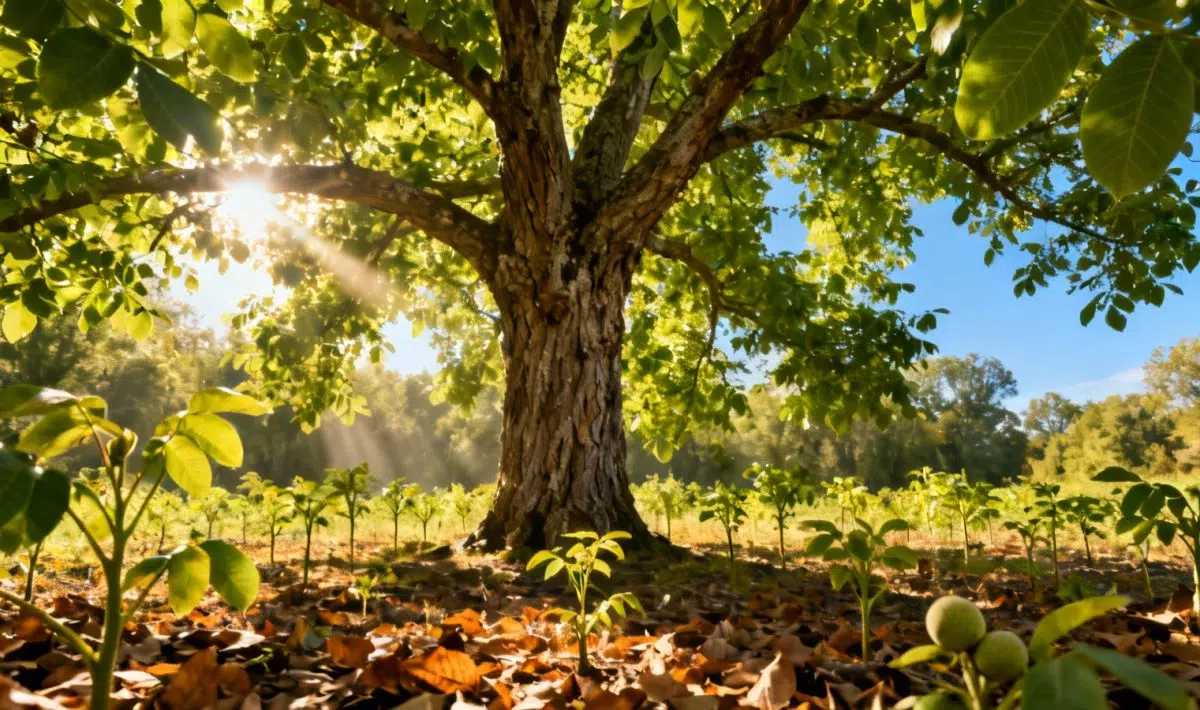
Understanding black walnut’s sunlight requirements
Black walnut trees, scientifically known as Juglans nigra, are magnificent specimens that demand specific growing conditions to thrive. These impressive trees have earned their reputation as full-sun plants, requiring abundant direct sunlight to develop properly. The key to success with this type of tree lies in understanding its fundamental need for continuous, unobstructed sunlight throughout the growing season.
Unlike shade-tolerant plants, the black walnut simply cannot compete well in low-light environments. This nigra variety has evolved as a pioneer species, naturally establishing itself in open areas where sunlight is abundant. For gardeners and landowners considering planting this valuable tree, recognizing these light requirements from the start will determine the difference between a struggling plant and a robust, productive walnut tree.
The relationship between sunlight and black walnut health extends beyond mere growth rates. Adequate light exposure directly influences the tree’s ability to produce quality nuts, develop strong wood structure, and maintain resistance against common diseases and pests.
Optimal sun exposure for Juglans nigra trees
Black walnut trees require a minimum of six to eight hours of direct sunlight daily to maintain healthy growth patterns. This translates to what gardeners typically call “full sun” conditions, where the tree receives unfiltered sunlight for the majority of daylight hours. The plant thrives best when positioned in open areas free from shade competition from buildings, other trees, or large structures.
During the summer months, when growth is most active, these trees benefit from consistent morning through afternoon sun exposure. The continuous light allows for optimal photosynthesis, which directly supports the tree’s energy production and overall vitality. Just as different vegetables have varying light needs, such as how much sunlight sunlight requirements for growing radishes differ from tree requirements, black walnuts have their own specific demands.
Research from forestry extensions consistently classifies black walnut as “intolerant of shade,” meaning that young plants rarely establish successfully under dense canopy cover. The tree’s natural growth pattern reflects this need, as it typically emerges in forest clearings or open grasslands where light competition is minimal.
Consequences of insufficient light for walnut plants
When black walnut trees don’t receive adequate sunlight, several problems quickly become apparent. Growth rates slow dramatically, with the tree producing thin, weak branches that struggle to support the plant’s natural architecture. The characteristic broad canopy that makes mature black walnuts so attractive simply cannot develop without proper light exposure.
Inadequate sunlight also affects fruit production significantly. Trees grown in partial shade conditions often produce fewer nuts, and those nuts tend to be smaller and of lower quality than those from well-lit trees. The plant’s energy reserves become compromised, leading to reduced cold hardiness and increased susceptibility to various diseases and insect damage.
Similar to how indoor plants like optimal sunlight for selloum plants requires specific conditions, black walnuts in inadequate light conditions often develop a condition called etiolation, where stems become elongated and weak as they stretch toward available light sources.
Choosing the perfect planting location
Site selection represents the most critical decision when establishing black walnut trees. The ideal location features open exposure to southern and western sun, with minimal obstruction from existing structures or mature trees. Consider the mature size of your walnut tree, which can reach 50-75 feet in height with an equally impressive spread.
Soil considerations work hand-in-hand with light requirements. Black walnut trees prefer well-draining soil that doesn’t retain excessive moisture, as waterlogged conditions combined with insufficient light create perfect conditions for root rot and other fungal problems. The type of soil should be rich and deep, allowing the extensive root system to develop properly.
When planning your planting site, remember that these trees have allelopathic properties, meaning they produce natural chemicals that can inhibit the growth of nearby plants. This characteristic actually supports their need for open growing spaces, as companion planting options are somewhat limited compared to other fruit and nut trees.
Seasonal light considerations and care
Throughout different seasons, black walnut trees maintain their high light requirements, though their needs shift slightly with changing growth patterns. During spring emergence, young leaves are particularly sensitive to light conditions, requiring consistent exposure to develop the thick, robust foliage characteristic of healthy specimens.
Summer represents the peak growth period when light requirements are most critical. The tree’s photosynthetic activity reaches maximum levels, supporting both vegetative growth and nut development. Interestingly, while some plants like light needs for Jimsonweed cultivation can tolerate some shade variation, black walnuts maintain consistent high-light demands throughout their growing season.
Fall preparation also depends on adequate sunlight exposure. Trees that have received sufficient light throughout the growing season develop better cold tolerance and enter dormancy in healthier condition. This improved resilience carries through winter and supports vigorous spring emergence the following year.
Practical growing tips for success
Successfully growing black walnut trees from graines (seeds) or young plants requires attention to several key factors beyond just light exposure. Start with quality planting material from reputable sources, ensuring your trees have the genetic potential to thrive in your specific climate conditions.
Proper spacing becomes crucial when planting multiple trees. Allow at least 40-50 feet between individual trees to prevent future competition for sunlight as they mature. This spacing also supports air circulation, which helps prevent fungal diseases that can affect trees grown too closely together.
Regular monitoring during the first few years helps identify any light-related issues early. Watch for signs of stretching growth, pale foliage, or reduced vigor, all of which may indicate insufficient sunlight. Unlike vegetables such as those requiring specific sunlight for thriving rutabaga plants, trees provide less flexibility for relocation once established.
Maintenance and long-term care
Maintaining optimal light exposure for established black walnut trees involves periodic assessment of surrounding vegetation and structures. As other plants grow or new construction occurs nearby, previously ideal sites can become compromised. Selective pruning of competing vegetation may become necessary to maintain proper light levels.
The wood from properly grown black walnut trees in full sun conditions develops superior grain patterns and strength compared to shade-grown specimens. This quality difference affects both the timber value and the tree’s structural integrity throughout its lifespan.
Consider companion planting options carefully, as few plants tolerate both the black walnut’s allelopathic effects and the full-sun conditions it requires. Some herbs, like those discussed in guides about growing oregano in the right light, might work in distant areas, but most garden plants should be kept well away from the walnut’s root zone.
Benefits of proper sunlight management
Trees that receive adequate sunlight throughout their development provide numerous benefits beyond simple survival. Well-lit black walnut trees develop strong, balanced canopies that provide excellent shade for outdoor spaces while maintaining their structural integrity during storms and high winds.
Nut production from properly illuminated trees significantly exceeds that of shade-compromised specimens. The nuts themselves are larger, have better flavor, and store longer than those from stressed trees. This improved fruit quality makes the investment in proper site selection worthwhile for both commercial and home growers.
The aesthetic value of healthy black walnut trees adds considerable appeal to any landscape. Their distinctive bark, elegant branching pattern, and attractive foliage create focal points that enhance property values. Unlike tropical plants requiring specific conditions like sunlight levels for healthy pineapples, black walnuts adapt well to temperate climate variations while maintaining their light requirements.
Understanding and meeting the sunlight needs of black walnut trees ensures successful cultivation of these remarkable specimens. With proper site selection, adequate light exposure, and appropriate care, these magnificent trees will reward growers with decades of beauty, shade, and valuable nut production. The key lies in respecting their fundamental requirement for full sun conditions and planning accordingly from the very beginning of the planting process.
Allan is a lifelong gardening enthusiast who still gets excited when the first seedlings pop up in spring. With a deep love for nature and a hands-in-the-soil approach, he shares practical tips, plant discoveries, and clever tricks picked up over years of digging, planting, and observing. Whether you’re a new gardener or have a shed full of tools, Allan writes like a neighbor who’s always happy to swap cuttings and stories over the fence.
You can find more about Allan’s work on Malt or connect with him on LinkedIn.