
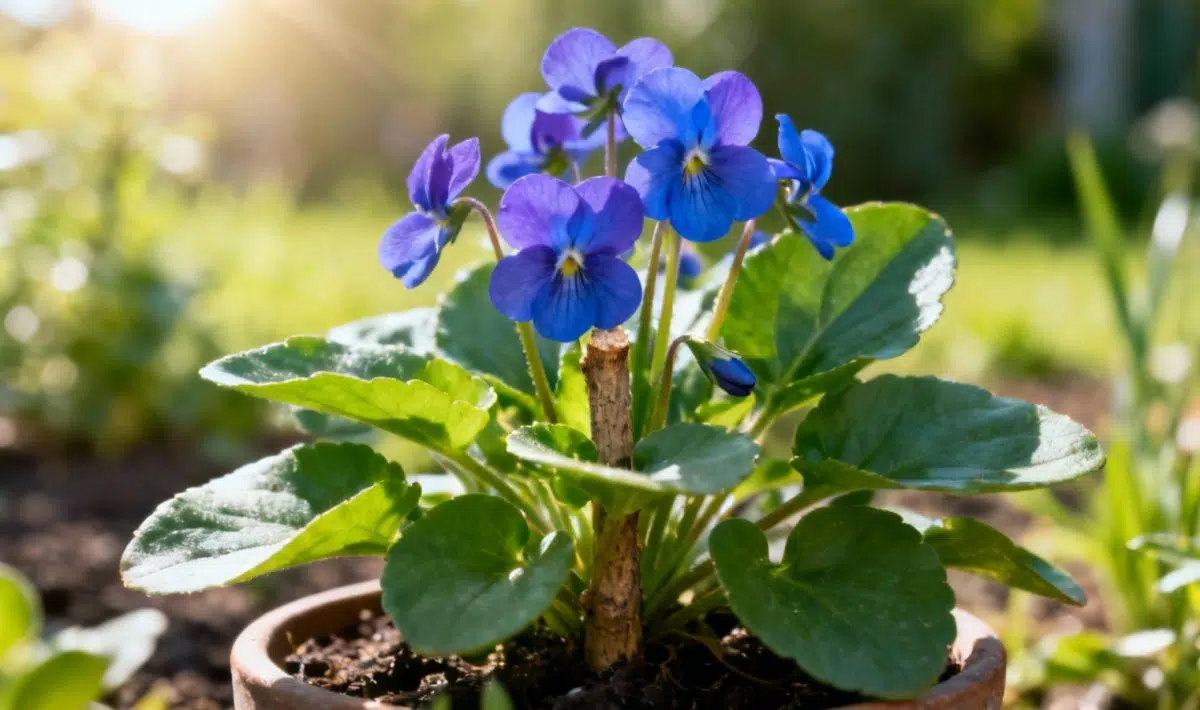
Understanding light requirements for common blue violet
The common blue violet (Viola sororia) stands out as one of the most adaptable flowering plants you can grow in your garden. This charming perennial thrives with a balanced approach to sunlight, preferring conditions that many other plants would find challenging. Understanding how much sunlight does common blue violet need is essential for achieving the best flowering and overall plant health.
These hardy plants naturally flourish in partial shade conditions, requiring approximately 3 to 6 hours of direct sunlight daily. However, they demonstrate remarkable tolerance for varying light conditions, from full sun to deeper shade. The key lies in providing protection during the hottest parts of the day, particularly in regions with intense summer heat.
Optimal sunlight conditions for healthy growth
Common blue violets perform best in morning sunlight with afternoon shade protection. This exposure pattern allows the plants to photosynthesize effectively while avoiding the stress of intense midday heat. The ideal growing conditions include dappled sunlight filtered through tree canopies or locations that receive full morning sun followed by gentle afternoon shade.
During spring flowering season, these plants benefit from slightly more direct sunlight to promote robust blooming. The violet flowers appear more vibrant and numerous when the plant receives adequate light during its active growing period. However, as summer temperatures rise, providing some shade becomes increasingly important for maintaining plant health and preventing leaf scorch.
For gardeners seeking similar sunlight considerations for other plants, the sunlight requirements for passionfruit plants offer interesting comparisons in terms of balancing sun exposure with protection needs.
Managing different light exposures
Full sun conditions can work well for common blue violets, but only with proper soil moisture management. These plants will tolerate direct sunlight throughout the day if the soil remains consistently moist and well-draining. In hot climates, however, full sun exposure often leads to stress, reduced flowering, and potential plant decline.
Partial shade represents the sweet spot for most growing situations. This typically means 3 to 4 hours of morning sunlight followed by filtered light or shade for the remainder of the day. Such conditions mimic the plant’s natural woodland habitat and promote steady growth without excessive stress.
Deep shade conditions present more challenges but are not impossible. Blue violets can survive in heavily shaded areas, though flowering will be significantly reduced. In these conditions, focus on providing rich, organic soil and consistent moisture to compensate for the limited light availability.
Seasonal light adjustments
Spring represents the most critical time for sunlight exposure with blue violets. During this period, the plants emerge from winter dormancy and begin their flowering cycle. Providing adequate morning sunlight helps trigger robust blooming and healthy leaf development. The cool spring temperatures allow for more direct sun exposure than would be comfortable later in the year.
Summer care requires a shift toward more protective shade, especially during afternoon hours. As temperatures climb above 80°F, these plants benefit greatly from overhead canopy protection or strategically placed shade structures. Similar to how optimal sunlight for dogwood trees requires seasonal considerations, violets need adjusted care as conditions change.
Fall and winter light management becomes less critical as plants enter dormancy. However, maintaining some light exposure helps with root development and prepares the plant for vigorous spring growth.
Signs of improper light exposure
Too much direct sunlight typically manifests as wilted or scorched leaves, particularly along the edges. The purple and blue flowers may fade quickly, and overall plant vigor declines despite adequate watering. Plants in excessive sun often develop a stressed appearance with yellowing foliage and reduced flowering duration.
Insufficient light creates different problems, primarily seen as weak, elongated growth and sparse flowering. Plants receiving too little sunlight tend to develop pale green leaves and may fail to bloom entirely. The growth becomes leggy as the plant stretches toward available light sources.
Proper diagnosis involves observing your plants throughout different times of day and seasons. Notice when stress symptoms appear and correlate these observations with current growing conditions. This approach helps fine-tune the light exposure for optimal results.
For plants receiving excessive sunlight, creating artificial shade represents the most effective solution. Use shade cloth, strategically planted taller plants, or temporary structures during the hottest parts of summer. Increasing soil organic matter and maintaining consistent moisture also helps plants tolerate more direct sun exposure.
Addressing insufficient light often requires relocating plants or modifying the surrounding environment. Pruning overhead branches to increase filtered light penetration can make a significant difference. In some cases, supplemental artificial lighting during key growing periods may help, though this is rarely necessary for outdoor violet cultivation.
Understanding these light dynamics applies to many garden plants, just as knowing juniper plant sunlight needs helps with other landscape decisions.
Companion planting for optimal light management
Strategic companion planting can help create ideal light conditions for blue violets naturally. Planting them beneath deciduous trees provides perfect seasonal light variation – more sun during spring flowering when leaves are just emerging, and protective shade during hot summer months when the canopy is full.
Taller perennial plants like hostas, ferns, or astilbe make excellent companions, providing dappled shade while creating attractive garden compositions. These partnerships benefit all plants involved by creating microclimates that moderate temperature extremes and maintain soil moisture.
Avoid pairing blue violets with plants requiring full sun conditions, as the violets will struggle to compete in such bright exposures. Instead, choose shade-tolerant companions that share similar moisture and soil preferences.
Container growing considerations
Container cultivation offers excellent control over light exposure for blue violets. Pots can be moved seasonally to provide optimal conditions – brighter spring locations for flowering, shadier summer spots for heat protection. This flexibility makes container growing ideal for gardeners with challenging light conditions in their landscape.
Choose containers large enough to maintain consistent soil moisture, as potted plants dry out more quickly than ground-planted specimens. The combination of proper container size and strategic placement creates excellent growing conditions for these adaptable plants.
Much like understanding milkweed sunlight exposure requirements, successful container violet cultivation depends on matching plant needs with available growing conditions.
Long-term care and light management
Establishing blue violets in appropriate light conditions sets the foundation for years of reliable performance. These perennial plants will naturalize in suitable locations, forming attractive colonies that require minimal maintenance once established. The initial investment in proper site selection pays dividends through reduced ongoing care requirements.
Monitor your established violet patches annually, noting any changes in light conditions due to growing trees or new construction. Mature plants can often adapt to gradually changing conditions, but sudden dramatic shifts in light exposure may require intervention or plant relocation.
Remember that soil quality becomes increasingly important in challenging light situations. Rich, organic soil helps compensate for less-than-perfect light conditions, while poor soil exacerbates stress from improper sun exposure. Regular soil amendments and organic matter additions support plant health across varying light conditions.

Allan is a lifelong gardening enthusiast who still gets excited when the first seedlings pop up in spring. With a deep love for nature and a hands-in-the-soil approach, he shares practical tips, plant discoveries, and clever tricks picked up over years of digging, planting, and observing. Whether you’re a new gardener or have a shed full of tools, Allan writes like a neighbor who’s always happy to swap cuttings and stories over the fence.
You can find more about Allan’s work on Malt or connect with him on LinkedIn.


