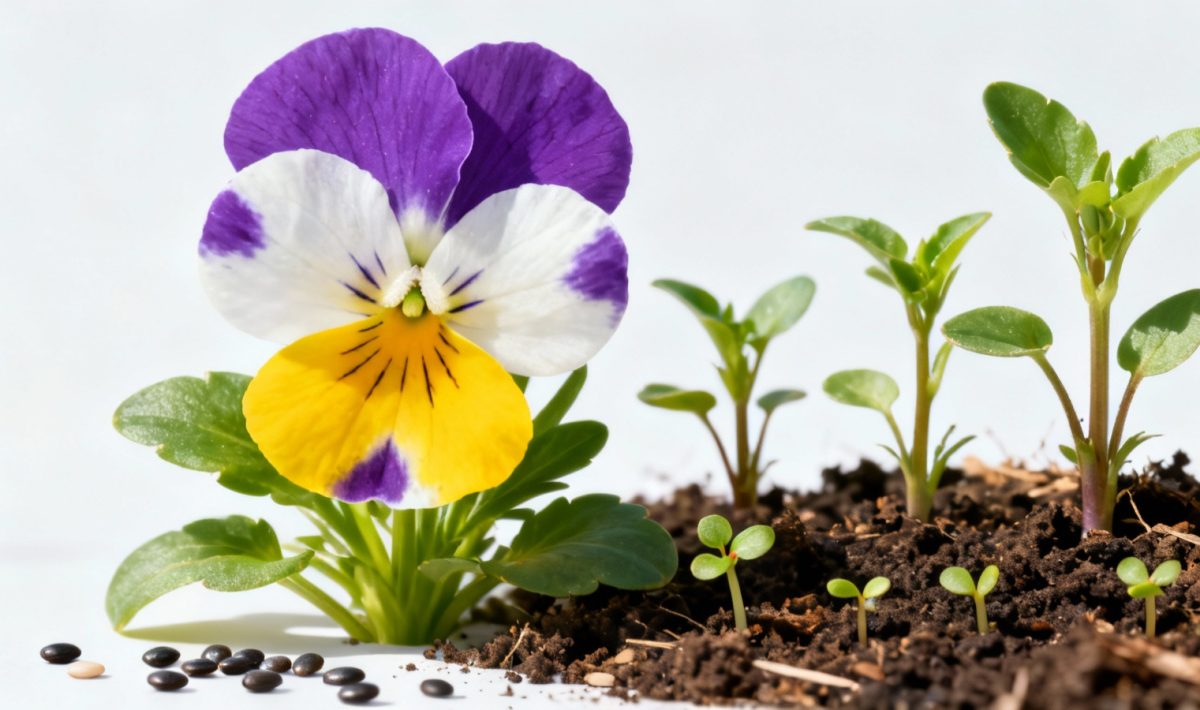
The Johnny Jump Up, scientifically known as Viola tricolor, stands out as one of nature’s most delightful surprises. This charming wildflower, also called heartsease or wild pansy, captures hearts with its cheerful three-colored face that seems to smile back at you from garden beds. Originally native to Europe and western Asia, this resilient little plant has become a beloved addition to gardens worldwide, offering both beauty and practicality in equal measure.
What makes this viola truly special is its remarkable adaptability and self-seeding nature. Unlike its more formal pansy cousins, the Johnny Jump Up thrives with minimal intervention, often appearing where you least expect it. The plant typically reaches about 15 cm in height, making it perfect for borders, containers, or naturalized areas where its spontaneous charm can shine through.
Plant Characteristics and Identification
The fleurs of Viola tricolor display the classic three-color combination that gives the plant its name. Each small flower, measuring approximately 1.5 cm in diameter, typically features purple upper pétales, yellow lower petals, and white accents that create a distinctive face-like appearance. However, color variations exist, with some plants showing predominantly violet, blanc, or yellow blooms depending on the variété and growing conditions.
The feuilles of this plante are heart-shaped to oval, with serrated edges that add texture to the overall appearance. They grow alternately along the stems and maintain their fresh green color throughout most of the growing season. The feuillage remains relatively compact, creating neat mounds that complement the delicate fleur display above.
During floraison, which typically occurs from early spring through late autumn, the plants produce flowers continuously. This extended flowering period makes them invaluable for maintaining color in the jardin when other plantes may be resting. The flowers develop on individual stems that rise just above the leaf canopy, creating an airy, natural effect.
Optimal Growing Conditions
These hardy violettes prefer cool, moist conditions and partial shade, though they can tolerate full sun in cooler climates. The sol should be well-draining yet retain some moisture, as these plants don’t appreciate completely dry conditions. A slightly acidic to neutral pH between 6.0 and 7.0 provides the best environment for healthy growth and abundant flowering.
Temperature considerations play a crucial role in successful cultivation. Johnny Jump Ups perform best in cool weather, thriving in printemps and automne conditions. They can withstand light frosts and even survive mild hiver conditions in protected locations, behaving as short-lived vivace plants in favorable climates.
When it comes to soil preparation, incorporating organic matter such as compost or well-rotted manure improves both drainage and moisture retention. This creates the ideal growing medium that these plants crave. Avoid heavy, waterlogged soils that can lead to root rot and other problems.
Care and Maintenance Practices
Watering Johnny Jump Ups requires a balanced approach. Keep the sol consistently moist but not waterlogged, especially during dry spells. Morning watering is preferred as it allows the feuillage to dry before evening, reducing the risk of fungal diseases. During hot summer weather, these plants appreciate extra attention to prevent wilting.
Deadheading spent fleurs encourages continued blooming and prevents excessive self-seeding if you prefer more control over plant placement. However, allowing some flowers to go to graines naturally maintains the spontaneous character that makes these violette so appealing. For indoor cultivation in pots, similar care principles apply, though container plants may require more frequent watering.
Much like how to care for oleander plants, establishing a regular care routine helps ensure optimal plant health. Regular observation allows you to catch any issues early and adjust care accordingly.
Fertilizing these plants should be done sparingly. Too much nitrogen can promote excessive leaf growth at the expense of flowers. A light application of balanced, slow-release fertilizer in early printemps is usually sufficient for the entire growing season.
Propagation Methods and Timing
The easiest propagation method for Viola tricolor is by seed collection and sowing. Allow some fleurs to mature and develop seed pods, then collect the graines when the pods begin to split open. Fresh seeds can be sown immediately in late summer or stored for spring planting.
For spring sowing, start seeds indoors 6-8 weeks before the last frost date. Sow the graines on the surface of moist seed-starting mix, as they need light to germinate. Keep the soil consistently moist and provide cool temperatures around 60-65°F for best germination rates, which typically occur within 10-14 days.
Direct sowing in the jardin works well in both automne and early printemps. Fall-sown seeds often produce stronger plants that bloom earlier the following année. Simply scatter seeds in prepared soil and lightly rake them in, maintaining moisture until germination occurs.
Division of established plants is possible but less common due to the plants’ relatively short lifespan. If attempting division, do so in early printemps before active growth begins. However, most gardeners find seed propagation more reliable and productive.
Creative Uses and Applications
Johnny Jump Ups excel in naturalized garden settings where their informal charm complements wildflower meadows and cottage garden designs. Their compact size makes them ideal for rock gardens, where they can settle into crevices and create delightful surprises. In formal settings, use them as edging plants or in masse plantings for spring color.
The edible fleurs make beautiful additions to salades, desserts, and garnishes. Their mild, slightly sweet flavor and attractive appearance have made them popular with chefs and home cooks alike. Harvest flowers in the morning after dew has dried for the best quality and longest vase life.
For container gardening, combine Johnny Jump Ups with other cool-season plants in mixed plantings. They pair beautifully with primroses, forget-me-nots, and other spring bloomers. In bouquets, their delicate fleurs add a whimsical touch to informal arrangements, though their stems are relatively short.
These versatile plants also attract beneficial insectes, particularly early-season pollinators who appreciate the nectar source when few other flowers are available. This ecological benefit makes them valuable additions to pollinator gardens and sustainable landscape designs.
Seasonal Management and Long-term Success
Understanding the seasonal behavior of Viola tricolor helps maximize their garden performance. In regions with mild winters, these plants may behave as short-lived perennials, returning for a second or third year. However, treating them as annuals and allowing natural reseeding often provides more consistent results.
During hot summer months, plants may go dormant or die back completely. This is natural behavior, and fresh growth often emerges with cooler automne weather if moisture is adequate. In extremely hot climates, consider treating them as cool-season annuals for best results.
Managing self-seeding requires some balance between control and naturalness. While excessive seeding can lead to overcrowding, some natural reproduction maintains the population and provides opportunities for natural selection of the most adapted plants for your specific conditions.
Winter care varies by climate, but in areas where plants overwinter, a light mulch can provide protection from harsh conditions. Remove any diseased or damaged feuillage to prevent problems in the following growing season. Similar attention to seasonal needs, as seen with tips for growing Philodendron Birkin, ensures healthy plant development year-round.
Troubleshooting Common Issues
While Johnny Jump Ups are generally trouble-free, some issues may arise under certain conditions. Poor flowering often results from excessive heat, inadequate moisture, or too much nitrogen fertilizer. Adjusting these factors usually resolves the problem quickly.
Fungal diseases can occur in humid conditions with poor air circulation. Ensure adequate spacing between plants and avoid overhead watering in the evening. Remove affected feuillage promptly to prevent spread of disease.
Pest problems are minimal, though aphids may occasionally appear on young growth. These are easily controlled with insecticidal soap or by attracting beneficial predator insectes to the jardin. The plants’ natural resistance to most pests makes them relatively low-maintenance compared to many other flowering annuals.
Understanding these challenges and their solutions, much like learning guidelines for Monstera obliqua care, helps ensure successful cultivation regardless of your gardening experience level.
Environmental stress from extreme heat or drought can cause premature dormancy. While this doesn’t permanently harm the plants, maintaining consistent moisture during stressful periods helps extend the flowering season and overall plant performance.
Companion Planting and Design Ideas
Johnny Jump Ups work beautifully in combination with other cool-season flowers and foliage plants. Their low profile makes them excellent companions for taller plants that might otherwise overwhelm smaller garden spaces. Consider pairing them with daffodils, where the viola flowers provide color at ground level while bulbs emerge.
In mixed borders, use these violettes to create flowing transitions between larger plantings. Their ability to self-seed allows them to establish natural-looking drifts that soften formal garden edges. This spontaneous quality adds charm that formal plantings often lack.
For shade gardens, combine them with hostas, astilbe, and other woodland plants where their bright fleurs provide welcome color in dimmer conditions. The contrast between delicate viola blooms and bold hosta leaves creates engaging textural combinations throughout the growing season.
Water garden edges and moist soil areas provide another opportunity for creative use. The plants’ preference for consistent moisture makes them natural choices for bog gardens or areas near water features where other plants might struggle with excess moisture.
Much like the dramatic impact achieved through caring for Southern magnolia trees, thoughtful placement of these smaller plants creates significant visual interest through careful attention to scale and proportion.
Advanced Growing Techniques
For gardeners interested in developing specific color strains, selective seed saving can gradually influence the predominant couleur in your Johnny Jump Up population. Choose seeds only from plants displaying your preferred characteristics, and over several generations, you may develop a more uniform color selection.
Succession planting every 2-3 weeks from early printemps through early summer can extend the flowering period significantly. This technique works particularly well in regions with variable spring weather, ensuring continuous color regardless of unexpected temperature fluctuations.
Container cultivation allows for precise control over growing conditions and enables enjoyment of these plants in locations where ground planting isn’t possible. Use well-draining potting mix and ensure containers have adequate drainage holes to prevent root rot issues.
For those interested in expanding beyond basic cultivation, similar techniques used in essential care for hardy fuchsia plants can be adapted for more sophisticated viola growing approaches.
Microclimate creation through strategic placement can extend growing seasons and improve performance. Using the shelter of larger plants, structures, or natural features helps protect these delicate plants from harsh conditions while maintaining adequate light exposure for healthy growth and flowering.
Conclusion
The Johnny Jump Up proves that some of the most rewarding garden plants are also among the simplest to grow. This delightful viola offers endless possibilities for both beginning and experienced gardeners, combining easy cultivation with genuine charm that never fails to bring smiles to those who discover its cheerful presence in the jardin.
Whether you choose to grow them in formal borders, naturalized areas, or containers, these versatile plants reward minimal effort with maximum enjoyment. Their ability to self-seed and establish permanent populations means that a single season’s planting can provide years of pleasure with very little ongoing intervention required.
Allan is a lifelong gardening enthusiast who still gets excited when the first seedlings pop up in spring. With a deep love for nature and a hands-in-the-soil approach, he shares practical tips, plant discoveries, and clever tricks picked up over years of digging, planting, and observing. Whether you’re a new gardener or have a shed full of tools, Allan writes like a neighbor who’s always happy to swap cuttings and stories over the fence.
You can find more about Allan’s work on Malt or connect with him on LinkedIn.