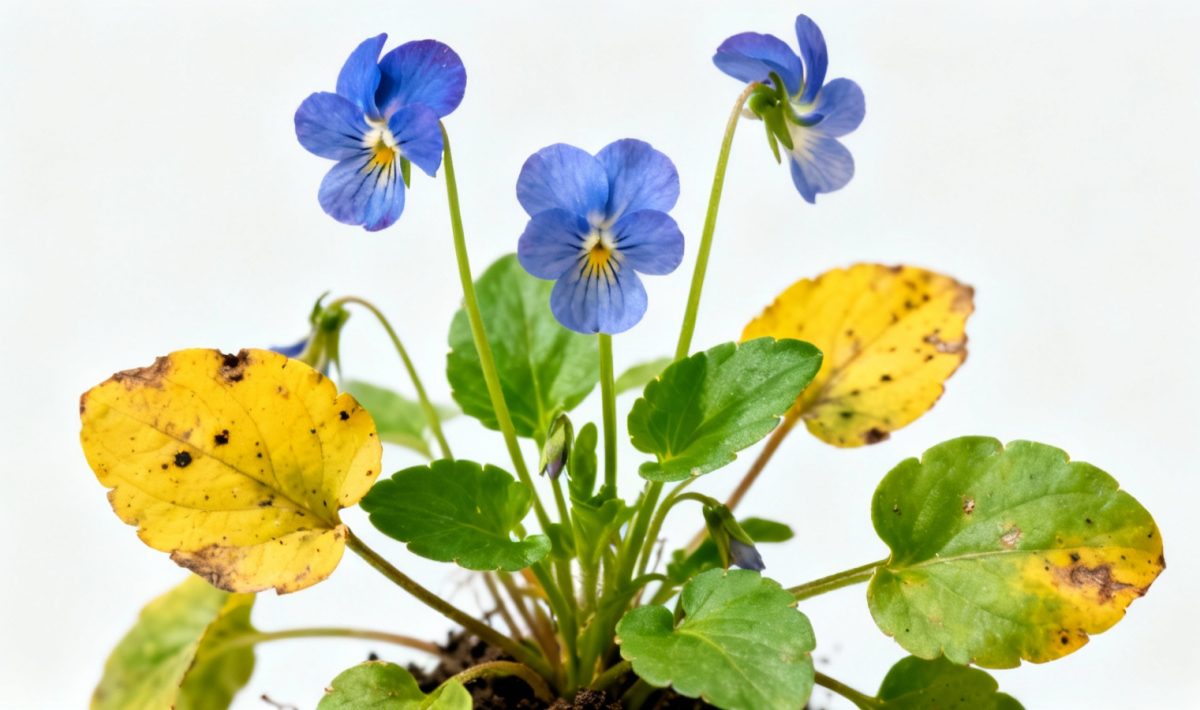
Why are my johnny jump up leaves turning yellow – common causes and solutions
Nothing quite breaks a gardener’s heart like seeing those cheerful johnny jump up flowers paired with yellowing leaves. If you’ve noticed your beloved violas looking a bit under the weather, you’re not alone in wondering why are my johnny jump up leaves turning yellow. The good news is that most cases are completely fixable once you understand what’s going on beneath the surface.
These delightful little flowers are generally hardy and forgiving, but they do have specific needs that, when unmet, show up as yellowing foliage. Let’s dive into the most common culprits and get your johnny jump ups back to their vibrant best.
Johnny jump ups, scientifically known as Viola tricolor, are charming cool-season annuals that bring life to gardens from early spring through fall. These compact plants typically reach 6-9 inches tall and produce an abundance of small, pansy-like flowers in purple, yellow, and white combinations.
What makes these flowers special is their resilience and ability to self-seed, creating natural colonies that return year after year. However, this hardy nature doesn’t make them immune to stress, which often manifests as yellowing leaves before affecting the overall plant health.
✅ Quick Checklist
Is the soil too wet or too dry?
Is the plant getting 6+ hours of sunlight daily?
Have you fertilized in the last 2 months?
Are there visible pests under the leaves?
Does the pot have adequate drainage?
🔥 FREE
📱
Diagnose your plant in one click!
AI instant diagnosis • Personalized solutions • 50,000+ species
Improper watering is the most frequent reason for yellow leaves in johnny jump ups. These plants prefer consistently moist but well-draining soil. Too much water leads to root rot, which prevents nutrient uptake and causes leaves to yellow from the bottom up. Conversely, drought stress causes the plant to sacrifice older leaves to conserve energy for new growth.
Check the soil moisture by inserting your finger about one inch deep. The soil should feel like a wrung-out sponge – moist but not waterlogged. If water pools on top or the soil feels soggy, you’re overwatering. If it’s bone dry or pulls away from the container edges, it’s time for a drink.
Nutrient deficiencies showing their colors
Johnny jump ups aren’t heavy feeders, but they do need basic nutrients to maintain their green foliage. Nitrogen deficiency is the most common culprit, causing older leaves to turn yellow while newer growth remains green. This is the plant’s way of moving mobile nutrients from old leaves to support new growth.
Potassium deficiency shows up as yellowing leaf edges that eventually turn brown and crispy. Iron deficiency, though less common, causes yellowing between leaf veins while the veins themselves stay green – a condition called chlorosis.
Environmental factors affecting leaf color
Light requirements and temperature stress
While johnny jump ups tolerate various light conditions, they perform best with 4-6 hours of direct sunlight daily. Too much intense afternoon sun, especially in hot climates, can cause leaf yellowing and stress. Similarly, insufficient light leads to weak, pale growth that eventually yellows.
These cool-season plants prefer temperatures between 45-65°F. When temperatures consistently exceed 75°F, the plants struggle and may yellow as they prepare to go dormant. This is particularly common during summer heat waves when even well-cared-for plants show stress.
Soil conditions and drainage issues
Poor drainage is a silent killer for johnny jump ups. These plants need soil that drains well while retaining some moisture. Heavy clay soils that stay waterlogged or sandy soils that drain too quickly both cause problems. The ideal soil pH ranges from 6.0 to 7.0, and significantly acidic or alkaline conditions can prevent nutrient absorption.
Similar issues can affect other plants in your garden. For instance, causes of yellowing honeysuckle leaves often stem from comparable drainage and soil problems that affect multiple plant species.
Natural aging versus problematic yellowing
It’s important to distinguish between natural leaf aging and problematic yellowing. Johnny jump ups naturally shed their oldest leaves as part of their growth cycle. This normal process affects just a few lower leaves at a time and doesn’t spread rapidly through the plant.
Concerning yellowing, however, affects multiple leaves simultaneously, progresses quickly, or accompanies other symptoms like wilting, brown spots, or stunted growth. When you notice widespread yellowing, it’s time to investigate and take action.
✅ Quick Checklist
Is the soil too wet or too dry?
Is the plant getting 6+ hours of sunlight daily?
Have you fertilized in the last 2 months?
Are there visible pests under the leaves?
Does the pot have adequate drainage?
🔥 FREE
📱
Diagnose your plant in one click!
AI instant diagnosis • Personalized solutions • 50,000+ species
Start by establishing a consistent watering schedule based on your local conditions and soil type. Water early in the morning to give plants time to absorb moisture before the heat of the day. Apply water at the base of the plant rather than overhead to prevent fungal issues.
For container plants, ensure pots have drainage holes and use a well-draining potting mix. Consider adding a layer of mulch around ground-planted johnny jump ups to help maintain consistent soil moisture while preventing weeds.
Fertilizing for optimal nutrition
A balanced, diluted liquid fertilizer applied every 3-4 weeks during the growing season usually provides adequate nutrition. Choose a fertilizer with equal parts nitrogen, phosphorus, and potassium (like 10-10-10) and dilute it to half strength to avoid burning the roots.
Organic options like compost tea or fish emulsion work excellently for johnny jump ups. These gentler fertilizers release nutrients slowly and improve soil structure over time. Many gardeners dealing with nutrient deficiencies in flowering plants find that solutions for yellow pomegranate leaves apply similar principles to other garden plants.
Creating ideal growing conditions
Position your johnny jump ups where they’ll receive morning sun and afternoon shade, especially in warmer climates. This provides the light they need while protecting them from intense heat that can cause stress and yellowing.
Improve soil drainage by adding organic matter like compost or well-aged manure. For heavy clay soils, consider creating raised beds or adding perlite to improve drainage. Sandy soils benefit from organic matter that helps retain moisture and nutrients.
Prevention strategies for long-term success
Regular monitoring is key to preventing yellowing leaves before they become a major problem. Check your plants weekly, looking for early signs of stress like slight color changes or wilting. Address issues promptly rather than waiting for problems to worsen.
Maintain good garden hygiene by removing fallen leaves and debris that can harbor diseases. Provide adequate spacing between plants to ensure good air circulation, which helps prevent fungal problems that can cause yellowing.
Consider the natural life cycle of your johnny jump ups and plan accordingly. These cool-season plants may naturally decline during hot summer months, so don’t panic if they show some yellowing during extreme heat – they often recover with cooler fall temperatures.
With proper care and attention, your johnny jump ups will reward you with vibrant green foliage and cheerful flowers throughout their growing season. Remember that yellow leaves are often just your plants’ way of communicating their needs, and with the right adjustments, you can keep them happy and healthy all season long.
Allan is a lifelong gardening enthusiast who still gets excited when the first seedlings pop up in spring. With a deep love for nature and a hands-in-the-soil approach, he shares practical tips, plant discoveries, and clever tricks picked up over years of digging, planting, and observing. Whether you’re a new gardener or have a shed full of tools, Allan writes like a neighbor who’s always happy to swap cuttings and stories over the fence.
You can find more about Allan’s work on Malt or connect with him on LinkedIn.