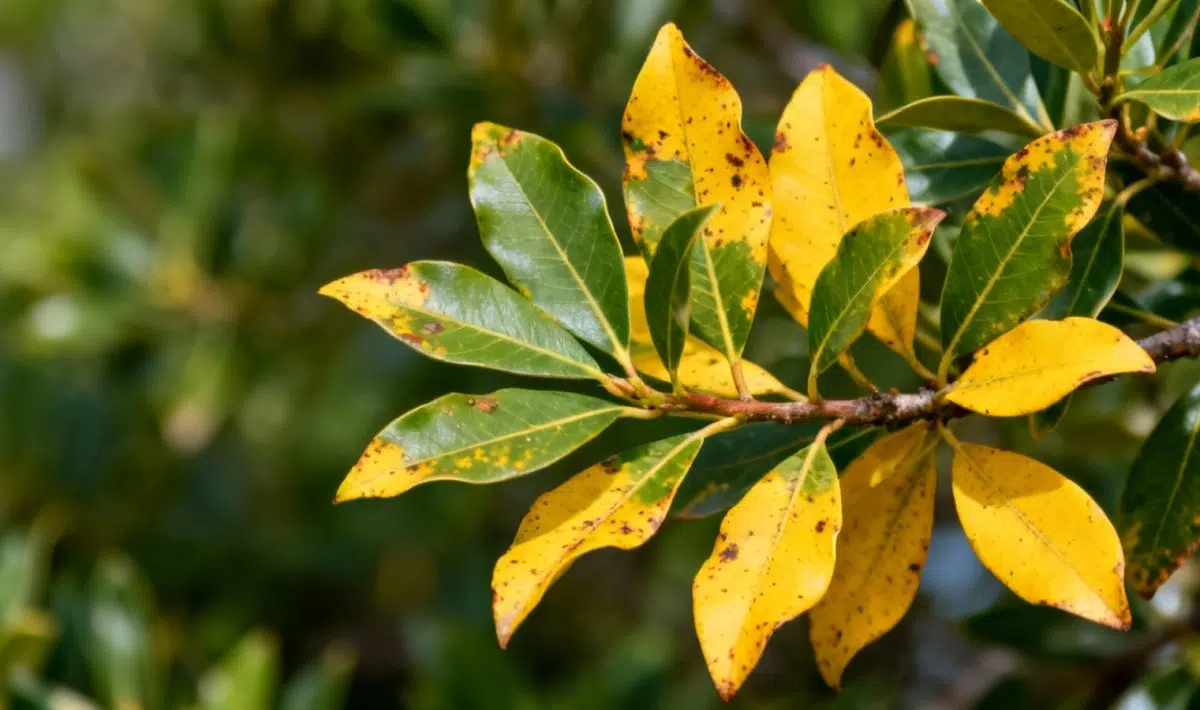
Why are my laurustinus leaves turning yellow – causes and solutions
Nothing’s more frustrating than watching your beautiful laurustinus develop yellow leaves when it should be showing off its glossy green foliage. This Mediterranean shrub is typically quite resilient, but when those leaves start turning yellow, it’s your plant’s way of telling you something needs attention.
Yellow leaves on laurustinus can stem from several factors, ranging from watering issues to nutrient deficiencies. The good news is that most causes are easily fixable once you identify the root problem. Let me walk you through the most common reasons and show you exactly how to bring your plant back to full health.
Laurustinus (Viburnum tinus) is a hardy evergreen shrub that’s incredibly popular in Mediterranean gardens. This robust plant typically thrives with minimal fuss, producing clusters of white or pink flowers throughout winter and maintaining its attractive foliage year-round.
Under ideal conditions, laurustinus should display rich, dark green leaves that remain vibrant across all seasons. The plant prefers well-draining soil and can tolerate both full sun and partial shade, making it a versatile choice for various garden locations.
However, when environmental conditions aren’t quite right, the plant quickly communicates its distress through leaf discoloration. Understanding these signals is key to maintaining a healthy, beautiful specimen.
✅ Quick Checklist
Is the soil too wet or too dry?
Is the plant getting 6+ hours of sunlight daily?
Have you fertilized in the last 2 months?
Are there visible pests under the leaves?
Does the pot have adequate drainage?
🔥 FREE
📱
Diagnose your plant in one click!
AI instant diagnosis • Personalized solutions • 50,000+ species
Improper watering is hands down the most frequent culprit behind yellow laurustinus leaves. Both overwatering and underwatering can trigger this response, though they affect the plant in different ways.
Overwatered plants typically develop yellow leaves that feel soft and may drop easily. The soil remains consistently soggy, and you might notice a musty smell around the root area. This waterlogged environment prevents roots from accessing oxygen, leading to root rot and subsequent leaf yellowing.
Conversely, underwatered laurustinus shows yellowing that starts from the bottom leaves and works upward. These yellow leaves often feel crispy or papery to the touch, and the soil pulls away from container edges when severely dry.
Nutrient deficiencies
Your laurustinus might be experiencing nutrient hunger, particularly nitrogen deficiency. This essential nutrient keeps leaves green and promotes healthy growth. When nitrogen runs low, older leaves yellow first as the plant redirects available nutrients to newer growth.
Iron deficiency also causes yellowing, but with a distinctive pattern called chlorosis. The leaf veins remain green while the areas between them turn yellow, creating a striking contrast that’s easy to identify.
Magnesium deficiency presents similarly to iron deficiency but typically affects older leaves first. This issue is more common in container plants where nutrients get washed away through frequent watering.
Environmental stress factors
Sudden changes in your plant’s environment can trigger leaf yellowing as a stress response. Moving your laurustinus to a new location, dramatic temperature fluctuations, or exposure to cold drafts can all cause this reaction.
Insufficient light is another common issue, especially for indoor plants. Laurustinus needs bright, indirect light to maintain its vibrant green color. In low-light conditions, the plant cannot photosynthesize effectively, leading to yellowing foliage.
Similar yellowing patterns occur in other plants too. For instance, reasons for yellowing honeysuckle leaves often include comparable environmental stressors and care issues that affect Mediterranean plants.
Effective solutions to restore green color
Adjusting your watering routine
Getting your watering schedule right is crucial for healthy laurustinus growth. Check soil moisture by inserting your finger about 2 inches deep into the soil. Water thoroughly when the top inch feels dry, allowing excess water to drain completely.
For container plants, ensure drainage holes aren’t blocked and consider adding gravel to the bottom of pots. In garden settings, improve heavy clay soil by incorporating organic compost or sand to enhance drainage.
During winter months, reduce watering frequency as the plant’s growth slows and soil takes longer to dry out. This seasonal adjustment prevents root rot during dormant periods.
Addressing nutrient needs
Feed your laurustinus with a balanced, slow-release fertilizer in early spring. Look for formulations with equal ratios of nitrogen, phosphorus, and potassium (such as 10-10-10) to support overall plant health.
For quick nitrogen boosts, apply liquid fertilizer diluted to half strength every two weeks during the growing season. This approach provides immediate nutrients while preventing fertilizer burn.
If you suspect iron or magnesium deficiency, consider specialized supplements. Chelated iron works quickly to address iron chlorosis, while Epsom salt provides readily available magnesium.
Prevention strategies for healthy growth
Optimal growing conditions
Position your laurustinus where it receives morning sunlight but afternoon shade, especially in hot climates. This lighting pattern provides energy for photosynthesis while protecting leaves from scorching heat.
Maintain consistent soil moisture without waterlogging by mulching around the base. Organic mulch like shredded bark or compost helps retain moisture while allowing air circulation to roots.
Regular monitoring is essential for catching problems early. Inspect your plant weekly, paying attention to new growth, leaf color changes, and overall plant vigor.
Seasonal care adjustments
During spring, increase watering as new growth emerges and temperatures rise. This is also the ideal time for annual fertilizing and any necessary pruning.
Summer care focuses on maintaining consistent moisture without overwatering. Deep, less frequent watering encourages strong root development and better drought tolerance.
Similar care principles apply to other Mediterranean plants experiencing yellowing issues. Just like with causes of yellow leaves on pomegranates , consistent care and proper diagnosis lead to successful treatment.
✅ Quick Checklist
Is the soil too wet or too dry?
Is the plant getting 6+ hours of sunlight daily?
Have you fertilized in the last 2 months?
Are there visible pests under the leaves?
Does the pot have adequate drainage?
🔥 FREE
📱
Diagnose your plant in one click!
AI instant diagnosis • Personalized solutions • 50,000+ species
Sometimes yellowing leaves indicate serious issues that require expert intervention. If yellowing spreads rapidly despite your corrective efforts, or if you notice signs of disease like black spots or powdery growths, consult a local plant specialist.
Persistent yellowing accompanied by stunted growth, wilting, or unusual leaf drop patterns might indicate root diseases or pest infestations that need professional treatment. Early intervention often makes the difference between saving your plant and losing it entirely.
Don’t hesitate to contact your local extension service or garden center for advice. These resources often provide valuable, region-specific information about common plant problems and effective treatments.
With proper attention and care, your laurustinus should recover its beautiful green foliage within a few weeks. Remember that patience is key – plants need time to respond to changes in their care routine, but the results are definitely worth the wait.
Allan is a lifelong gardening enthusiast who still gets excited when the first seedlings pop up in spring. With a deep love for nature and a hands-in-the-soil approach, he shares practical tips, plant discoveries, and clever tricks picked up over years of digging, planting, and observing. Whether you’re a new gardener or have a shed full of tools, Allan writes like a neighbor who’s always happy to swap cuttings and stories over the fence.
You can find more about Allan’s work on Malt or connect with him on LinkedIn.