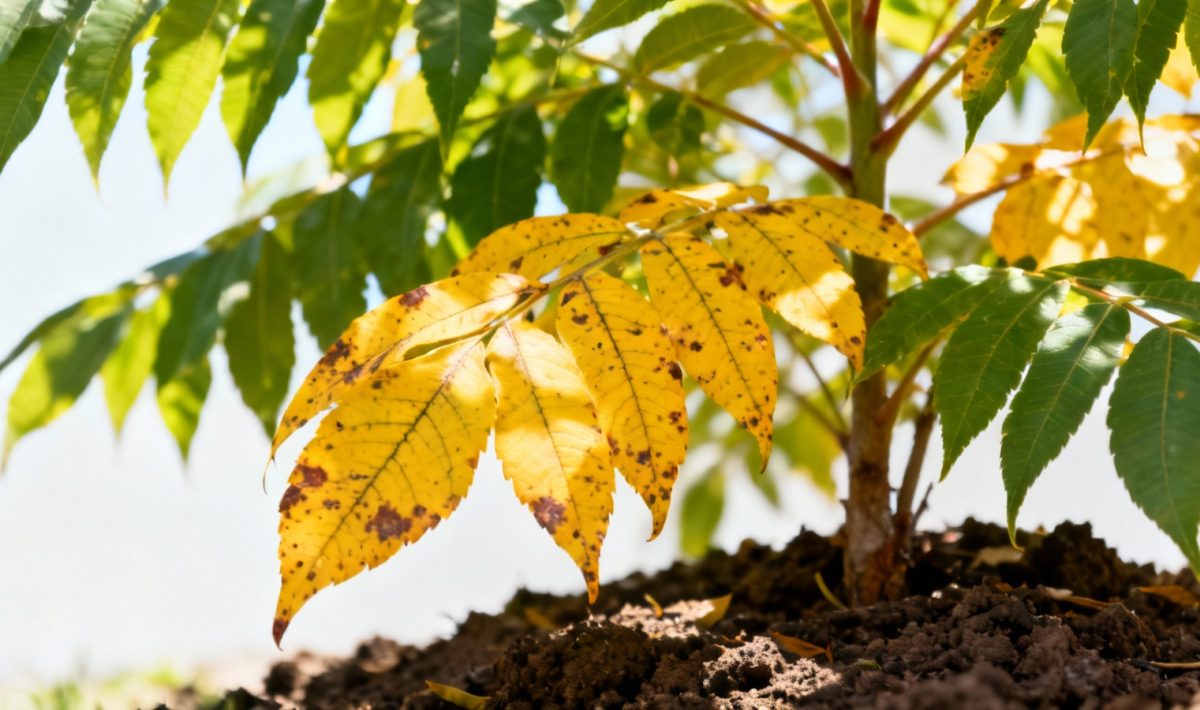
Why are my staghorn sumac leaves turning yellow – causes and solutions
If you’ve noticed your staghorn sumac’s vibrant leaves starting to turn yellow, you’re not alone in this concern. This hardy shrub, known for its stunning fall colors and distinctive appearance, can sometimes show signs of distress through yellowing foliage. Understanding why this happens is the first step toward restoring your plant’s health and ensuring it continues to thrive in your garden.
Staghorn sumac is typically a resilient plant, but several factors can cause its leaves to yellow prematurely. From soil conditions to watering issues, identifying the root cause will help you take the right action to bring your shrub back to its healthy state.
The staghorn sumac (Rhus typhina) is a remarkable shrub that can grow into a small tree, reaching heights of up to 25 feet. This plant is highly valued for its dramatic seasonal changes, producing clusters of red fruit and displaying brilliant orange and yellow fall colors. The leaves are compound, with multiple leaflets that create a feathery appearance, making them quite distinctive from other garden plants.
What makes staghorn sumac particularly appealing is its ability to thrive in poor soil conditions where other plants might struggle. However, this doesn’t mean it’s immune to problems. The shrub naturally goes through seasonal changes, but when yellow leaves appear outside of autumn, it’s usually a sign that something needs attention.
During its normal growing season, staghorn sumac should display lush green foliage. The plant produces small white flowers in dense clusters during summer, followed by the characteristic red berries that persist through winter. Understanding these natural cycles helps you distinguish between normal seasonal changes and actual health issues.
✅ Quick Checklist
Is the soil too wet or too dry?
Is the plant getting 6+ hours of sunlight daily?
Have you fertilized in the last 2 months?
Are there visible pests under the leaves?
Does the pot have adequate drainage?
🔥 FREE
📱
Diagnose your plant in one click!
AI instant diagnosis • Personalized solutions • 50,000+ species
One of the most common reasons for yellow leaves in staghorn sumac is improper watering. Both overwatering and underwatering can stress the plant and cause foliage to turn yellow. Overwatering is particularly problematic because it can lead to root rot, which prevents the roots from absorbing nutrients properly.
Staghorn sumac prefers well-draining soil and can actually tolerate drought conditions better than most plants. If your soil stays consistently wet, especially around the base of the tree, this could be the culprit behind your yellowing leaves. Check the soil moisture by inserting your finger about two inches deep – it should feel slightly moist but not soggy.
Soil and drainage problems
Poor drainage is often linked to watering issues but deserves special attention. Staghorn sumac naturally grows in rocky, well-draining soils in the wild. When planted in heavy clay soil or areas where water pools, the roots can become waterlogged and begin to decline.
Additionally, soil pH can affect nutrient uptake. While staghorn sumac is quite adaptable, extremely alkaline soils can make certain nutrients unavailable to the plant. A soil test can help you determine if pH adjustments are needed to improve your shrub’s health.
Nutrient deficiencies
Yellow leaves can also indicate nutrient deficiencies, particularly nitrogen deficiency. This often shows up as yellowing that starts with older, lower leaves and gradually moves upward. Similarly, issues affecting other plants, like the reasons for yellowing papaya leaves, can sometimes share common nutritional causes.
Iron deficiency is another possibility, especially in alkaline soils. This typically causes yellowing between leaf veins while the veins themselves remain green – a condition called chlorosis. Magnesium deficiency can also cause similar symptoms, though it usually affects older leaves first.
Pest and disease issues
While staghorn sumac is generally resistant to most pests and diseases, certain issues can still arise. Scale insects, aphids, and spider mites can sometimes infest the plant, causing stress that manifests as yellowing leaves. Check the undersides of leaves for small insects or webbing.
Fungal diseases, though less common, can also cause leaf yellowing. These are usually accompanied by spots, wilting, or other visible signs of disease. Good air circulation and avoiding overhead watering can help prevent most fungal issues.
Solutions and treatments
Improving drainage and soil conditions
If poor drainage is the issue, consider amending the soil around your staghorn sumac with coarse sand, perlite, or small gravel to improve water flow. You might also create a raised planting area or install drainage tiles if the problem is severe.
For heavy clay soils, adding organic matter like compost can help improve both drainage and soil structure. Work amendments into the soil around the drip line of the shrub, being careful not to damage surface roots.
Adjusting watering practices
Establish a watering routine that provides deep, infrequent watering rather than frequent shallow watering. During dry periods, water your staghorn sumac thoroughly once or twice a week, allowing the soil to dry slightly between waterings.
Mulching around the base of the plant can help maintain consistent soil moisture while also suppressing weeds. Use organic mulch like shredded bark or leaves, keeping it a few inches away from the trunk to prevent pest issues.
Addressing nutrient deficiencies
If you suspect nutrient deficiency, a balanced, slow-release fertilizer applied in early spring can help. For iron deficiency, consider using an iron chelate fertilizer specifically designed for alkaline soils. Much like addressing causes of yellow cabbage leaves, proper fertilization often resolves yellowing issues quickly.
However, be careful not to over-fertilize, as staghorn sumac doesn’t require rich soil to thrive. A light application of compost or well-aged manure in spring is often sufficient to provide necessary nutrients.
✅ Quick Checklist
Is the soil too wet or too dry?
Is the plant getting 6+ hours of sunlight daily?
Have you fertilized in the last 2 months?
Are there visible pests under the leaves?
Does the pot have adequate drainage?
🔥 FREE
📱
Diagnose your plant in one click!
AI instant diagnosis • Personalized solutions • 50,000+ species
The best approach to preventing yellow leaves is establishing good growing conditions from the start. Plant your staghorn sumac in a location with full sun to partial shade and well-draining soil. This hardy shrub can adapt to various soil types but performs best when drainage is adequate.
Regular monitoring is key to catching problems early. Walk around your staghorn sumac weekly during the growing season, looking for changes in leaf color, signs of pests, or other issues. Early intervention is always more effective than waiting until problems become severe.
Pruning can also help maintain plant health by improving air circulation and removing any damaged or diseased branches. The best time to prune staghorn sumac is in late winter or early spring before new growth begins.
When to seek professional help
While many yellowing leaf issues can be resolved with proper care, sometimes professional intervention is necessary. If you’ve tried adjusting watering, improving drainage, and addressing potential nutrient issues without seeing improvement after several weeks, consider consulting a local arborist or extension office.
Additionally, if you notice rapid yellowing accompanied by wilting, branch dieback, or other severe symptoms, these could indicate serious disease or pest problems that require professional diagnosis and treatment.
Remember that staghorn sumac is naturally very resilient, and most yellowing leaf issues can be resolved with proper care and patience. By understanding your plant’s needs and providing appropriate growing conditions, you can enjoy this beautiful shrub’s dramatic seasonal display for many years to come.
Allan is a lifelong gardening enthusiast who still gets excited when the first seedlings pop up in spring. With a deep love for nature and a hands-in-the-soil approach, he shares practical tips, plant discoveries, and clever tricks picked up over years of digging, planting, and observing. Whether you’re a new gardener or have a shed full of tools, Allan writes like a neighbor who’s always happy to swap cuttings and stories over the fence.
You can find more about Allan’s work on Malt or connect with him on LinkedIn.