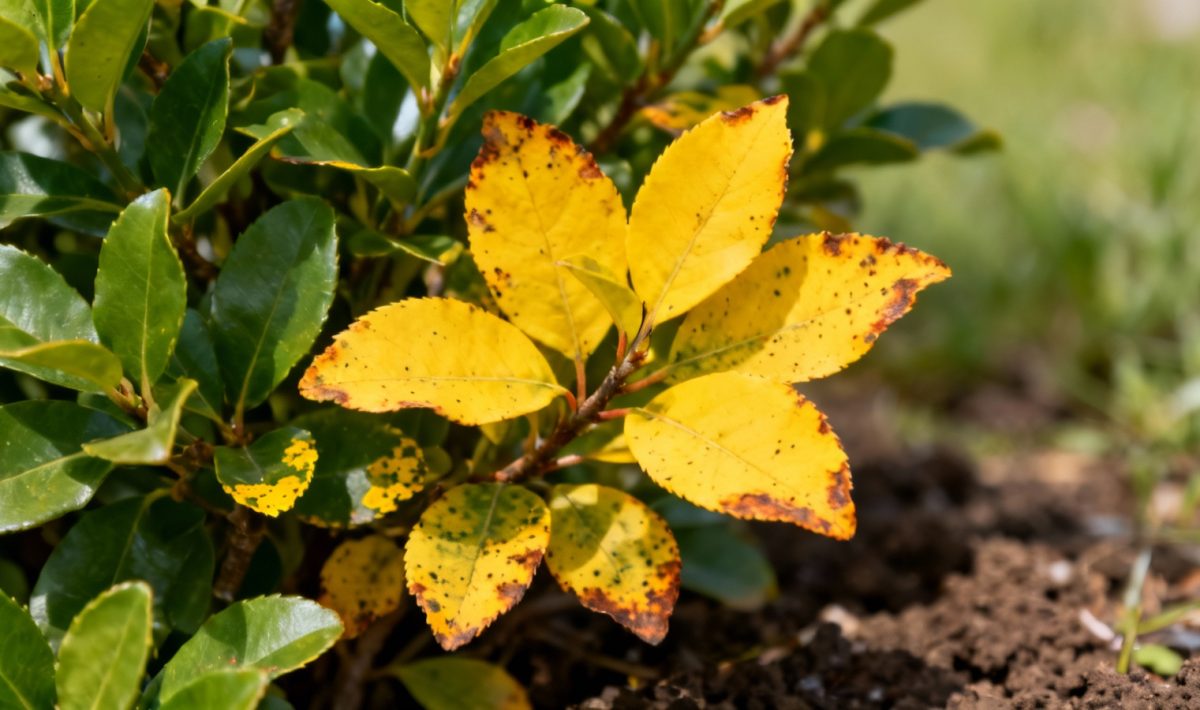
Understanding the main reasons for yellow leaves on your burning bush
When you notice your burning bush leaves turning yellow, it can be quite concerning. This vibrant shrub, known for its stunning fall colors, shouldn’t display yellow foliage during the growing season. The good news is that most causes are treatable once you identify the underlying problem.
Yellow leaves on burning bush plants typically indicate stress from environmental factors, care issues, or diseases. Understanding these causes will help you take the right steps to restore your plant’s health and prevent future problems.
✅ Quick Checklist
Is the soil too wet or too dry?
Is the plant getting 6+ hours of sunlight daily?
Have you fertilized in the last 2 months?
Are there visible pests under the leaves?
Does the pot have adequate drainage?
🔥 FREE
📱
Diagnose your plant in one click!
AI instant diagnosis • Personalized solutions • 50,000+ species
The most common reason for yellow leaves on burning bush plants is improper watering. Both overwatering and underwatering can stress your plant and cause the leaves to turn yellow before dropping off.
Overwatering creates waterlogged soil conditions that prevent roots from getting enough oxygen. When roots can’t breathe properly, they begin to rot, which prevents the plant from absorbing nutrients efficiently. You’ll notice the yellow leaves often start from the bottom of the plant and work their way up.
On the other hand, underwatering causes the plant to conserve water by dropping older leaves. The yellowing typically begins with the oldest leaves and may be accompanied by wilting or crispy edges. Your burning bush needs consistent moisture but not soggy conditions.
To fix watering issues, check the soil moisture by inserting your finger about two inches deep. The soil should feel slightly moist but not wet. Water deeply when the top inch feels dry, and ensure your plant has good drainage.
Nutrient deficiencies affecting leaf color
Yellow leaves can also indicate that your burning bush isn’t getting the nutrients it needs. Nitrogen deficiency is particularly common and causes yellowing to start with older, lower leaves that may eventually drop off.
When plants lack nitrogen, they move this mobile nutrient from older leaves to support new growth. This process leaves the older foliage yellow and weak. You might also notice slower growth and smaller leaves on your plant.
Iron deficiency causes a different pattern of yellowing called chlorosis. With iron deficiency, the leaves turn yellow while the veins remain green, creating a distinctive striped appearance. This often occurs in alkaline soils where iron becomes less available to plants.
To address nutrient deficiencies, apply a balanced fertilizer in early spring and mid-summer. For iron deficiency, use an iron chelate or adjust soil pH to make iron more available. Many plant yellowing issues are similar across different species, as explained in why papaya leaves may turn yellow.
Environmental stress factors
Environmental conditions play a huge role in your burning bush’s health. Sudden changes in temperature, light exposure, or humidity can shock the plant and trigger yellowing leaves.
Too much direct sunlight during hot summer days can scorch leaves, causing them to turn yellow and brown. While burning bush plants prefer full sun, they may need some afternoon shade in extremely hot climates. Conversely, insufficient light can also cause yellowing as the plant struggles to photosynthesize effectively.
Wind damage, frost, or extreme heat waves can also stress your plant. When plants are stressed, they often drop leaves as a survival mechanism. This is particularly common when burning bush plants are newly transplanted and haven’t established their root systems yet.
Similarly, other garden plants face comparable stress responses, and you can find detailed information about environmental factors in reasons for yellow cabbage leaves.
Disease and pest issues
Several diseases can cause yellow leaves on burning bush plants. Fungal infections like root rot, leaf spot, or powdery mildew often start with yellowing foliage before progressing to other symptoms.
Root rot, usually caused by overly wet conditions, prevents the plant from absorbing water and nutrients properly. The leaves turn yellow and may wilt even when the soil is moist. You might also notice a musty smell around the base of the plant.
Pests like spider mites, aphids, or scale insects can also cause yellowing by sucking plant juices from leaves and stems. Check the undersides of yellow leaves for tiny insects or webbing that might indicate pest problems.
For disease prevention, ensure good air circulation around your plant and avoid overhead watering. Remove affected leaves promptly and dispose of them in the trash, not the compost pile.
✅ Quick Checklist
Is the soil too wet or too dry?
Is the plant getting 6+ hours of sunlight daily?
Have you fertilized in the last 2 months?
Are there visible pests under the leaves?
Does the pot have adequate drainage?
🔥 FREE
📱
Diagnose your plant in one click!
AI instant diagnosis • Personalized solutions • 50,000+ species
Poor soil conditions can significantly impact your burning bush’s health. Compacted soil prevents proper root development and water movement, leading to stress and yellow leaves. Heavy clay soils that don’t drain well are particularly problematic.
Burning bush plants prefer well-draining soil with good organic content. When soil stays too wet for extended periods, it creates anaerobic conditions that harm root systems. The roots can’t function properly, which affects the entire plant’s ability to absorb nutrients and water.
Soil pH also matters for nutrient availability. If your soil is too alkaline or acidic, certain nutrients become locked up and unavailable to your plant. Most burning bush varieties prefer slightly acidic to neutral soil with a pH between 6.0 and 7.0.
To improve soil conditions, add compost or other organic matter to enhance drainage and nutrient content. You can also create raised beds or mounds to improve drainage in areas with heavy clay soil.
Preventing yellow leaves through proper care
Prevention is always better than treatment when it comes to plant health. Establishing a consistent care routine will help keep your burning bush healthy and reduce the likelihood of yellow leaves developing.
Water your burning bush deeply but infrequently, allowing the soil to dry slightly between waterings. During hot summer months, you may need to water more frequently, but always check soil moisture first. Mulching around the base helps retain moisture and regulate soil temperature.
Fertilize your burning bush in early spring with a balanced, slow-release fertilizer. Avoid over-fertilizing, which can cause rapid growth that’s more susceptible to problems. A second light application in mid-summer can support healthy growth through the season.
Regular monitoring of your plant will help you catch problems early. Look for changes in leaf color, growth patterns, or signs of pests during your weekly garden visits. Early intervention is key to maintaining plant health.
When to seek professional help
Sometimes yellow leaves indicate serious problems that require professional intervention. If you’ve addressed watering, fertilizing, and environmental factors but yellow leaves persist or worsen, it may be time to consult a local extension office or certified arborist.
Persistent yellowing accompanied by other symptoms like wilting, stunted growth, or unusual leaf spots might indicate disease issues that need specific treatment. Professional diagnosis can help identify problems you might miss and recommend appropriate treatments.
Don’t hesitate to take photos of affected leaves and bring soil samples when seeking professional advice. This information helps experts make accurate diagnoses and treatment recommendations for your specific situation.
Allan is a lifelong gardening enthusiast who still gets excited when the first seedlings pop up in spring. With a deep love for nature and a hands-in-the-soil approach, he shares practical tips, plant discoveries, and clever tricks picked up over years of digging, planting, and observing. Whether you’re a new gardener or have a shed full of tools, Allan writes like a neighbor who’s always happy to swap cuttings and stories over the fence.
You can find more about Allan’s work on Malt or connect with him on LinkedIn.