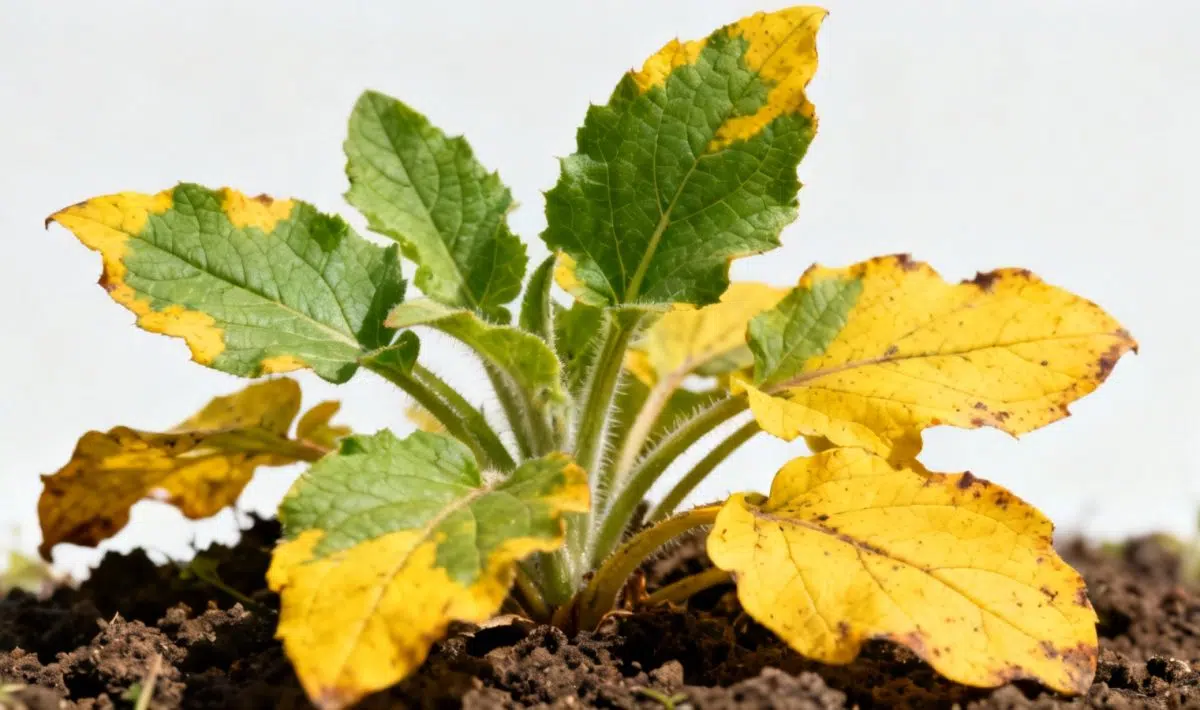
Why are my common borage leaves turning yellow – causes and care solutions
Common borage yellowing can be quite frustrating when you’re eager to harvest those beautiful blue flowers and nutritious leaves. Well, the good news is that most yellowing issues are completely fixable once you understand what’s causing the problem. From watering mishaps to seasonal changes, several factors can turn your vibrant green borage into a sad yellow mess.
Common borage is a hardy annual that grows easily from seed and thrives with minimal care when conditions are right. This Mediterranean herb can reach up to 3 feet tall with bright blue star-shaped flowers that bloom from early summer through fall. The plant originates from southern Europe and has been popular among gardeners for centuries due to its culinary and medicinal uses.
Borage prefers well-draining soil with plenty of organic matter and can tolerate partial shade, though it performs best in full sun. The plant has a taproot that goes deep, which means it doesn’t like being transplanted once established. Understanding these basic characteristics helps explain why certain care mistakes lead to yellowing leaves.
✅ Quick Checklist
Is the soil too wet or too dry?
Is the plant getting 6+ hours of sunlight daily?
Have you fertilized in the last 2 months?
Are there visible pests under the leaves?
Does the pot have adequate drainage?
🔥 FREE
📱
Diagnose your plant in one click!
AI instant diagnosis • Personalized solutions • 50,000+ species
The most common reason for yellowing borage leaves is improper watering, which can manifest in two different ways. Overwatering creates waterlogged soil conditions that suffocate the roots and prevent them from absorbing nutrients properly. When roots can’t breathe, they start to rot, and the first sign you’ll notice is yellowing leaves that feel soft and mushy.
On the flip side, underwatering causes the plant to go into survival mode, shutting down non-essential functions like maintaining older leaves. The plant will sacrifice lower, older leaves first to preserve energy for new growth. You’ll notice the soil pulling away from container edges and leaves feeling crispy rather than soft.
To fix watering issues, check the soil moisture by inserting your finger 2 inches deep. The soil should feel slightly moist but not soggy. During hot summer months, you might need to water daily, while spring and fall require less frequent watering. Always water deeply but less often to encourage strong root development.
Nutrient deficiencies and soil problems
Poor soil nutrition is another major culprit behind yellowing borage leaves. Nitrogen deficiency typically shows up as yellowing that starts with older, lower leaves and gradually moves upward. The yellowing is usually uniform across the entire leaf, and growth may appear stunted compared to healthy plants.
Magnesium deficiency presents differently, with yellowing that begins between the leaf veins while the veins themselves remain green. This creates a distinctive striped appearance that’s easy to identify once you know what to look for. Iron deficiency causes similar symptoms but typically affects newer, upper leaves first.
To address nutrient problems, start with a balanced organic fertilizer applied according to package directions. Fish emulsion or compost tea work particularly well for borage, providing gentle nutrition that won’t burn the roots. For quick fixes, foliar feeding with diluted liquid fertilizer can help the plant recover more rapidly.
Environmental stress factors
Temperature extremes can shock borage plants into dropping or yellowing leaves as a protective mechanism. While borage tolerates cool spring temperatures well, sudden heat waves or unexpected late frosts can cause significant stress. Similarly, plants that don’t receive adequate sunlight may develop yellow, spindly growth as they stretch toward available light sources.
Poor air circulation around plants can also contribute to yellowing, especially in humid conditions where fungal problems thrive. When plants are crowded together or grown in enclosed spaces without good airflow, they become more susceptible to various diseases that manifest as yellowing leaves.
Many of these environmental issues are similar to issues with common mallow leaves, where proper spacing and adequate growing conditions make all the difference. Ensuring your borage has plenty of space to grow and access to morning sunlight will prevent many stress-related problems.
Disease and pest management
Several fungal diseases can cause yellowing in borage plants, particularly in wet, humid conditions. Downy mildew and powdery mildew are the most common culprits, creating yellow spots that eventually spread across entire leaves. These diseases thrive when water sits on leaves for extended periods, especially during cooler temperatures.
Pest damage can also lead to yellowing, though it’s less common with borage since the plant’s fuzzy leaves deter many insects. Aphids occasionally attack young growth, sucking plant juices and causing leaves to yellow and curl. Spider mites may appear during hot, dry periods, creating tiny yellow stipples across leaf surfaces.
The best prevention strategy involves proper plant spacing for good air circulation and avoiding overhead watering that keeps leaves wet. If problems do arise, removing affected leaves promptly and applying organic fungicides or insecticidal soap can help control issues before they spread throughout the plant.
Seasonal yellowing and natural plant cycles
Not all yellowing indicates a problem that needs fixing. Borage naturally goes through seasonal changes, and some leaf yellowing is completely normal as the plant matures. Older, lower leaves typically yellow and drop off as the plant redirects energy into flower and seed production.
During late summer and fall, you might notice increased yellowing as the plant prepares to complete its annual life cycle. This is especially noticeable after the main flowering period when the plant focuses on setting seed for next year’s garden. Just like the reasons for hawthorn leaves yellowing often relate to natural seasonal transitions, borage follows predictable patterns throughout its growing season.
Understanding these natural cycles helps you distinguish between normal aging and actual problems that require intervention. As long as new growth appears healthy and the plant continues flowering, some yellowing of older leaves is nothing to worry about.
✅ Quick Checklist
Is the soil too wet or too dry?
Is the plant getting 6+ hours of sunlight daily?
Have you fertilized in the last 2 months?
Are there visible pests under the leaves?
Does the pot have adequate drainage?
🔥 FREE
📱
Diagnose your plant in one click!
AI instant diagnosis • Personalized solutions • 50,000+ species
The key to preventing yellowing leaves starts with proper site selection and soil preparation. Choose a location that receives at least 6 hours of direct sunlight daily and has well-draining soil. If your garden has heavy clay soil, consider adding compost or growing borage in raised beds to improve drainage.
Regular pruning and pincement help maintain plant health by removing diseased or damaged foliage before problems spread. Pinch off flower heads regularly if you want to keep harvesting tender leaves, or allow some flowers to develop for their culinary uses and to attract beneficial pollinators to your garden.
Mulching around plants helps maintain consistent soil moisture while suppressing weeds that compete for nutrients. Use organic mulches like straw or shredded leaves, keeping the material a few inches away from plant stems to prevent moisture-related fungal issues. With proper care and attention to these basic needs, your borage should remain healthy and productive throughout the growing season.
Allan is a lifelong gardening enthusiast who still gets excited when the first seedlings pop up in spring. With a deep love for nature and a hands-in-the-soil approach, he shares practical tips, plant discoveries, and clever tricks picked up over years of digging, planting, and observing. Whether you’re a new gardener or have a shed full of tools, Allan writes like a neighbor who’s always happy to swap cuttings and stories over the fence.
You can find more about Allan’s work on Malt or connect with him on LinkedIn.