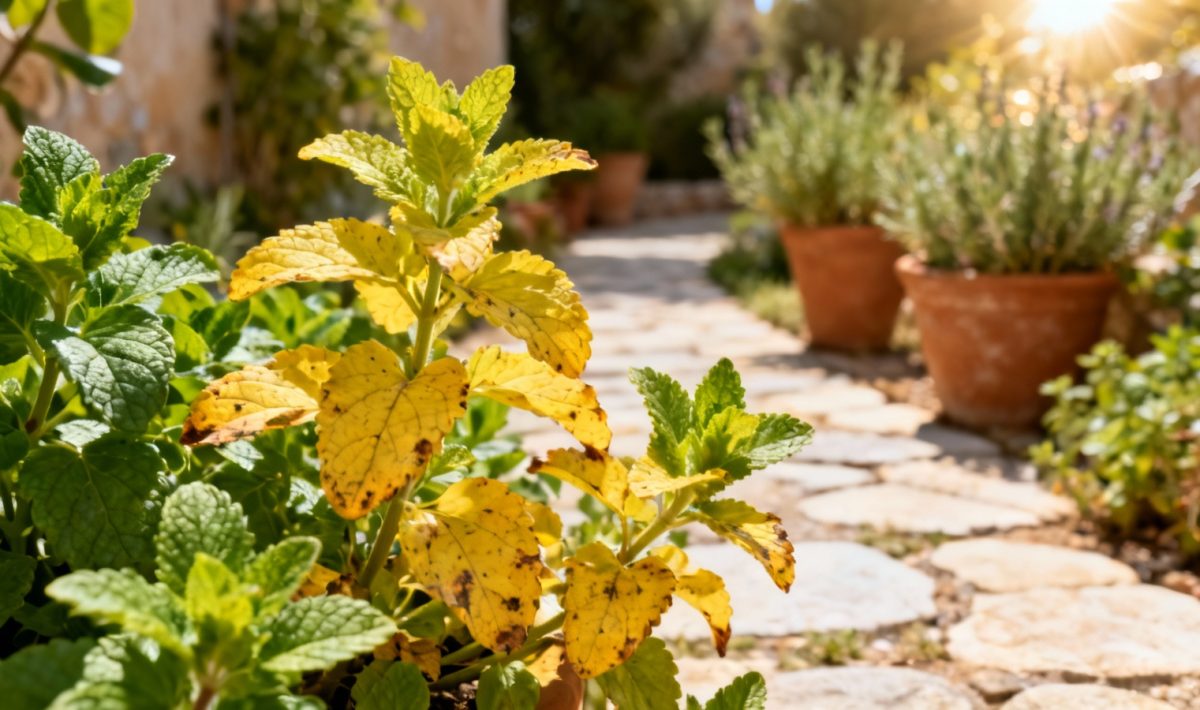
Why are my lemon balm leaves turning yellow – causes and mediterranean gardening tips
Nothing’s more frustrating than watching your beautiful lemon balm suddenly develop yellow leaves just when you’re getting excited about your summer herb garden. This mediterranean herb should be thriving with vibrant green foliage, but sometimes things don’t go as planned. Let me walk you through the most common reasons this happens and what you can actually do about it.
Lemon balm is a fantastic mediterranean herb that’s surprisingly easy to love once you understand its basic requirements. This fragrant plant originally comes from the mediterranean region, which tells us a lot about what it naturally craves. It’s part of the mint family, and like most herbs from this collection, it prefers well-draining soil and plenty of morning sun with some afternoon shade in very hot climates.
In its native environment, lemon balm grows wild in areas that get good drainage during winter months but consistent moisture during the growing season. The key is finding that sweet spot between too dry and too wet. When you visit any successful herb garden, you’ll notice that mediterranean plants like lemon balm are often grouped together because they share similar water and soil needs.
✅ Quick Checklist
Is the soil too wet or too dry?
Is the plant getting 6+ hours of sunlight daily?
Have you fertilized in the last 2 months?
Are there visible pests under the leaves?
Does the pot have adequate drainage?
🔥 FREE
📱
Diagnose your plant in one click!
AI instant diagnosis • Personalized solutions • 50,000+ species
Here’s the thing about water and lemon balm – it’s all about consistency. This herb doesn’t like to completely dry out, but it absolutely hates having wet feet for extended periods. When the soil stays too dry for too long, especially during hot summer months, the plant starts shutting down older leaves to conserve energy and water for new growth.
On the flip side, overwatering creates an entirely different set of problems that also lead to yellow leaves. When roots sit in waterlogged soil, they can’t breathe properly, and this oxygen deprivation quickly shows up as yellowing from the bottom of the plant upward. The leaves might feel soft and mushy rather than crisp.
For optimal care, water your lemon balm when the top inch of soil feels dry to the touch. In summer, this might mean watering every 2-3 days, while in winter, once a week is usually plenty. Good drainage is absolutely essential – if water pools on top of the soil after watering, you need to improve your soil mix or add some organic matter.
Light conditions and seasonal changes
Light plays a huge role in keeping lemon balm green and healthy. This mediterranean herb needs at least 6 hours of direct sunlight daily to maintain good color and vigorous growth. When plants don’t get enough light, they often respond by yellowing lower leaves as they redirect energy to the newer growth at the top.
However, in extremely hot climates or during intense summer heat, too much direct afternoon sun can actually stress the plant and cause leaf burn that starts as yellow patches. The ideal situation is morning sun with some protection from the harshest afternoon rays, especially in zones where temperatures regularly exceed 85°F.
Seasonal changes also affect leaf color naturally. As we move from summer into fall and winter, some yellowing of older leaves is completely normal. The plant is simply preparing for dormancy and reallocating resources. Don’t panic if you see some yellow leaves in late fall – this is just the plant’s natural cycle.
Nutrient deficiencies and soil health
Yellow leaves can signal several different nutrient issues, but nitrogen deficiency is probably the most common. When lemon balm doesn’t get enough nitrogen, older leaves turn yellow first while newer growth stays green. This is because the plant moves mobile nutrients from older leaves to support new growth.
A good quality compost or balanced organic fertilizer applied monthly during the growing season usually prevents most nutrient problems. I prefer organic options because they feed both the plant and the beneficial soil organisms that help with nutrient uptake. Just like other herb gardens benefit from rich, organic soil, lemon balm thrives when it has access to a steady supply of nutrients.
Soil pH also matters more than many people realize. Lemon balm prefers slightly alkaline conditions, around 6.0 to 7.5 pH. If your soil is too acidic, the plant can’t efficiently absorb nutrients even when they’re present, leading to deficiency symptoms including yellowing leaves.
Pests and diseases affecting leaf color
Several pests can cause yellowing in lemon balm, though this herb is generally quite resistant to problems. Aphids are probably the most common culprits – these tiny green or black insects cluster on new growth and leaf undersides, sucking plant juices and causing leaves to yellow and curl.
Spider mites become a problem in hot, dry conditions, especially when plants are stressed. You’ll notice fine webbing on leaves along with tiny yellow spots that gradually spread. These pests are particularly troublesome during extended dry spells in summer.
Fungal diseases like root rot or powdery mildew can also cause yellowing, though these usually come with other obvious symptoms. Root rot typically happens in poorly draining soils and shows up as yellowing from the bottom up, while powdery mildew creates a white, dusty coating on leaves before they turn yellow.
Similar yellowing issues can affect other herbs in your garden. For example, reasons for yellowing lemongrass leaves often stem from comparable water and light stress factors.
Environmental stress factors
Temperature fluctuations can really throw lemon balm for a loop, especially sudden changes that the plant can’t adapt to quickly. Late spring frosts, unexpected heat waves, or dramatic temperature swings between day and night can all trigger stress responses that show up as yellow leaves.
Wind damage is another often-overlooked factor. Strong, drying winds can dehydrate leaves faster than roots can replace the lost moisture, leading to yellowing and browning around leaf edges. If your garden is exposed to constant strong winds, consider providing some protection during the harshest weather.
Container-grown lemon balm faces additional challenges. Pots heat up and cool down much faster than garden soil, creating more temperature stress. They also dry out faster and may become rootbound more quickly, both of which contribute to leaf yellowing.
Interestingly, fruit trees and other perennial plants often show similar stress symptoms. Causes of yellowing pomegranate leaves demonstrate how environmental stress affects different plant types in comparable ways.
✅ Quick Checklist
Is the soil too wet or too dry?
Is the plant getting 6+ hours of sunlight daily?
Have you fertilized in the last 2 months?
Are there visible pests under the leaves?
Does the pot have adequate drainage?
🔥 FREE
📱
Diagnose your plant in one click!
AI instant diagnosis • Personalized solutions • 50,000+ species
Once you’ve identified what’s causing the yellowing, the fix is usually pretty straightforward. Start with the basics: check your watering routine and soil drainage. If the soil stays soggy, add some coarse sand or perlite to improve drainage, or consider moving container plants to a better-draining potting mix.
For nutrient issues, a monthly feeding with balanced organic fertilizer during spring and summer usually does the trick. Fish emulsion or compost tea work wonderfully and won’t burn the delicate herb foliage like synthetic fertilizers sometimes can.
If pests are the problem, start with the gentlest solutions first. A strong spray of water often dislodges aphids effectively, while insecticidal soap handles more stubborn infestations. For spider mites, increasing humidity around the plant and ensuring adequate water helps prevent future problems.
Regular maintenance goes a long way toward preventing yellowing leaves. Remove any obviously diseased or damaged foliage promptly, and don’t be afraid to harvest frequently – lemon balm actually grows better with regular cutting. Pinch flowers before they form to keep the plant focused on producing those fragrant leaves you’re after.
With consistent care and attention to these key factors, your lemon balm should bounce back quickly and provide you with abundant, healthy green foliage throughout the growing season. Remember that some yellowing is perfectly normal as plants age and seasons change, so don’t worry about every single yellow leaf – focus on the overall health and vigor of your plant.
Allan is a lifelong gardening enthusiast who still gets excited when the first seedlings pop up in spring. With a deep love for nature and a hands-in-the-soil approach, he shares practical tips, plant discoveries, and clever tricks picked up over years of digging, planting, and observing. Whether you’re a new gardener or have a shed full of tools, Allan writes like a neighbor who’s always happy to swap cuttings and stories over the fence.
You can find more about Allan’s work on Malt or connect with him on LinkedIn.