
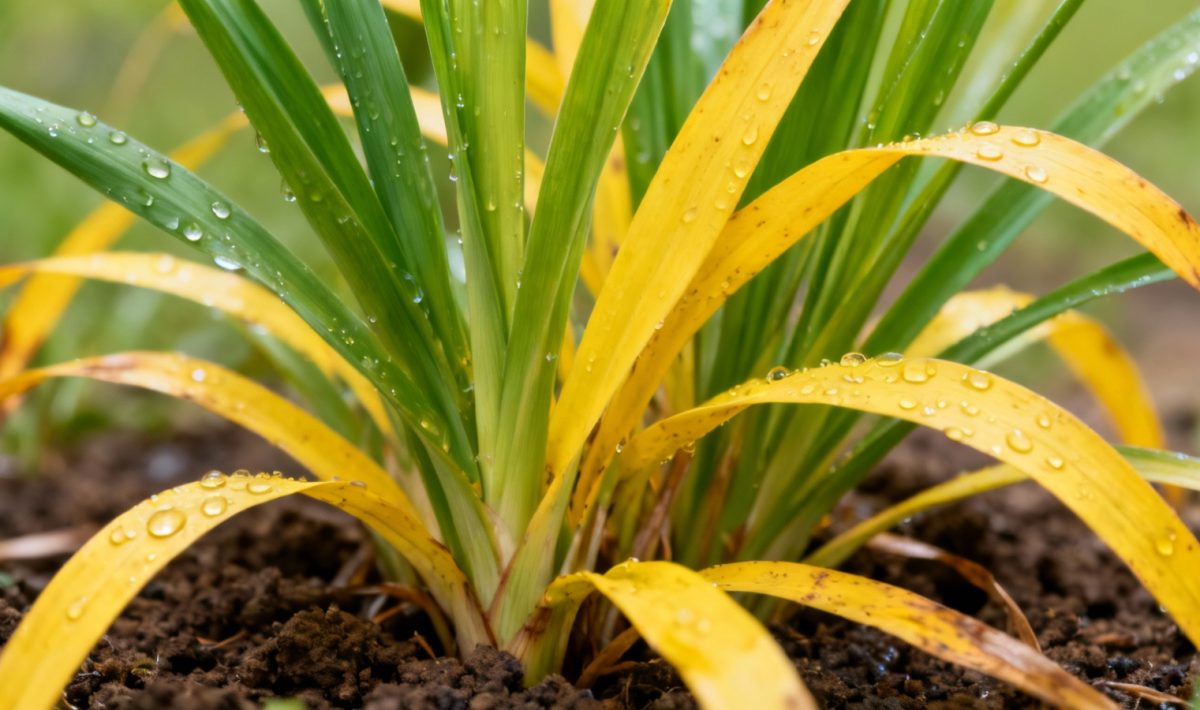
Nothing’s more frustrating than watching your beautiful lemon grass develop yellow leaves when you’ve been caring for it diligently. This aromatic herb, beloved for its culinary uses and essential oil properties, can sometimes show signs of distress through yellowing foliage. Understanding why are my lemon grass leaves turning yellow is the first step toward nursing your plant back to vibrant health.
Yellow leaves on lemon grass are actually quite common and usually indicate that something in the plant’s environment needs adjustment. The good news is that most causes are easily fixable once you identify the root problem.
Understanding lemon grass and its growing needs
Lemon grass belongs to the grass family and thrives in warm, tropical conditions. This principal characteristic means it has specific requirements that differ from many other herbs you might grow. The plant naturally grows in regions with consistent warmth and humidity, making it somewhat particular about its care.
In its native habitat, lemon grass enjoys full sun exposure, well-draining soil, and regular moisture. When we try to replicate these conditions in our gardens or homes, small deviations can quickly manifest as yellow leaves. The plant’s area of origin gives us valuable clues about what it needs to stay healthy.
✅ Quick Checklist
- Is the soil too wet or too dry?
- Is the plant getting 6+ hours of sunlight daily?
- Have you fertilized in the last 2 months?
- Are there visible pests under the leaves?
- Does the pot have adequate drainage?
Diagnose your plant in one click!
AI instant diagnosis • Personalized solutions • 50,000+ species
Common watering problems causing yellow leaves
Watering issues are the most frequent culprits behind yellowing lemon grass leaves. Both overwatering and underwatering can cause similar symptoms, making diagnosis tricky for gardeners. The key lies in understanding how water affects the plant’s root system and overall health.
Overwatering creates soggy soil conditions that prevent roots from accessing oxygen. When roots can’t breathe properly, they begin to rot, and the plant can’t absorb nutrients effectively. This stress manifests as yellowing leaves, starting from the bottom of the plant and working upward. The soil will feel consistently wet, and you might notice a musty smell near the base.
Conversely, underwatering stresses the plant in a different way. When soil becomes too dry, the plant conserves energy by letting older leaves turn yellow and drop off. You’ll notice the soil pulling away from the container edges, and the leaves might feel crispy or brittle to the touch.
To fix watering problems, check soil moisture by inserting your finger about 2 inches deep. The soil should be moist but not waterlogged. Water deeply when the top inch feels dry, allowing excess water to drain completely from the bottom of containers.
Light and temperature factors
Inadequate lighting is another principal cause of yellow leaves in lemon grass. This sun-loving plant requires at least 6-8 hours of direct sunlight daily to maintain its vibrant green color. When light levels drop, the plant begins to sacrifice older leaves to conserve energy for new growth.
Indoor lemon grass often struggles with insufficient light, especially during winter months. Pale yellow leaves starting from the bottom of the plant typically indicate this problem. Moving the plant to a brighter location or supplementing with grow lights can resolve the issue within a few weeks.
Temperature stress also contributes to yellowing leaves. Lemon grass prefers consistent temperatures between 65-80°F (18-27°C). Sudden temperature drops, especially below 50°F (10°C), can shock the plant and cause rapid leaf yellowing. Cold drafts from windows or air conditioning vents can create localized stress even when ambient temperatures seem appropriate.
Many gardeners face similar challenges with other herbs. For instance, understanding yellowing pomegranate leaves can provide additional insights into how environmental stress affects different plants in comparable ways.
Nutrient deficiencies and feeding issues
Nutrient deficiencies often manifest as yellow leaves, with different patterns indicating specific lacking elements. Nitrogen deficiency is most common, causing older leaves to yellow uniformly while newer growth remains green. This typically occurs when plants have exhausted soil nutrients or haven’t been fertilized recently.
Iron deficiency presents differently, with newer leaves turning yellow while veins remain green. This creates a distinctive striped appearance that’s easy to identify. Iron deficiency often occurs in alkaline soils or when plants can’t access iron due to overwatering.
Magnesium deficiency causes yellowing between leaf veins, starting with older leaves and progressing upward. This deficiency is common in container plants that have been growing in the same soil for extended periods without fresh nutrients.
A balanced liquid fertilizer applied every 2-3 weeks during the growing season (spring through august) usually prevents most nutrient problems. Choose a fertilizer with equal parts nitrogen, phosphorus, and potassium, plus micronutrients including iron and magnesium.
Fungal diseases can cause yellowing leaves, particularly when combined with brown spots, wilting, or unusual odors. Root rot from overwatering creates ideal conditions for harmful fungi that attack the plant’s vascular system. Affected plants often show yellowing leaves alongside stunted growth and a general decline in vigor.
Pest infestations also stress plants enough to cause yellowing. Spider mites, aphids, and scale insects feed on plant juices, weakening the plant’s overall health. Look for tiny insects, webbing, or sticky residue on leaves and stems. These pests are particularly problematic in dry indoor environments or during hot summer months.
Regular inspection helps catch problems early. Check the undersides of leaves weekly, and quarantine any affected plants to prevent spread to other herbs. This proactive approach is useful for various aromatic plants, and similar principles apply when causes of yellow peppermint leaves need investigation.
✅ Quick Checklist
- Is the soil too wet or too dry?
- Is the plant getting 6+ hours of sunlight daily?
- Have you fertilized in the last 2 months?
- Are there visible pests under the leaves?
- Does the pot have adequate drainage?
Diagnose your plant in one click!
AI instant diagnosis • Personalized solutions • 50,000+ species
Prevention and recovery strategies
Preventing yellow leaves requires consistent care that addresses all the potential stress factors we’ve discussed. Start with proper drainage – whether growing in containers or garden beds, ensure water can escape freely. Container width should accommodate the plant’s spreading growth habit, with drainage holes at least 1/2 inch in diameter.
Establish a regular care routine that includes weekly soil moisture checks, monthly fertilizing during active growth periods, and seasonal adjustments for changing light conditions. This consistency helps plants maintain their health rather than struggling to recover from problems.
When recovery is necessary, be patient. Remove completely yellow leaves by cutting them at the base, as they won’t return to green. Focus energy on creating optimal conditions for new growth rather than trying to save damaged foliage. Most lemon grass plants recover within 4-6 weeks when their needs are properly met.
Remember that some yellowing is natural as plants age and cycle through their leaves. The key is distinguishing between normal aging and stress-related problems. Healthy plants typically show occasional yellowing of the oldest leaves while maintaining vigorous new growth and overall green appearance.
By addressing watering, lighting, nutrition, and pest issues promptly, your lemon grass can return to its characteristic bright green color and continue providing you with its wonderful culinary and aromatic benefits. The choice to invest time in proper care pays dividends in plant health and your gardening success.

Allan is a lifelong gardening enthusiast who still gets excited when the first seedlings pop up in spring. With a deep love for nature and a hands-in-the-soil approach, he shares practical tips, plant discoveries, and clever tricks picked up over years of digging, planting, and observing. Whether you’re a new gardener or have a shed full of tools, Allan writes like a neighbor who’s always happy to swap cuttings and stories over the fence.
You can find more about Allan’s work on Malt or connect with him on LinkedIn.


