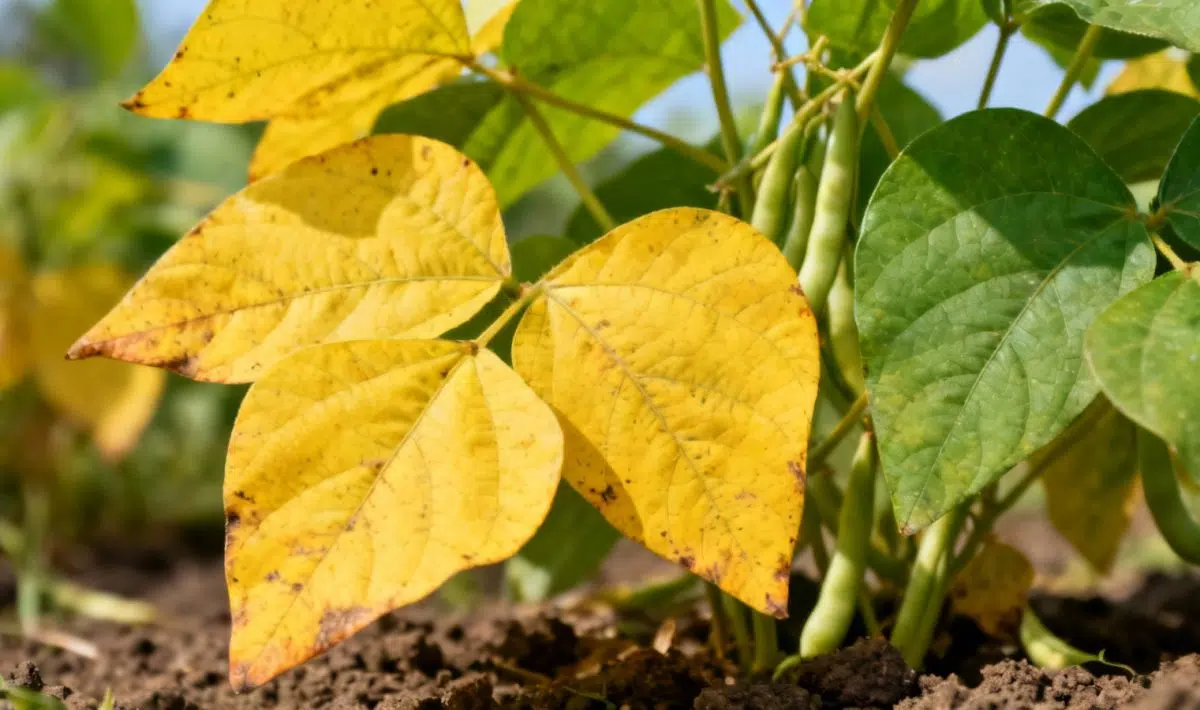
Why are my common bean leaves turning yellow – causes and solutions
Nothing’s more frustrating than watching your thriving bean plants suddenly develop yellow leaves. Whether you’re growing green beans, lima beans, or black beans, yellowing foliage can signal various issues that need immediate attention. Understanding why this happens is the first step toward getting your plants back to their vibrant, healthy state.
Yellow leaves on bean plants typically indicate stress from environmental factors, nutritional deficiencies, or pest problems. The good news? Most of these issues are completely fixable once you identify the root cause. Let’s dive into the most common reasons your bean leaves are turning yellow and how to address each one effectively.
Understanding proper light requirements for healthy bean plants
Bean plants are sun-loving crops that require at least six to eight hours of direct sunlight daily for optimal growth. When they don’t receive adequate light, the leaves begin to yellow as the plant struggles with photosynthesis. This is especially common when beans are grown in shaded areas or during cloudy seasons.
Insufficient light affects the plant’s ability to produce chlorophyll, the green pigment responsible for capturing sunlight and converting it into energy. Without enough light, older leaves typically yellow first as the plant redirects its limited resources to newer growth. If you notice yellowing starting from the bottom leaves and working upward, light deficiency might be your culprit.
To fix light-related yellowing, consider relocating container-grown beans to a sunnier spot. For garden-planted beans, you might need to trim nearby vegetation that’s creating shade. Remember that different bean varieties have slightly different light requirements, but most thrive in full sun conditions.
✅ Quick Checklist
Is the soil too wet or too dry?
Is the plant getting 6+ hours of sunlight daily?
Have you fertilized in the last 2 months?
Are there visible pests under the leaves?
Does the pot have adequate drainage?
🔥 FREE
📱
Diagnose your plant in one click!
AI instant diagnosis • Personalized solutions • 50,000+ species
Nutritional deficiencies are among the most frequent causes of yellow bean leaves. Nitrogen deficiency is particularly common and usually manifests as yellowing that starts with the oldest leaves at the bottom of the plant. This occurs because nitrogen is mobile within the plant, and when supplies are low, the plant moves nitrogen from older leaves to support new growth.
However, beans have a unique relationship with nitrogen. As legumes, they can fix atmospheric nitrogen through their root nodules, but this process takes time to establish. Young bean plants or those grown in poor soil conditions may struggle with nitrogen availability early in the growing season.
Iron deficiency presents differently, causing yellowing between leaf veins while the veins themselves remain green. This condition, called chlorosis, often occurs in alkaline soils where iron becomes less available to the plant. Similarly, yellowing patterns can indicate different issues – just as you might notice with common columbine leaf yellowing causes in other garden plants.
To address nutritional issues, test your soil pH first. Beans prefer slightly acidic to neutral soil with a pH between 6.0 and 7.0. If your soil is too alkaline, add sulfur or organic matter to lower the pH. For nitrogen-deficient plants, apply a balanced fertilizer, but avoid over-fertilizing as this can reduce bean production.
Water management and its impact on bean health
Both overwatering and underwatering can cause bean leaves to turn yellow, but the patterns differ. Overwatered beans typically develop yellow leaves that feel soft and may show brown spots or edges. The soil around overwatered plants stays consistently wet, and you might notice a musty smell indicating root rot.
Conversely, underwatered beans show yellowing that starts from the leaf tips and edges, often accompanied by wilting. The soil feels dry several inches down, and the plant appears stressed throughout the day, not just during the hottest hours.
Proper water management for beans involves maintaining consistent moisture without waterlogging. The soil should feel like a wrung-out sponge – moist but not soggy. During hot summer days, beans may need daily watering, while cooler periods might require watering only every few days.
Improve drainage in heavy clay soils by adding compost or creating raised beds. For sandy soils that dry out quickly, mulching around plants helps retain moisture. Remember that humidity levels also affect water uptake, so adjust your watering schedule based on weather conditions.
Temperature stress and seasonal factors
Bean plants are sensitive to temperature extremes, and both heat and cold stress can trigger leaf yellowing. During exceptionally hot periods, especially when temperatures exceed 85°F consistently, beans may experience heat stress that causes leaves to yellow and drop.
Cold stress is equally problematic. Bean plants are frost-tender and can suffer damage when temperatures drop below 50°F. Even without frost, cool temperatures slow growth and can cause yellowing as the plant’s metabolism slows down.
Seasonal changes also play a role. As the growing season progresses, older bean leaves naturally yellow and drop as the plant focuses energy on pod development. This is normal aging, not a sign of problems, especially if newer leaves remain green and healthy.
Protect beans from temperature stress by using row covers during cool periods and providing afternoon shade during extreme heat. Mulching helps moderate soil temperature, keeping roots cooler in summer and warmer during cool spells.
Disease and pest management for yellowing leaves
Several diseases and pests can cause bean leaves to yellow. Bacterial blight creates yellow patches that eventually turn brown, while fungal diseases like rust cause yellow spots with brown centers. These problems are more common during humid conditions or when leaves stay wet for extended periods.
Spider mites are tiny pests that cause yellowing by sucking plant juices. Look for fine webbing on leaf undersides and tiny moving specks. Aphids can also cause yellowing, especially when populations grow large. You might encounter similar pest-related yellowing patterns with other plants, such as common hornbeam leaf yellowing issues in your landscape.
Root diseases like fusarium wilt cause yellowing that starts with lower leaves and progresses upward. The plant may also show stunted growth and wilting despite adequate moisture. These soilborne diseases are particularly problematic in poorly drained soils.
Prevention is key for disease and pest management. Space plants adequately for air circulation, water at soil level rather than on leaves, and remove affected plant debris promptly. For pest problems, introduce beneficial insects or use insecticidal soap for severe infestations.
✅ Quick Checklist
Is the soil too wet or too dry?
Is the plant getting 6+ hours of sunlight daily?
Have you fertilized in the last 2 months?
Are there visible pests under the leaves?
Does the pot have adequate drainage?
🔥 FREE
📱
Diagnose your plant in one click!
AI instant diagnosis • Personalized solutions • 50,000+ species
Once you’ve identified the cause of yellowing, recovery usually takes one to two weeks with proper care. Remove severely yellowed leaves to redirect the plant’s energy toward healthy growth. However, don’t remove more than one-third of the foliage at once, as this can stress the plant further.
For nutrient-related issues, side-dress plants with compost or a balanced fertilizer. Water thoroughly after fertilizing to help nutrients reach the roots. If you suspect root damage from overwatering, reduce watering frequency and improve drainage before the next growing season.
Prevention strategies include proper site selection, soil preparation, and consistent care. Choose well-draining locations with full sun exposure. Amend soil with compost before planting to improve both drainage and nutrition. Establish a regular watering schedule based on weather conditions and soil type.
Monitor plants regularly for early signs of problems. Weekly inspections can catch issues before they become serious, making treatment more effective. Keep a garden journal to track patterns and identify recurring problems that might need long-term solutions.
Allan is a lifelong gardening enthusiast who still gets excited when the first seedlings pop up in spring. With a deep love for nature and a hands-in-the-soil approach, he shares practical tips, plant discoveries, and clever tricks picked up over years of digging, planting, and observing. Whether you’re a new gardener or have a shed full of tools, Allan writes like a neighbor who’s always happy to swap cuttings and stories over the fence.
You can find more about Allan’s work on Malt or connect with him on LinkedIn.