
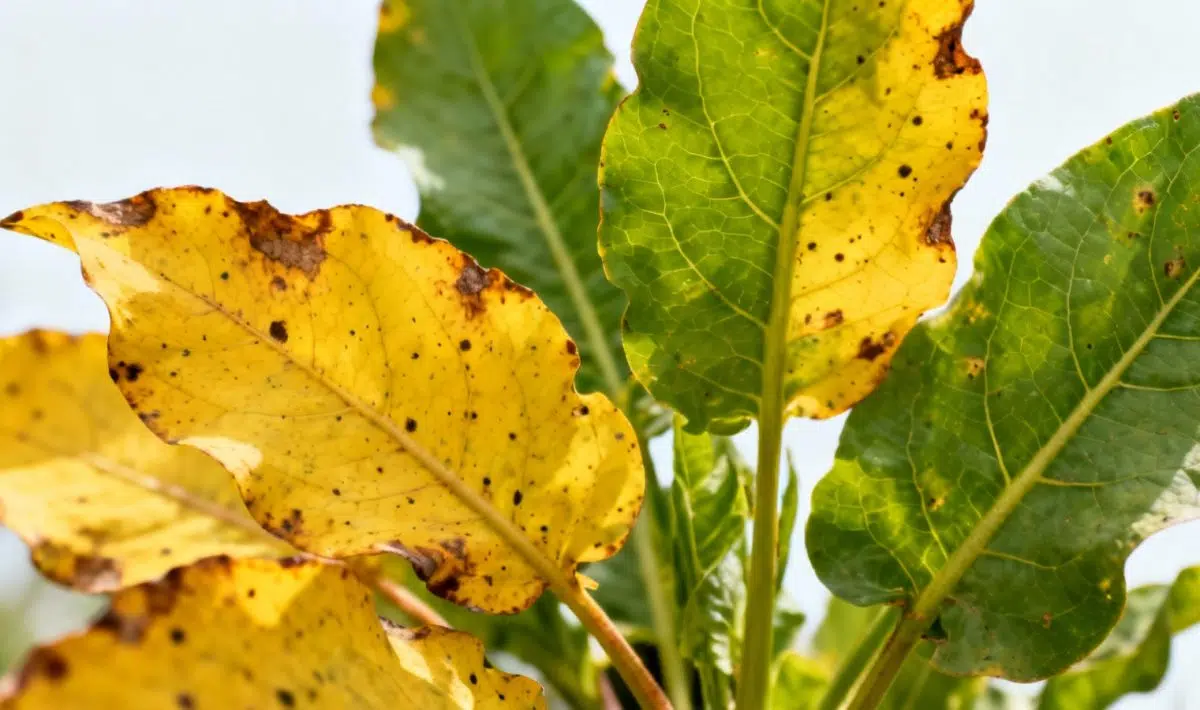
When you notice your common plantain leaves starting to turn yellow, it’s natural to feel concerned about your plant’s health. This yellowing, known as chlorosis, can stem from various factors ranging from simple environmental stress to more complex nutritional deficiencies. Understanding the root cause is essential for implementing the right solution and getting your plantain back to its vibrant green state.
Yellow leaves on plantain don’t always signal a serious problem, but they do indicate that something in your plant’s environment or care routine needs attention. The good news is that most causes are easily correctable once you identify what’s affecting your plant’s wellbeing.
Environmental factors affecting your plantain health
Environmental stress is one of the most common reasons why plantain leaves turn yellow. These hardy plants are quite adaptable, but sudden changes or extreme conditions can still cause them distress. Temperature fluctuations, improper lighting, and watering issues are the primary culprits you should investigate first.
Temperature and sunlight exposure
Common plantains prefer moderate temperatures and can struggle when exposed to extreme heat or cold. When temperatures soar above 85°F (29°C) for extended periods, the plant may respond by yellowing its older leaves to conserve energy and water. Similarly, sudden cold snaps can shock the plant and cause similar symptoms.
Regarding sunlight, plantains are quite flexible and can grow in both full sun and partial shade. However, if your plant has been in shade and you suddenly move it to intense direct sunlight, the leaves may yellow from sun stress. Gradual acclimation over 7-10 days helps prevent this shock.
✅ Quick Checklist
- Is the soil too wet or too dry?
- Is the plant getting 6+ hours of sunlight daily?
- Have you fertilized in the last 2 months?
- Are there visible pests under the leaves?
- Does the pot have adequate drainage?
Diagnose your plant in one click!
AI instant diagnosis • Personalized solutions • 50,000+ species
Watering problems and drainage issues
Both overwatering and underwatering can cause yellowing in plantain leaves, though the patterns differ slightly. Overwatered plants typically show yellowing that starts with the lower, older leaves and progresses upward. The soil will feel consistently soggy, and you might notice a musty smell from the roots.
Underwatering creates a different pattern where leaves may yellow and become crispy around the edges before falling off. The soil will be dry several inches down, and the plant may appear wilted even after watering. Proper drainage is crucial – plantains need moist but not waterlogged soil.
Nutritional deficiencies and plant health
Nutrient deficiencies are another major cause of yellowing plantain leaves. These plants aren’t particularly demanding, but they do need certain essential nutrients to maintain their green color and overall health. Nitrogen deficiency is the most common culprit, but other nutrients can also play a role.
Nitrogen deficiency symptoms
Nitrogen deficiency typically manifests as yellowing that begins with the oldest leaves at the bottom of the plant and gradually moves upward. This happens because the plant redirects nitrogen from older leaves to support new growth. The yellowing is usually uniform across the leaf surface, and the affected leaves may eventually drop off completely.
To address nitrogen deficiency, you can apply a balanced fertilizer with a higher nitrogen content (the first number in the N-P-K ratio). Organic options like compost, fish emulsion, or blood meal work well and release nutrients slowly over time. Apply fertilizer every 4-6 weeks during the growing season.
Other essential nutrients
Iron deficiency causes a distinctive yellowing pattern where leaf veins remain green while the tissue between them turns yellow. This condition, called iron chlorosis, often occurs in alkaline soils where iron becomes less available to plants. Adding chelated iron or adjusting soil pH can help resolve this issue.
Magnesium deficiency creates yellowing that starts between the leaf veins but typically affects older leaves first. Epsom salt (magnesium sulfate) dissolved in water makes an effective treatment – use 1 tablespoon per gallon of water and apply monthly during the growing season.
Various diseases and pests can also cause yellowing in plantain leaves. While these plants are generally quite resistant to problems, certain conditions can make them more susceptible to issues that affect their appearance and health.
Common fungal diseases
Fungal diseases often develop in conditions with poor air circulation, high humidity, and wet foliage. Leaf spot diseases can cause yellow halos around brown or black spots on the leaves. Root rot, caused by overwatering and poor drainage, can lead to widespread yellowing as the root system becomes compromised.
Prevention is key with fungal issues. Ensure good drainage, avoid overhead watering, and provide adequate spacing between plants for air circulation. If fungal disease is suspected, remove affected leaves promptly and consider applying a fungicide labeled for edible plants if the problem persists.
Pest infestations
Several insects can cause yellowing by feeding on plant juices or transmitting diseases. Aphids, spider mites, and thrips are common culprits that can stress plants enough to cause yellowing. These pests often prefer the undersides of leaves, so regular inspection is important.
Similar yellowing patterns can occur in other plants as well. For instance, causes of yellowing bean leaves often involve similar pest and disease issues. Natural predators like ladybugs and lacewings can help control pest populations, while insecticidal soap provides a gentle treatment option for severe infestations.
Soil quality and growing conditions
The quality of your soil plays a crucial role in plant health and can significantly impact whether your plantain leaves stay green or begin to yellow. Poor soil conditions can prevent proper nutrient uptake even when adequate fertilizer is present.
Soil pH and nutrient availability
Plantains prefer slightly acidic to neutral soil with a pH between 6.0 and 7.0. When soil pH is too high or too low, certain nutrients become less available to the plant, even if they’re present in the soil. This can lead to deficiency symptoms including yellowing leaves.
Testing your soil pH is simple with an inexpensive test kit from any garden center. If your pH is too high (alkaline), you can lower it gradually by adding organic matter like compost or peat moss. If it’s too low (acidic), adding lime can help raise the pH over time.
✅ Quick Checklist
- Is the soil too wet or too dry?
- Is the plant getting 6+ hours of sunlight daily?
- Have you fertilized in the last 2 months?
- Are there visible pests under the leaves?
- Does the pot have adequate drainage?
Diagnose your plant in one click!
AI instant diagnosis • Personalized solutions • 50,000+ species
Soil texture and drainage
Heavy clay soils can retain too much moisture and prevent proper root development, while sandy soils may drain too quickly and not retain enough nutrients. The ideal soil for plantains has good drainage while still retaining some moisture and nutrients.
Improving soil texture takes time but makes a significant difference in plant health. Adding compost, aged manure, or other organic matter helps clay soils drain better and helps sandy soils retain more nutrients and moisture. Aim to work in 2-3 inches of organic matter annually.
Prevention and long-term plant care
Preventing yellowing leaves is much easier than treating the problem after it occurs. Consistent care practices and regular monitoring can help you catch potential issues before they become serious problems affecting your plant’s health and appearance.
Establish a regular watering schedule that keeps the soil consistently moist but not soggy. Water deeply but less frequently rather than giving frequent shallow waterings. This encourages deep root development and makes plants more drought tolerant.
Monitor your plants regularly for early signs of stress, disease, or pest problems. Weekly inspections allow you to spot issues when they’re still easy to address. Look for changes in leaf color, unusual spots or markings, and any signs of insect activity. The same principles apply to many garden plants – reasons for yellowing sunflower leaves often involve similar care and monitoring practices.
Maintaining proper nutrition through regular fertilization during the growing season helps prevent many yellowing issues. Use a balanced fertilizer every 4-6 weeks from spring through early fall, reducing frequency in winter when growth naturally slows down.
Remember that some yellowing of older leaves is completely natural, especially as plants mature or prepare for dormancy. Focus on the overall health of your plant rather than worrying about every single yellow leaf. With proper care and attention, your common plantain should maintain its vibrant green color and continue thriving in your garden for years to come.

Allan is a lifelong gardening enthusiast who still gets excited when the first seedlings pop up in spring. With a deep love for nature and a hands-in-the-soil approach, he shares practical tips, plant discoveries, and clever tricks picked up over years of digging, planting, and observing. Whether you’re a new gardener or have a shed full of tools, Allan writes like a neighbor who’s always happy to swap cuttings and stories over the fence.
You can find more about Allan’s work on Malt or connect with him on LinkedIn.


