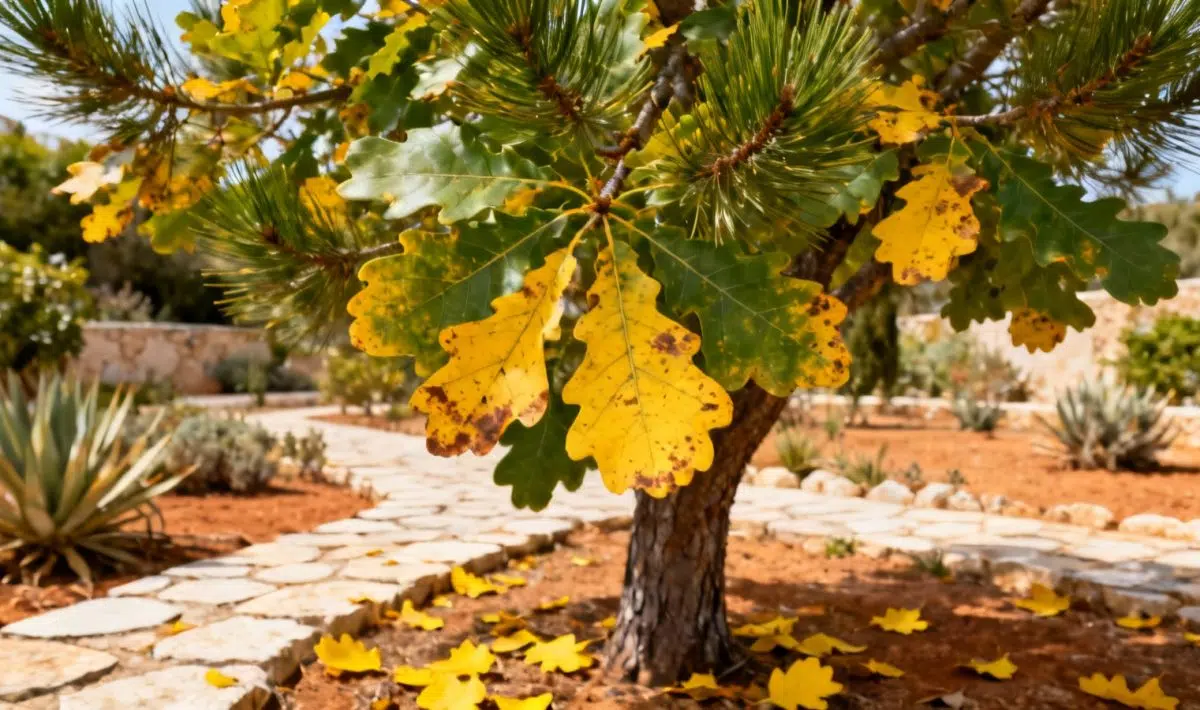
Why are my pin oak leaves turning yellow? Causes and solutions for Mediterranean gardens
Today I’m sharing with you everything you need to know about one of the most common concerns among Mediterranean garden enthusiasts. Pin oak leaves turning yellow can be quite alarming, but understanding the causes will help you restore your tree’s vibrant green foliage.
As someone who has spent countless days working with oak trees in various Mediterranean gardens, I can tell you that yellowing leaves are often a sign your tree is trying to communicate its needs. The good news is that with proper attention and care, you can address this issue effectively.
Understanding pin oak and its Mediterranean garden requirements
Pin oak (Quercus palustris) is a magnificent tree that can thrive in Mediterranean climates when given proper care. This beautiful oak species loves well-draining soil and requires consistent moisture, especially during the hot summer months when the sun can be particularly intense.
The key to success with pin oak lies in understanding its unique water requirements. Unlike some Mediterranean plants that prefer dry conditions, pin oak needs regular watering to maintain its lush green foliage. When the soil becomes too dry or too wet, the leaves will often turn yellow as the first sign of stress.
✅ Quick Checklist
Is the soil too wet or too dry?
Is the plant getting 6+ hours of sunlight daily?
Have you fertilized in the last 2 months?
Are there visible pests under the leaves?
Does the pot have adequate drainage?
🔥 FREE
📱
Diagnose your plant in one click!
AI instant diagnosis • Personalized solutions • 50,000+ species
Common environmental factors causing yellow leaves
Mediterranean gardens present unique challenges with their intense summer sun and varying moisture levels. One of the most common causes I’ve observed is inconsistent watering patterns. Pin oaks don’t like to be waterlogged, but they also struggle when the soil becomes bone dry.
Excessive heat and sun exposure can also stress your oak tree. While these trees love sunlight, in very hot Mediterranean climates, they may need some afternoon shade protection. The intense summer heat can cause rapid water loss through the leaves, leading to yellowing and eventual leaf drop.
Poor soil drainage is another culprit I frequently encounter in Mediterranean gardens. When water sits around the roots for too long, it can cause root rot, which manifests as yellowing leaves starting from the bottom of the tree and working upward.
Identifying common diseases and pests
Several diseases can cause pin oak leaves to turn yellow in Mediterranean climates. Chlorosis is perhaps the most common issue, often caused by iron deficiency in alkaline soils typical of Mediterranean regions. This condition causes leaves to turn yellow while the veins remain green.
Similar yellowing patterns can occur with other plants in your garden collection. For instance, you might notice reasons for yellowing pomegranate leaves following comparable patterns when environmental stress occurs.
Fungal infections such as anthracnose can also cause yellowing and browning of oak leaves. These diseases thrive in humid conditions, which can occur even in Mediterranean climates during certain seasons. Look for brown spots on leaves accompanied by yellowing edges.
Insect pests like scale insects and aphids can weaken your oak tree, causing stress that manifests as yellow leaves. These tiny creatures suck the life from your tree, and their presence often goes unnoticed until the damage becomes visible.
Effective solutions for healthy pin oak foliage
The first step in addressing yellow leaves is to establish a proper watering routine. Water your pin oak deeply but less frequently, allowing the top inch of soil to dry between waterings. During hot summer months, this might mean watering every 2-3 days.
Improving soil drainage is crucial for long-term health. If you have heavy clay soil common in many Mediterranean areas, consider adding organic matter like compost to improve drainage while retaining necessary moisture.
For iron chlorosis, apply iron chelate to the soil around your oak tree. This specialized fertilizer can help correct the yellowing caused by iron deficiency, which is particularly common in alkaline Mediterranean soils.
✅ Quick Checklist
Is the soil too wet or too dry?
Is the plant getting 6+ hours of sunlight daily?
Have you fertilized in the last 2 months?
Are there visible pests under the leaves?
Does the pot have adequate drainage?
🔥 FREE
📱
Diagnose your plant in one click!
AI instant diagnosis • Personalized solutions • 50,000+ species
Prevention is always better than cure when it comes to maintaining healthy oak trees. Regular fertilization with a balanced fertilizer in early spring can help prevent nutrient deficiencies that lead to yellowing leaves.
Mulching around your oak tree helps retain soil moisture and regulate soil temperature. Use organic mulch like wood chips or leaves, keeping it 3 inches away from the tree trunk to prevent pest issues.
Yellowing can affect various plants in your Mediterranean garden, and similar principles apply. You might find that causes of yellowing peppermint leaves share some environmental factors with your oak tree issues.
Monitor your tree regularly, especially during the hot summer months when stress is most likely to occur. Early detection of problems allows for quicker intervention and better outcomes.
When to seek professional help
If your pin oak continues to show yellowing leaves despite your best efforts, it may be time to consult with a certified arborist or extension service. Sometimes, soil testing can reveal specific nutrient deficiencies or pH issues that require professional treatment.
Persistent yellowing accompanied by branch dieback, unusual growth patterns, or signs of major pest infestations should be addressed by professionals who can provide targeted treatments and management strategies.
Remember, maintaining healthy oak trees in Mediterranean gardens requires patience and consistent care. With the right approach, your pin oak can once again display the beautiful green foliage that makes it such a prized addition to any garden collection.
Allan is a lifelong gardening enthusiast who still gets excited when the first seedlings pop up in spring. With a deep love for nature and a hands-in-the-soil approach, he shares practical tips, plant discoveries, and clever tricks picked up over years of digging, planting, and observing. Whether you’re a new gardener or have a shed full of tools, Allan writes like a neighbor who’s always happy to swap cuttings and stories over the fence.
You can find more about Allan’s work on Malt or connect with him on LinkedIn.