How much sunlight does Pin oak need for healthy growth
Pin oak trees are among the most popular shade trees for landscaping, but understanding their sunlight requirements is essential for successful cultivation. These magnificent trees have specific light needs that directly influence their growth rate, overall health, and distinctive appearance.
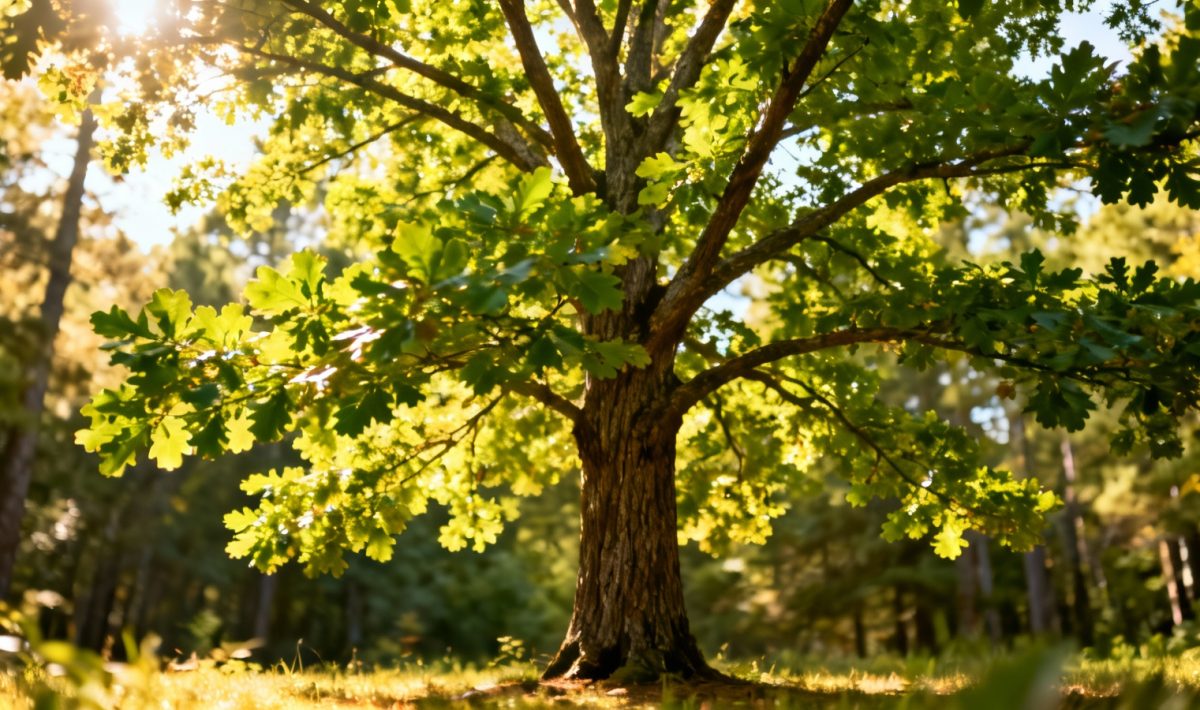
Pin oaks require at least 6 hours of direct sunlight daily to achieve optimal growth and development. This full sun exposure allows the tree to reach its maximum potential height of 60-90 feet with a spread of 40-60 feet. The tree’s natural habitat in wetland areas and flood plains has adapted it to open canopy conditions where abundant sunlight is available.
Direct sunlight is crucial for photosynthesis, which fuels the tree’s rapid growth rate and distinctive branching pattern. When pin oaks receive adequate sunlight, they develop their characteristic pyramidal shape with drooping lower branches that create an elegant landscape feature.
Growth performance under different light conditions
While pin oaks can tolerate partial shade, their performance significantly diminishes under these conditions. Trees grown in partial shade typically experience slower growth rates, reduced branch density, and may develop a more open canopy structure. The Morton Arboretum confirms that pin oaks achieving their full mature size of 60-70 feet tall require consistent full sun exposure throughout their development.
In shaded conditions, pin oaks often exhibit increased susceptibility to disease and pest problems. The reduced air circulation and moisture retention that occurs in shaded environments can promote fungal issues, particularly affecting the lower branches that are already naturally prone to die-back.
Mediterranean climate considerations
In mediterranean regions, pin oaks face unique challenges related to intense summer heat and prolonged dry periods. While these trees still require full sun, they may benefit from some afternoon protection during extreme heat waves. However, this should not compromise their overall daily sun exposure requirement.
The influence of mediterranean climate patterns means that pin oaks planted in these areas may need supplemental irrigation during drought periods, even when receiving optimal sunlight. This combination of adequate light and water ensures healthy growth throughout the year.
Seasonal light variations and tree health
Pin oaks demonstrate remarkable adaptability to seasonal changes in daylight hours and sun angle. During winter months, deciduous pin oaks naturally adjust their metabolic processes, requiring less intense light energy. However, consistent exposure to available winter sunlight helps maintain tree health and prepares the tree for spring growth.
Spring emergence is particularly important for pin oaks, as this is when new growth begins and energy reserves accumulated from the previous year’s photosynthesis are utilized. Trees that received adequate sunlight the previous growing season typically show more vigorous spring growth and better leaf development.
Companion planting and light management
When planning garden layouts around pin oaks, consider how other plants’ light requirements complement the tree’s needs. For instance, understanding sunlight requirements for catnip plants can help create layered plantings that don’t compete for the same light resources.
Similarly, if you’re developing a productive landscape, knowledge about optimal sunlight for wine grapes becomes valuable when positioning these plants in relation to your pin oak’s canopy spread over time.
Practical planting considerations
Site selection is crucial for pin oak success. Choose locations that receive morning sun exposure, as this helps dry dew quickly and reduces disease pressure. The area should maintain consistent light availability throughout most of the day, avoiding spots that become shaded by buildings or other large trees during peak growing hours.
Consider the tree’s mature size when selecting planting locations. Pin oaks can cover substantial areas once established, so ensure surrounding plants can tolerate the eventual shade the tree will create. Understanding light needs of woodland strawberries helps if you’re planning understory plantings for the future.
Monitoring and maintenance
Regular monitoring of your pin oak’s light exposure becomes important as surrounding vegetation grows or structures are added to your property. What starts as an optimal full-sun location may become partially shaded over time, requiring management decisions about pruning nearby plants or relocating other garden elements.
Young pin oaks are particularly sensitive to light competition. During their first few years, ensure that fast-growing plants don’t overshadow them. This attention to detail during establishment pays dividends in long-term tree health and growth rate.
Supporting healthy growth beyond sunlight
While sunlight forms the foundation of pin oak health, other factors work synergistically with light exposure. Proper soil drainage, adequate moisture during dry periods, and appropriate soil pH (slightly acidic to neutral) all support the tree’s ability to utilize available sunlight effectively.
When planning herb gardens near your pin oak, consider plants that can benefit from the tree’s eventual shade. Learning about sunlight for healthy garden thyme helps create sustainable planting combinations that work well together over time.
Long-term planning for optimal results
Pin oaks are long-term investments in your landscape, often living 60-70 years when properly sited and maintained. The initial decision about sunlight exposure will influence the tree’s entire lifespan, making careful site selection one of the most important factors in pin oak cultivation.
As these trees mature, they create their own microclimate beneath their canopy. This natural shade can be valuable for creating diverse garden areas, but the tree itself will always require that initial commitment to full sun exposure for healthy development and longevity.
Allan is a lifelong gardening enthusiast who still gets excited when the first seedlings pop up in spring. With a deep love for nature and a hands-in-the-soil approach, he shares practical tips, plant discoveries, and clever tricks picked up over years of digging, planting, and observing. Whether you’re a new gardener or have a shed full of tools, Allan writes like a neighbor who’s always happy to swap cuttings and stories over the fence.
You can find more about Allan’s work on Malt or connect with him on LinkedIn.