
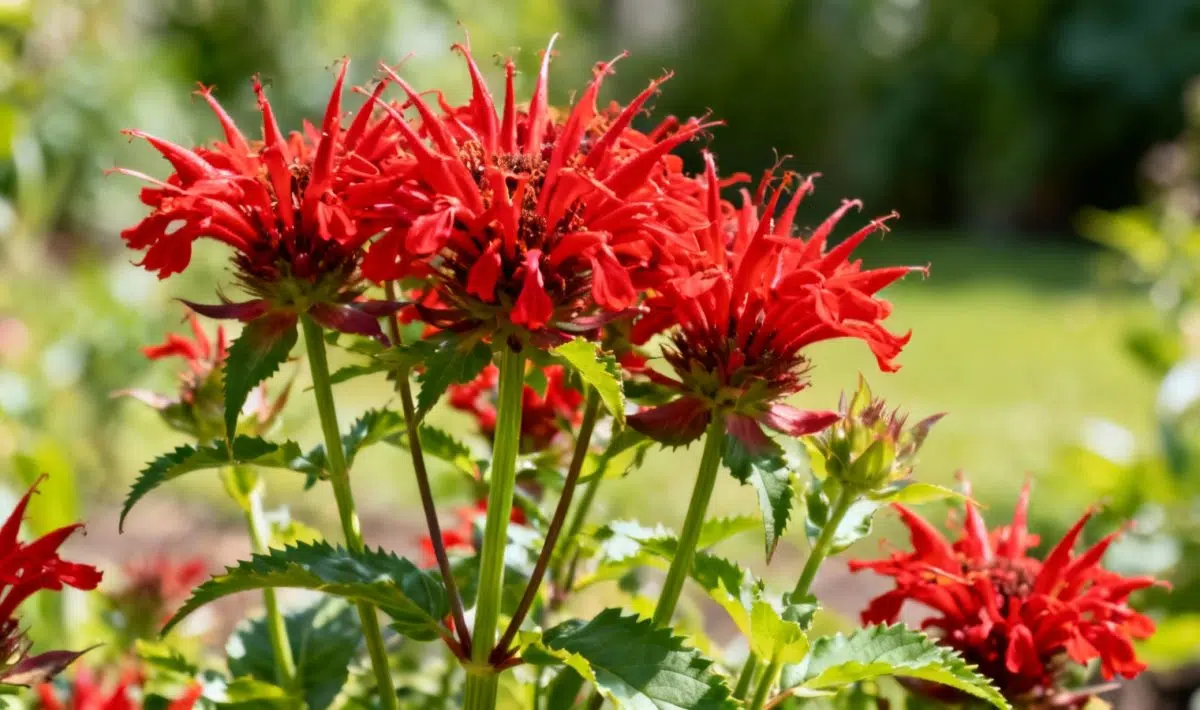
Scarlet beebalm, scientifically known as Monarda didyma, stands as one of the most captivating perennials for garden enthusiasts. This vibrant flowering plant attracts hummingbirds while providing aromatic foliage that gardeners cherish. Whether you’re a seasoned gardener or just starting your horticultural journey, understanding the proper care and cultivation techniques will help you grow this remarkable plant successfully.
Characteristics of Monarda didyma
Plant description and growth habits
Scarlet beebalm typically grows to heights of 2-4 feet, forming dense clumps that spread naturally through underground rhizomes. The plant produces striking tubular flowers in brilliant scarlet red, clustered in distinctive crown-shaped heads. These blooms appear from mid-summer through early fall, providing an extended flowering period that benefits both gardeners and pollinators.
The square stems characteristic of the mint family support opposite leaves that are lance-shaped and deeply serrated. These aromatic leaves release a distinctive minty fragrance when crushed, making them valuable for several culinary and medicinal purposes. This perennial nature means the plant returns year after year, establishing stronger root systems with each growing season.
Aromatic properties and uses
The leaves contain essential oils that provide natural mosquito-repelling properties while attracting beneficial insects like bees and butterflies. Historically, Native Americans used these leaves for herbal teas and medicinal preparations. Today, gardeners appreciate both the ornamental value and the practical benefits this aromatic plant brings to outdoor spaces.
Essential care requirements for Scarlet beebalm
Light and exposure needs
Monarda didyma thrives in full sun conditions, requiring at least 6 hours of direct sunlight daily for optimal flower production. While the plant tolerates partial shade, reduced light often results in fewer blooms and increased susceptibility to fungal diseases. Position your plants where morning sun can dry dew from leaves, preventing moisture-related issues that commonly affect this species.
In regions with intense afternoon heat, providing some protection during the hottest part of the day can prevent stress and maintain vibrant foliage. However, avoid locations with poor air circulation, as stagnant air encourages powdery mildew development on leaves.
Watering and moisture management
Consistent soil moisture remains crucial for healthy growth, particularly during flowering periods. The plant prefers moist, well-draining soil that never becomes waterlogged. Deep, infrequent watering encourages strong root development while preventing shallow root systems that struggle during dry periods.
During establishment, water newly planted specimens regularly until roots develop sufficiently. Mature plants demonstrate moderate drought tolerance once established, though consistent moisture promotes better flowering and prevents premature dormancy. Apply mulch around the base to retain soil moisture and regulate temperature fluctuations.
Soil preparation and requirements
Rich, organic soil provides the foundation for vigorous growth and abundant blooms. The ideal pH range falls between 6.0 and 7.0, though the plant adapts to slightly acidic or alkaline conditions. Incorporate compost or aged manure before planting to improve soil structure and nutrient content.
Ensure adequate drainage to prevent root rot, particularly in clay soils that retain excessive moisture. In heavy soils, consider creating raised beds or adding organic matter to improve drainage and soil texture. This preparation proves especially important in areas with wet winters or poor natural drainage.
Cultivation techniques and optimal growing conditions
Site selection and spacing
Choose locations that provide adequate space for the plant’s natural spreading habit. Space individual plants 18-24 inches apart to allow for proper air circulation and prevent overcrowding as clumps expand. This spacing also reduces competition for nutrients and water while minimizing disease pressure.
Consider the mature size when planning garden layouts, as established clumps can spread 2-3 feet wide. Plant in areas where the spreading nature won’t conflict with other garden plants or structures. For gardeners looking to create stunning displays similar to other flowering perennials, exploring care tips for oleander plants can provide additional insights into managing vigorous flowering plants.
Fertilization and nutrition
Apply balanced, slow-release fertilizer in early spring as new growth emerges. A 10-10-10 or similar balanced formulation provides essential nutrients for strong stem development and flower production. Avoid excessive nitrogen, which promotes lush foliage at the expense of blooms and increases susceptibility to diseases.
Supplement with compost annually to maintain soil organic matter and provide steady nutrition throughout the growing season. Side-dress established plants with compost in late spring for continued nutrition during the active growing period.
Pruning and maintenance
Regular deadheading extends the blooming period and prevents unwanted self-seeding in garden areas. Remove spent flower heads just above the next set of leaves to encourage additional flowering. Cut back entire plants to 2-3 inches in late fall or early spring before new growth begins.
Divide overcrowded clumps every 3-4 years to maintain vigor and prevent center die-out. This maintenance also provides new plants for expanding your garden or sharing with fellow gardeners who appreciate aromatic perennials.
Propagation methods for Scarlet beebalm
Division techniques
Division represents the most reliable method for propagating Monarda didyma while maintaining the exact characteristics of parent plants. Perform division in early spring as shoots emerge or in fall after flowering concludes. Dig entire clumps and separate into sections, ensuring each division includes both roots and shoots.
Use sharp, clean tools to minimize damage and disease transmission. Plant divisions immediately at the same depth as the original plant, watering thoroughly to eliminate air pockets around roots. This method typically produces blooming plants within the same growing season.
Seed starting and germination
Growing from seed offers an economical way to establish large plantings, though plants may vary slightly from parent specimens. Collect seeds from dried flower heads in fall, storing them in cool, dry conditions until spring planting. Cold stratification for 30-60 days improves germination rates significantly.
Start seeds indoors 8-10 weeks before the last frost date, using well-draining seed starting mix. Maintain consistent moisture and temperatures around 65-70°F for optimal germination. Transplant seedlings outdoors after hardening off and when soil temperatures warm sufficiently. Just as caring for Philodendron ‘Birkin’ requires attention to specific growing conditions, successful seed propagation demands patience and proper environmental control.
Common problems and solutions
Disease management
Powdery mildew represents the most common issue affecting Scarlet beebalm, particularly in humid conditions or crowded plantings. Improve air circulation through proper spacing and avoid overhead watering to reduce disease pressure. Choose resistant cultivars when available, as breeding programs have developed varieties with improved disease resistance.
Rust and leaf spot occasionally affect plants grown in persistently wet conditions. Remove affected foliage promptly and improve growing conditions to prevent disease spread. Organic fungicides can provide additional protection during particularly wet seasons.
Pest control strategies
Few serious pests trouble healthy Monarda didyma plants, though spider mites may appear during hot, dry periods. Maintain adequate soil moisture and humidity to discourage mite infestations. Beneficial insects naturally control most pest populations when diverse plantings support ecological balance.
The aromatic properties that make this plant valuable actually deter many common garden pests. This natural resistance makes Scarlet beebalm an excellent companion plant for vegetables and other susceptible species. For gardeners dealing with challenging growing conditions, understanding care guidelines for Monstera obliqua can provide insights into managing plants with specific environmental needs.
Companion planting and garden integration
Scarlet beebalm pairs beautifully with other native perennials that share similar growing requirements. Consider combining with purple coneflower, black-eyed Susan, and wild bergamot for extended bloom periods and diverse wildlife attraction. These combinations create naturalistic plantings that support pollinators while reducing maintenance requirements.
The bold red flowers contrast effectively with plants featuring blue or purple blooms, creating striking color combinations. White flowering companions provide elegant contrast while yellow blooms create warm, vibrant displays. For additional inspiration in creating diverse garden displays, exploring growing Southern magnolia effectively can offer ideas for incorporating trees with distinctive flowering characteristics.
Seasonal care calendar
Spring activities include cutting back old growth, applying fertilizer, and dividing overcrowded clumps as new shoots emerge. This timing allows plants to establish strong root systems before summer heat arrives. Early spring also provides opportunities for transplanting and establishing new plantings.
Summer maintenance focuses on consistent watering, deadheading spent blooms, and monitoring for pest or disease issues. The extended flowering period requires ongoing attention to maintain attractive displays. Regular observation during this active period helps identify and address problems before they become serious.
Fall preparation includes seed collection, final deadheading, and planning for next year’s garden expansion. Leave some seed heads for wildlife if desired, though remove them before spring to prevent excessive self-seeding. Winter protection rarely proves necessary in appropriate growing zones, though mulching helps regulate soil temperatures. Much like tips for Hardy fuchsia care emphasize seasonal adaptation, successful Scarlet beebalm cultivation requires understanding the plant’s changing needs throughout the year.
For gardeners interested in expanding their knowledge of flowering plants with similar care requirements, exploring how to care for Capsicum annuum provides valuable insights into managing plants that thrive with consistent moisture and full sun exposure, principles that apply well to Monarda didyma cultivation.

Allan is a lifelong gardening enthusiast who still gets excited when the first seedlings pop up in spring. With a deep love for nature and a hands-in-the-soil approach, he shares practical tips, plant discoveries, and clever tricks picked up over years of digging, planting, and observing. Whether you’re a new gardener or have a shed full of tools, Allan writes like a neighbor who’s always happy to swap cuttings and stories over the fence.
You can find more about Allan’s work on Malt or connect with him on LinkedIn.


