
Understanding Scarlet Beebalm and Its Growing Needs
Scarlet beebalm stands out as one of the most striking plants you can grow in your garden. How much sunlight does scarlet beebalm need to thrive? The answer lies in understanding this beautiful perennial’s natural preferences for full sun exposure.
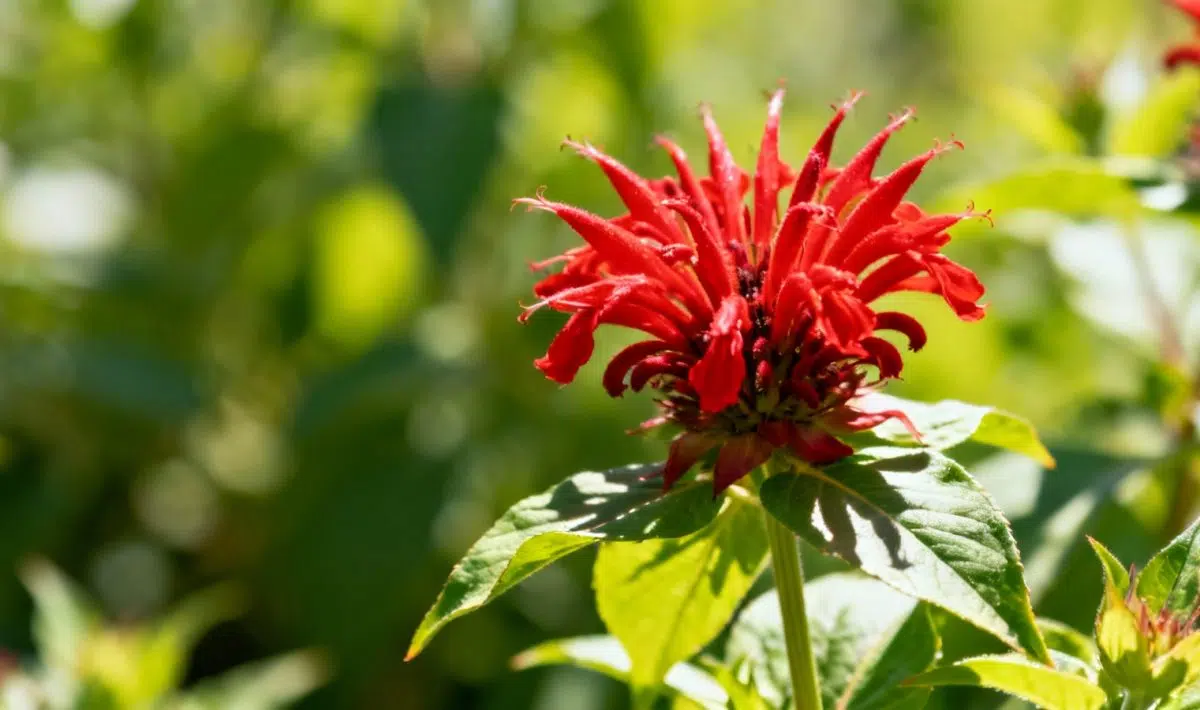
This vibrant plant produces stunning red flowers that create a spectacular display throughout the growing season. The flowers are tubular and clustered, creating dense heads that attract hummingbirds and butterflies with their bright scarlet color. These characteristics make scarlet beebalm an excellent choice for gardeners seeking both beauty and ecological benefits.
The plant type belongs to the Monarda family, known for their aromatic foliage and long blooming time. When grown from quality seeds, these plants establish themselves as reliable perennials that return year after year. They can reach heights of 3 to 4 feet, making them ideal for middle or back borders in garden beds.
Optimal Sun Requirements for Healthy Growth
Scarlet beebalm thrives best with at least 6 hours of direct sunlight daily. This full sun exposure ensures robust growth and abundant flowering throughout the summer months. Plants grown in optimal conditions develop strong stems and produce the most vibrant flower displays.
In regions with intense summer heat, partial afternoon shade can actually benefit the plant. However, morning sun remains essential for proper photosynthesis and healthy development. The key is finding the right balance between adequate light and protection from excessive heat stress.
When plants receive insufficient sunlight, several problems can arise. Poor light conditions often result in weak, leggy growth and reduced flowering. Additionally, inadequate sun exposure can make plants more susceptible to fungal diseases, particularly powdery mildew which thrives in humid, shaded conditions.
Comparing Light Needs Across Plant Types
Understanding how different plants handle sunlight can help you create better garden designs. For instance, when examining sunlight requirements for potatoes, you’ll find they need similar full sun conditions for optimal tuber development.
Similarly, herbs like those discussed in guides about coriander sunlight needs also prefer bright, direct light for the best flavor development. This pattern holds true across many garden plants – adequate sunlight typically correlates with better growth and productivity.
Seasonal Considerations and Care Tips
Spring represents the best time for planting scarlet beebalm seeds or transplants. During this season, the moderate temperatures and increasing daylight hours create ideal conditions for establishment. Young plants need consistent moisture and full sun to develop strong root systems before summer heat arrives.
Summer care requires attention to both light and water needs. While the plant craves full sun, it also needs consistent soil moisture during hot weather. Regular watering becomes especially important when plants are grown in containers, where soil dries out more quickly than in garden beds.
The flowering period typically extends from mid-summer through early fall, provided plants receive adequate sunlight. Deadheading spent flowers encourages continued blooming and prevents unwanted self-seeding. This practice also helps maintain the plant’s attractive appearance throughout the growing season.
Growing in Containers vs. Garden Beds
Container growing offers flexibility in managing sun exposure, much like when growing Arabian jasmine successfully requires careful positioning. Pots can be moved to optimize light conditions throughout the day or season.
However, container-grown plants require more frequent watering and feeding. The restricted root space means they depend entirely on you for nutrients and moisture. Choose containers at least 12 inches deep to accommodate the plant’s root system and ensure proper drainage to prevent root rot.
Maximizing Growth and Flowering Success
Soil quality plays a crucial role alongside proper sun exposure. Well-draining soil with good organic content supports healthy root development and nutrient uptake. Amend heavy clay soils with compost or other organic matter to improve drainage and soil structure.
Regular fertilization during the growing season helps maintain vigorous growth and abundant flowering. A balanced, slow-release fertilizer applied in spring typically provides adequate nutrition for the entire season. Avoid over-fertilizing with nitrogen, which can promote excessive foliage growth at the expense of flowers.
Proper spacing between plants ensures good air circulation, which reduces disease pressure. Plant scarlet beebalm 18 to 24 inches apart to allow for mature size and adequate airflow. This spacing also ensures each plant receives sufficient sunlight without shading its neighbors.
Managing Light for Different Garden Situations
Gardeners dealing with varying light conditions can learn from other sun-loving plants. Those exploring ideal sunlight for tree aeonium will find similar strategies apply to many perennials requiring full sun exposure.
In mixed borders, position scarlet beebalm where it won’t be shaded by taller plants. Consider the mature size of surrounding plants when planning your garden layout. Trees and large shrubs can create unexpected shade patterns as they grow, potentially affecting established perennials.
Troubleshooting Common Growing Problems
Insufficient flowering often indicates inadequate sunlight or poor soil conditions. Plants grown in too much shade typically produce fewer, smaller flower clusters. Moving container plants or transplanting garden specimens to sunnier locations usually resolves this issue within a growing season.
Powdery mildew represents the most common disease problem, especially in humid climates or shaded conditions. Good air circulation and morning sun help dry dew quickly, reducing disease pressure. Remove affected foliage promptly and consider fungicidal treatments if problems persist.
Leggy growth suggests either insufficient light or overly rich soil. While adequate nutrition supports healthy growth, excessive nitrogen can cause plants to become tall and weak. Pinching growing tips in early summer encourages bushier growth and more flower production.
Learning from Other Sun-Loving Plants
Observing how different plants handle varying light conditions provides valuable insights. For example, understanding crown of thorns light needs demonstrates how some plants adapt to different light levels while maintaining their beauty.
Even plants like those discussed regarding optimal sunlight for green foxtail show how proper light management affects overall plant health and vigor across diverse species.
Planning Your Scarlet Beebalm Garden
Successful cultivation begins with choosing quality seeds from reputable suppliers. Fresh, viable seeds ensure better germination rates and healthier plants. Always check customer reviews and supplier descriptions when purchasing to ensure you’re getting authentic scarlet beebalm varieties.
Consider the plant’s role in attracting beneficial insects and wildlife to your garden. The beautiful red flowers serve as magnets for hummingbirds, bees, and butterflies, making scarlet beebalm an excellent choice for pollinator gardens. This ecological benefit adds value beyond the plant’s ornamental appeal.
Plan for the plant’s spreading habit by allowing adequate space for natural expansion. Scarlet beebalm can form colonies through underground rhizomes, which many gardeners view as an advantage for filling larger areas. However, this characteristic requires management in smaller gardens or formal plantings.
With proper attention to sunlight requirements and basic care, scarlet beebalm rewards gardeners with months of vibrant color and wildlife activity. These hardy perennials establish themselves as garden staples, providing reliable beauty and ecological benefits year after year. Remember that full sun exposure remains the key to unlocking this plant’s full potential in your garden space.

Allan is a lifelong gardening enthusiast who still gets excited when the first seedlings pop up in spring. With a deep love for nature and a hands-in-the-soil approach, he shares practical tips, plant discoveries, and clever tricks picked up over years of digging, planting, and observing. Whether you’re a new gardener or have a shed full of tools, Allan writes like a neighbor who’s always happy to swap cuttings and stories over the fence.
You can find more about Allan’s work on Malt or connect with him on LinkedIn.


