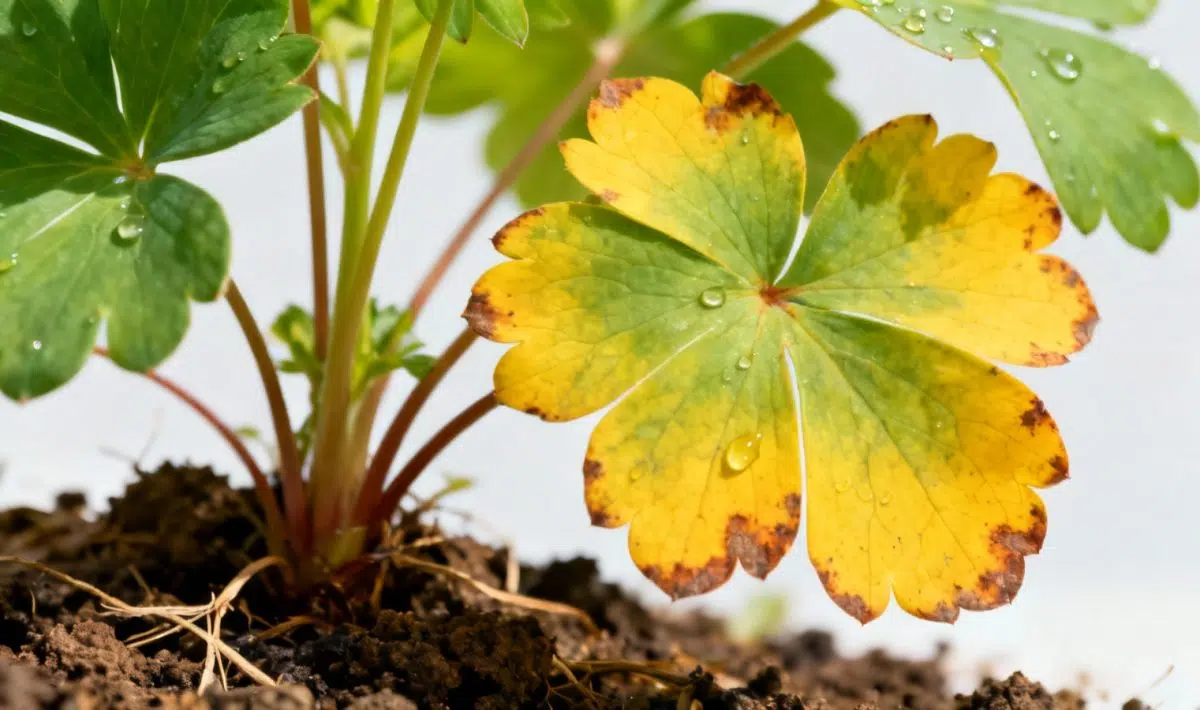
Why are my common columbine leaves turning yellow – causes and solutions
When you notice yellow leaves on your beloved columbine plant, it can be quite concerning. However, understanding what causes this common issue will help you address it effectively and restore your plant’s vibrant health.
Several factors could be responsible for your columbine’s declining appearance. The most frequent culprits include watering issues, nutrient deficiencies, natural aging, or pest problems. Identifying the specific cause will determine the best course of action for your plant.
Environmental stress factors
Overwatering remains the primary reason why columbine leaves turn yellow. When soil stays consistently wet, roots cannot access oxygen properly, leading to root rot and subsequent leaf discoloration. Conversely, underwatering also causes yellowing as the plant struggles to transport nutrients efficiently.
Light conditions play a crucial role in your plant’s health. Columbines prefer partial shade to full sun exposure, requiring at least six hours of sunlight daily. Too much direct sunlight can scorch leaves, while insufficient light weakens the plant’s ability to photosynthesize properly.
✅ Quick Checklist
Is the soil too wet or too dry?
Is the plant getting 6+ hours of sunlight daily?
Have you fertilized in the last 2 months?
Are there visible pests under the leaves?
Does the pot have adequate drainage?
🔥 FREE
📱
Diagnose your plant in one click!
AI instant diagnosis • Personalized solutions • 50,000+ species
Nitrogen deficiency often manifests as yellowing that starts with older, lower leaves first. Your columbine needs adequate nitrogen for healthy foliage development. Additionally, poor soil drainage can prevent proper nutrient uptake, regardless of fertilization efforts.
Iron deficiency also causes chlorosis, where leaves turn yellow while veins remain green. This condition, known as interveinal chlorosis, typically occurs in alkaline soils where iron becomes less available to plants.
Identifying pest and disease problems
Leaf miners are common pests that create tunnels within columbine leaves, causing yellowing and eventual browning. These tiny larvae feed between leaf layers, creating distinctive winding patterns that are easily recognizable.
Fungal diseases such as crown rot or leaf spot can also cause yellowing. These conditions thrive in humid, poorly ventilated environments and often spread rapidly if left untreated. Similar yellowing patterns have been observed in other garden plants, as seen when common mallow leaves turning yellow due to comparable environmental stresses.
When to be concerned about yellow leaves
Natural aging causes some yellowing of older leaves, which is completely normal. However, when yellowing affects multiple leaves simultaneously or spreads to younger foliage, immediate attention is required.
You should worry if yellowing accompanies other symptoms like wilting, stunted growth, or unusual spots. These signs often indicate serious underlying problems that could threaten your plant’s survival if not addressed promptly.
Effective treatment strategies
Adjusting watering and drainage
The first step involves evaluating your watering routine. Check soil moisture by inserting your finger two inches deep – it should feel slightly moist but not soggy. Improve drainage by adding perlite or coarse sand to heavy clay soils.
Water deeply but less frequently, allowing the soil surface to dry between waterings. This practice encourages deeper root development while preventing waterlogged conditions that promote root rot.
Nutritional support and soil amendments
Apply a balanced, slow-release fertilizer in early spring to provide consistent nutrition throughout the growing season. For immediate nitrogen deficiency, use a water-soluble fertilizer diluted to half strength.
Test soil pH levels, as columbines prefer slightly acidic to neutral soil (6.0-7.0). If your soil is too alkaline, add sulfur or organic matter to lower pH and improve iron availability.
Prevention and long-term care
Proper site selection prevents many yellowing issues. Choose locations with morning sun and afternoon shade, ensuring good air circulation around plants. This environmental setup mimics their natural woodland habitat preferences.
Regular maintenance includes removing dead or yellowing leaves promptly to prevent disease spread. Mulching around plants helps maintain consistent soil moisture and temperature while suppressing competing weeds.
Tree and shrub care often presents similar challenges, particularly when common hawthorn leaves turning yellow due to environmental stresses that also affect herbaceous perennials like columbines.
✅ Quick Checklist
Is the soil too wet or too dry?
Is the plant getting 6+ hours of sunlight daily?
Have you fertilized in the last 2 months?
Are there visible pests under the leaves?
Does the pot have adequate drainage?
🔥 FREE
📱
Diagnose your plant in one click!
AI instant diagnosis • Personalized solutions • 50,000+ species
Regular monitoring helps catch problems early when they are easier to treat. Check your columbines weekly during growing season, paying attention to new leaf development and overall plant vigor.
Keep a gardening journal to track watering schedules, fertilizer applications, and any observed changes. This record will help identify patterns and improve your care routine over time.
With proper attention and care, your columbine will recover from yellowing leaves and continue to provide beautiful blooms for years to come. Remember that patience is key – plant recovery takes time, but consistent proper care will yield excellent results.
Allan is a lifelong gardening enthusiast who still gets excited when the first seedlings pop up in spring. With a deep love for nature and a hands-in-the-soil approach, he shares practical tips, plant discoveries, and clever tricks picked up over years of digging, planting, and observing. Whether you’re a new gardener or have a shed full of tools, Allan writes like a neighbor who’s always happy to swap cuttings and stories over the fence.
You can find more about Allan’s work on Malt or connect with him on LinkedIn.