How much sunlight does common columbine need for optimal growth
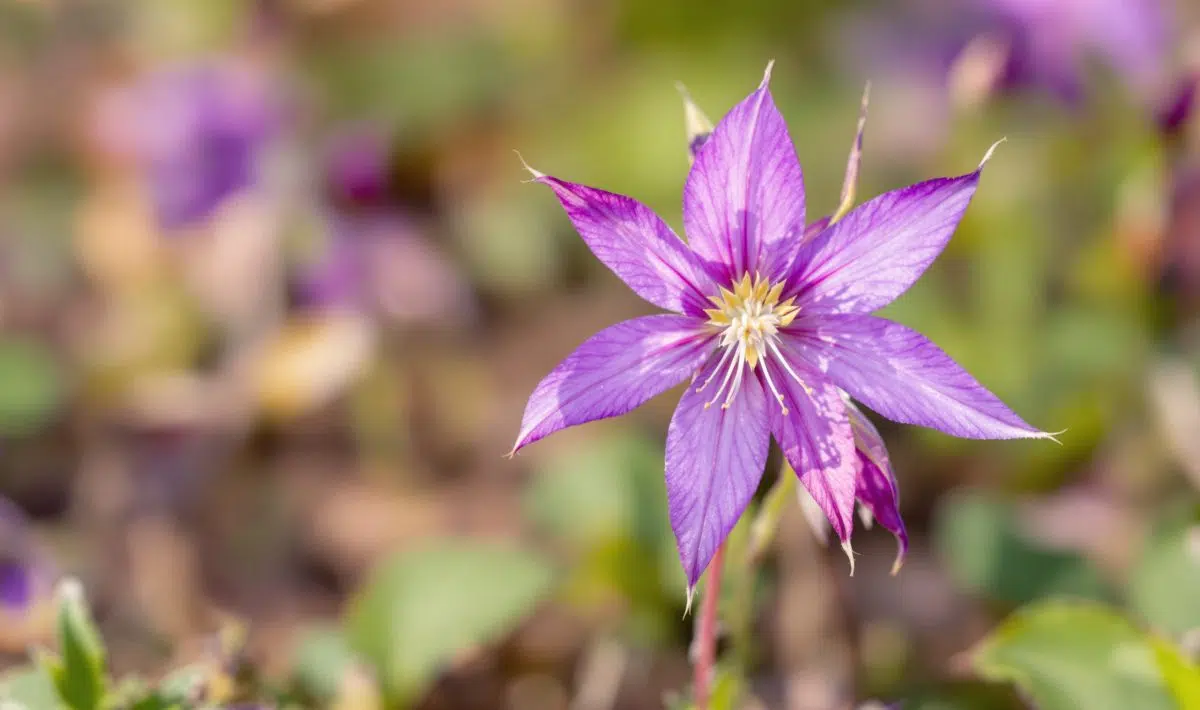
Common columbine, scientifically known as Aquilegia vulgaris, is a charming perennial plant that brings delicate beauty to any garden. Understanding how much sunlight does common columbine need is crucial for successful cultivation and abundant flowering. This hardy plant thrives with the right balance of light exposure, making it an excellent choice for gardeners seeking colorful blooms year after year.
Understanding common columbine sunlight requirements
Common columbine performs best in partial shade to filtered sunlight conditions. The plant typically requires 4 to 6 hours of direct sunlight daily for optimal growth and flowering. However, this vivace can adapt to various light conditions, making it remarkably versatile for different garden settings.
In cooler climates, columbine can tolerate more direct sunlight throughout the day. The morning sun is particularly beneficial as it provides energy for photosynthesis while avoiding the harsh afternoon heat. For gardens in warmer regions, providing afternoon shade helps prevent stress and maintains healthy foliage.
The ideal light intensity for columbine ranges from 2000 to 5000 lux, which mimics its natural woodland habitat. When light levels drop below 1000 lux, you may notice reduced vigor and fewer flowers. Just as sunlight requirements for common hackberry vary with climate conditions, columbine adapts its light needs based on environmental factors.
Full sun versus partial shade conditions
Full sun exposure can benefit columbine in specific circumstances. In northern regions with mild summers, the plant can handle up to 8 hours of direct sunlight with adequate soil moisture. However, prolonged exposure to intense sunlight may cause leaf scorching and reduced flowering performance.
Partial shade conditions often produce the best results for common columbine. This environment provides sufficient light for photosynthesis while protecting the plant from excessive heat stress. The filtered light creates ideal conditions for the delicate flowers to develop their characteristic spurred shape and vibrant colors.
Complete shade significantly impacts columbine growth and flowering. While the plant can survive in deep shade, it will produce fewer blooms and may develop a leggy appearance as it stretches toward available light sources.
Soil preparation for optimal light utilization
Well-draining soil enhances the plant’s ability to utilize available sunlight effectively. Columbine prefers slightly alkaline to neutral soil with good organic content. The soil should retain moisture without becoming waterlogged, allowing roots to access nutrients efficiently.
Proper soil preparation involves adding compost or well-rotted organic matter to improve texture and fertility. This amendment helps the plant withstand varying light conditions and maintains consistent growth throughout the growing season. Good drainage becomes particularly important when the plant receives more direct sunlight exposure.
Much like growing common bugle plants successfully requires attention to soil conditions, columbine benefits from thoughtful soil management that complements its light requirements.
Choosing the right garden location
Selecting the ideal spot for common columbine involves considering multiple factors beyond sunlight exposure. The location should provide morning sun with afternoon protection, especially in regions with hot summers. Eastern-facing slopes or areas near deciduous trees offer excellent light conditions.
Avoid planting columbine in low-lying areas where cold air settles or where water tends to collect. These vivace plants prefer slightly elevated locations with good air circulation. The combination of proper light exposure and air movement reduces the risk of fungal diseases.
Consider companion planting with species that have similar light requirements. Hostas, ferns, and other woodland perennials create attractive combinations while sharing similar growing conditions.
Growing columbine from seeds
Starting columbine from seeds offers gardeners an economical way to establish these beautiful plants. Seeds germinate best when exposed to consistent light conditions during the germination period. Place seed trays in bright, indirect light to encourage healthy seedling development.
Fresh seeds typically germinate within 2 to 3 weeks under optimal conditions. Maintain soil moisture and provide gentle light exposure to support early growth. As seedlings develop their first true leaves, gradually introduce them to longer periods of direct sunlight.
Unlike tropical plants such as those requiring pineapple sunlight needs for growth, columbine seedlings can tolerate cooler temperatures and variable light conditions during establishment.
Transplanting and establishment
Young columbine plants need careful attention during transplanting to ensure successful establishment. Choose a cloudy day or transplant in the evening to minimize transplant shock. The reduced light exposure during this period helps plants adjust to their new environment.
Water transplanted columbine thoroughly and provide temporary shade if necessary during the first week. This approach allows the root system to establish before the plant faces full light exposure. Monitor soil moisture levels closely during this critical period.
Established plants become increasingly drought-tolerant and can handle variable light conditions with greater resilience. However, consistent care during the establishment phase ensures long-term success in the garden.
Common growing mistakes to avoid
Many gardeners make the mistake of providing too much direct sunlight for common columbine, especially in hot climates. This can lead to wilted foliage, reduced flowering, and overall plant stress. Understanding the plant’s natural woodland habitat helps avoid this common error.
Insufficient watering combined with full sun exposure creates particularly challenging conditions for columbine. The plant requires consistent soil moisture to thrive in brighter locations. Regular watering becomes essential when growing columbine in sunnier spots.
Another frequent mistake involves neglecting soil preparation. Poor drainage combined with excess sunlight can stress the plant and reduce its lifespan. Unlike heat-loving crops that require intense light such as optimal sunlight for growing watermelon, columbine performs better with moderated light exposure.
Seasonal care considerations
Spring care involves removing winter debris and providing adequate light as new growth emerges. The plant benefits from morning sunlight during this period to support vigorous spring growth. Avoid heavy mulching that might block essential light from reaching emerging shoots.
Summer maintenance includes monitoring for adequate moisture and providing afternoon shade in hot regions. The combination of proper light management and consistent watering ensures continued flowering throughout the growing season.
Fall preparation involves allowing the plant to naturally decline while maintaining its preferred light conditions. This vivace will return reliably each spring with proper care and appropriate light exposure throughout its growing cycle.
Allan is a lifelong gardening enthusiast who still gets excited when the first seedlings pop up in spring. With a deep love for nature and a hands-in-the-soil approach, he shares practical tips, plant discoveries, and clever tricks picked up over years of digging, planting, and observing. Whether you’re a new gardener or have a shed full of tools, Allan writes like a neighbor who’s always happy to swap cuttings and stories over the fence.
You can find more about Allan’s work on Malt or connect with him on LinkedIn.