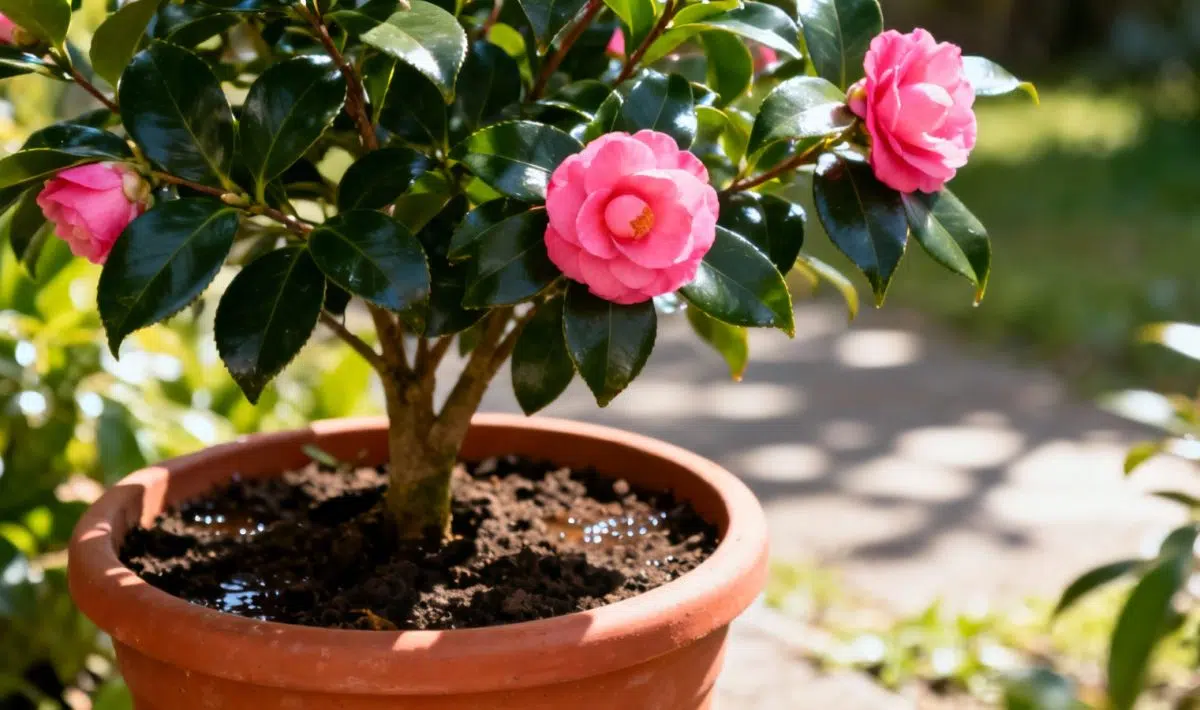
How much sunlight does Japanese camellia need for healthy growth
Growing Japanese camellia successfully starts with understanding exactly how much sunlight does Japanese camellia need for thriving blooms and healthy foliage. These elegant evergreen shrubs prefer a delicate balance between light and protection, making them quite different from sun-loving plants. With proper light management, your camellia can produce stunning winter flowers that will brighten the coldest months of the year.
Japanese camellias thrive best in partial shade conditions, requiring between 3 to 6 hours of direct sunlight daily. However, the timing of this sun exposure makes all the difference for plant health. Morning sunlight provides the gentle warmth these plants crave, while harsh afternoon sun can damage both flowers and leaves with unsightly scalding.
The ideal growing conditions mimic their natural woodland habitat in Asia. This means filtered sunlight works wonderfully, such as the dappled light found beneath deciduous trees. Just like understanding sunlight requirements for Japanese meadowsweet, each plant species has its unique preferences that determine success or failure.
Camellias can tolerate full shade better than many flowering shrubs, though this may reduce bloom production. The key lies in finding that sweet spot between enough light for flowering and protection from scorching summer heat.
Seasonal sunlight management for camellias
Spring brings the perfect conditions for camellia growth and development. During this season, plants benefit from gentle morning sun that encourages new growth without overwhelming tender shoots. The moderate temperatures between 60-70°F create ideal conditions when combined with proper light exposure.
Summer requires more careful attention to sun protection. While camellias need consistent light, the intense afternoon sun can cause significant damage. Consider providing artificial shade cloth or positioning plants where natural shade occurs during peak heat hours. Regular watering becomes crucial during this period to prevent stress.
Winter sunlight management differs significantly, especially for indoor plants or bonsai specimens. Shorter days mean maximizing available light becomes important for maintaining plant health. Much like growing conditions for pineapple plants, winter care requires adjusting your approach to light management.
Protecting camellias from extreme conditions
Temperature fluctuations combined with intense sunlight can cause serious damage to camellia plants. Watch for brown edges on leaves or faded flowers, which indicate too much direct sun exposure. Creating microclimates with proper shade helps maintain consistent growing conditions throughout the year.
Zone considerations play a vital role in light management. Plants in warmer zones need more shade protection, while those in cooler areas can handle slightly more direct sunlight. Understanding your local climate helps determine the perfect balance for your specific location.
Watering and care essentials
Proper watering complements good light management for healthy camellia growth. These plants prefer consistently moist soil without waterlogging, requiring careful attention to drainage and soil composition. The relationship between light exposure and water needs means adjusting irrigation based on seasonal sunlight changes.
Signs of improper watering include yellowing leaves, dropped buds, or wilted foliage. Regular monitoring helps identify problems before they become serious. Water quality matters too – camellias prefer slightly acidic conditions that support optimal nutrient uptake.
Soil preparation should focus on well-draining, organic-rich mixtures that retain moisture without becoming soggy. Similar to watermelon sunlight needs for growth, the soil-light relationship determines overall plant success.
Indoor camellia care
Indoor camellias require special attention to light management since natural conditions are limited. Place plants near east-facing windows for gentle morning sun, or use grow lights to supplement natural illumination during winter months. Maintain temperatures between 45-65°F for optimal growth indoors.
Humidity becomes crucial for indoor plants, as dry air can stress camellias regardless of proper lighting. Consider humidity trays or room humidifiers to maintain 40-60% relative humidity levels throughout the growing season.
Bonsai camellia specific requirements
Camellia bonsai require precise light management due to their confined growing conditions. These miniature trees need the same partial shade as full-sized plants but with more careful monitoring of soil moisture and temperature fluctuations. The smaller root system means they’re more sensitive to environmental changes.
Position bonsai camellias where they receive morning sunlight but afternoon shade protection. Rotate containers regularly to ensure even light distribution on all sides of the plant. This practice prevents lopsided growth and maintains the desired bonsai form.
Training and pruning bonsai camellias requires understanding how light affects branch development. Just as optimal light for spearmint plants influences herb growth, proper lighting directs bonsai development in desired directions.
Common problems and solutions
Leaf scorch appears as brown patches or edges on foliage, indicating excessive sun exposure. Move plants to more protected locations or provide artificial shade during peak sun hours. This problem commonly occurs when plants are moved from shaded nursery conditions to full sun gardens.
Poor flowering often results from insufficient light rather than too much sun. While camellias tolerate shade, they need adequate light for bud formation and bloom development. Finding the right balance requires patience and observation over multiple growing seasons.
Understanding these plants’ needs helps create conditions similar to light requirements for common columbine, where partial shade and proper care produce spectacular results.
Varieties and their light preferences
Different camellia varieties show varying tolerance for sun exposure. Some cultivars like ‘Jacks’ perform well in deeper shade, while others prefer more light for optimal flowering. Research specific varieties before planting to match their needs with your garden conditions.
Sasanqua camellias generally tolerate more sun than japonica varieties, making them suitable for slightly brighter locations. However, they still benefit from afternoon shade protection in hot climates. Consider these differences when planning garden layouts and plant placement.
Color variations in flowers can be affected by light intensity, with some varieties producing more vibrant blooms in optimal light conditions. Just like achieving sunlight for perfect sweet william blooms, proper lighting enhances flower quality and longevity.
Long-term care strategies
Establishing young camellias requires extra attention to light conditions during their first few years of growth. Gradual acclimation to final growing conditions prevents shock and promotes strong root development. Patience during this establishment period pays dividends in long-term plant health.
Mature plants may need light condition adjustments as surrounding landscapes change. Trees grow larger, buildings create new shade patterns, and gardens evolve over time. Regular assessment ensures camellias continue receiving optimal light as conditions change.
Success with Japanese camellias comes from understanding their preference for partial shade conditions, consistent moisture, and protection from extreme temperatures. With proper care and attention to their specific light needs, these remarkable plants reward gardeners with years of beautiful winter blooms and elegant evergreen foliage.
Allan is a lifelong gardening enthusiast who still gets excited when the first seedlings pop up in spring. With a deep love for nature and a hands-in-the-soil approach, he shares practical tips, plant discoveries, and clever tricks picked up over years of digging, planting, and observing. Whether you’re a new gardener or have a shed full of tools, Allan writes like a neighbor who’s always happy to swap cuttings and stories over the fence.
You can find more about Allan’s work on Malt or connect with him on LinkedIn.