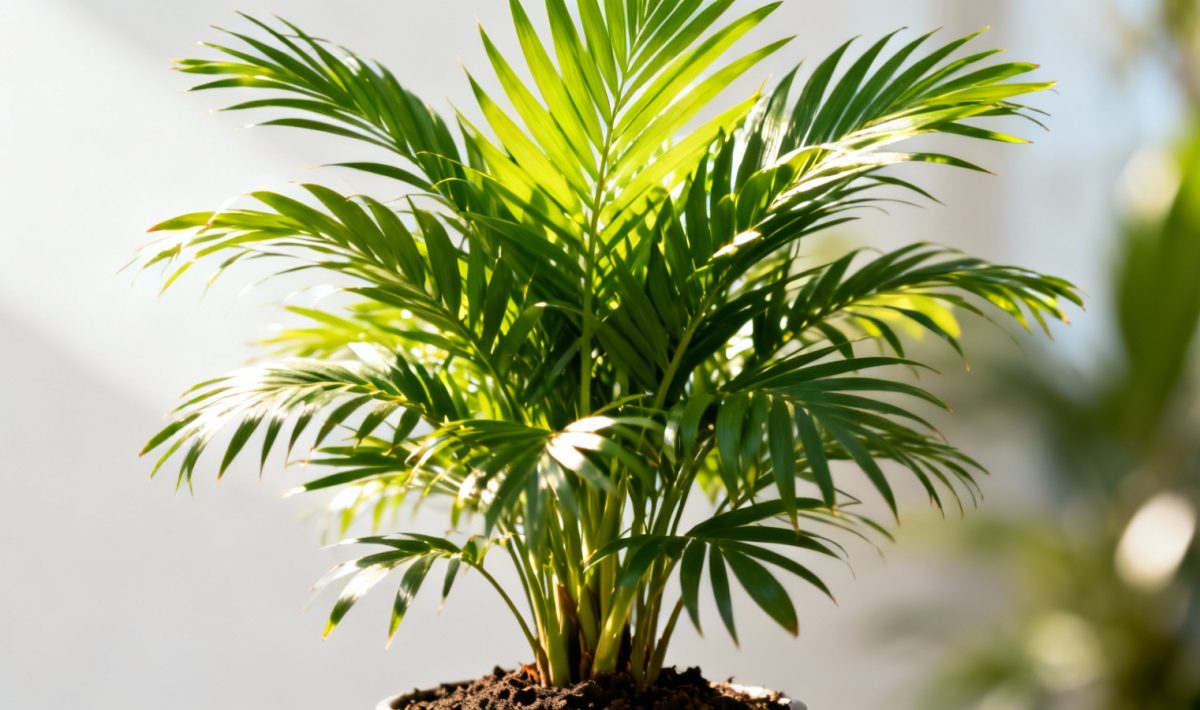
How much sunlight does kentia palm need for healthy growth
The kentia palm stands out as one of the most beloved houseplants for good reason. This elegant plant brings a touch of tropical charm to any home or office while being remarkably forgiving about its light requirements. Understanding how much sunlight your kentia palm needs is essential for keeping it healthy and thriving in your living space.
Originally from the lush forests of Lord Howe Island, the kentia palm (Howea forsteriana) evolved in conditions quite different from what most people imagine for a palm. In its native environment, this plant grows beneath the canopy of larger trees, receiving filtered sunlight rather than direct rays. This natural adaptation makes it perfectly suited for indoor living where harsh sunlight isn’t readily available.
Your kentia palm has developed unique characteristics that allow it to process light efficiently even in lower-light conditions. The broad, arching leaves are designed to capture and utilize whatever light is available, making this plant an excellent choice for rooms that don’t receive intense sunlight throughout the day.
The ideal light conditions for your plant
When it comes to sunlight requirements, your kentia palm prefers bright, indirect light. Think of placing it near a north or east-facing window where it can receive plenty of ambient light without being subjected to harsh, direct sun rays. This type of lighting allows the plant to photosynthesize effectively while avoiding the stress that comes with too much intensity.
Direct sunlight can actually harm your kentia palm, especially young plants that haven’t developed the resilience of mature specimens. The leaves can develop brown, scorched patches when exposed to too much direct sun, which not only affects the plant’s appearance but also its overall health and ability to process nutrients properly.
Interestingly, while researching optimal growing conditions for various plants, you might find that sunlight requirements vary significantly between species. For instance, learning about watermelon sunlight needs for growth shows how some plants need full sun exposure, quite different from our shade-loving kentia.
Signs your kentia palm is getting the right amount of light
A healthy kentia palm receiving adequate light will display vibrant green leaves that maintain their color throughout the plant. You’ll notice steady, albeit slow, growth with new fronds emerging from the center of the plant. The existing leaves should remain firm and upright, not drooping or becoming pale.
When your plant receives optimal lighting conditions, it typically maintains between four to eight healthy fronds at any given time. In better light conditions, you might see your kentia producing more fronds, while in lower light, it may maintain fewer but still healthy leaves.
What happens with too much or too little light
Too much direct sunlight can cause significant problems for your kentia palm. The most obvious sign is leaf burn, which appears as brown or yellow patches on the fronds. These damaged areas cannot recover, and severely affected leaves may need to be removed to maintain the plant’s appearance and health.
Conversely, insufficient light can also create issues. Your plant may become leggy, with fronds stretching toward the nearest light source. The leaves might lose their rich green color, becoming pale or yellowish. Growth will slow considerably, and the plant may drop older leaves more frequently than normal.
Optimizing placement in your home
The best location for your kentia palm depends on your home’s layout and natural light sources. A spot near a window that receives bright, filtered light throughout most of the day is ideal. Avoid placing it directly in a south-facing window unless you can filter the light with sheer curtains or blinds.
Consider rotating your plant occasionally to ensure even growth. Just as gardeners might adjust sunlight requirements for yellow butterfly palms based on seasonal changes, your kentia palm can benefit from slight position adjustments to maintain balanced development.
If you’re working with limited natural light, don’t despair. Kentia palms are remarkably adaptable and can tolerate lower light conditions better than many other houseplants. However, growth will be slower, and you’ll need to adjust your care routine accordingly.
Supplementing natural light when needed
When natural light isn’t sufficient, especially during darker winter months, you might consider supplemental lighting. LED grow lights can provide the additional illumination your kentia palm needs without generating excessive heat that could damage the plant.
Position grow lights about two to three feet above your plant and run them for 8-12 hours daily. This mimics natural daylight cycles and helps maintain healthy growth patterns. Unlike some plants that require intense artificial lighting, such as those used for ideal sunlight for growing pineapples, kentia palms do well with moderate supplemental lighting.
Seasonal considerations for light management
Your kentia palm’s light needs may vary slightly with the seasons. During winter months, when natural daylight hours are shorter and less intense, you might need to move your plant closer to a window or provide supplemental lighting to maintain its health.
Summer brings its own challenges, particularly if your plant is near windows that receive more intense sunlight during longer days. You may need to move it back from the window or use filtering materials to prevent leaf burn during the peak summer months.
Creating the perfect environment
Beyond just light considerations, remember that your kentia palm thrives when all its needs are met. Proper humidity, appropriate watering, and good air circulation all work together with adequate lighting to keep your plant healthy and beautiful.
The quality of light in your room affects not just your plant but your entire living space. Many indoor gardeners discover that understanding plant lighting needs extends to other species as well. For example, knowing about optimal sunlight for spearmint growth can help if you’re planning an indoor herb garden alongside your kentia palm.
With the right balance of bright, indirect light, your kentia palm will reward you with years of elegant beauty in your home. This remarkable plant proves that you don’t need a greenhouse or perfect conditions to enjoy the benefits of having plants in your living space. Its adaptability to indoor lighting conditions makes it an excellent choice for both beginners and experienced plant enthusiasts who want to add a touch of tropical elegance to their home or office.
Allan is a lifelong gardening enthusiast who still gets excited when the first seedlings pop up in spring. With a deep love for nature and a hands-in-the-soil approach, he shares practical tips, plant discoveries, and clever tricks picked up over years of digging, planting, and observing. Whether you’re a new gardener or have a shed full of tools, Allan writes like a neighbor who’s always happy to swap cuttings and stories over the fence.
You can find more about Allan’s work on Malt or connect with him on LinkedIn.