How much sunlight does panicle hydrangea need for beautiful blooms
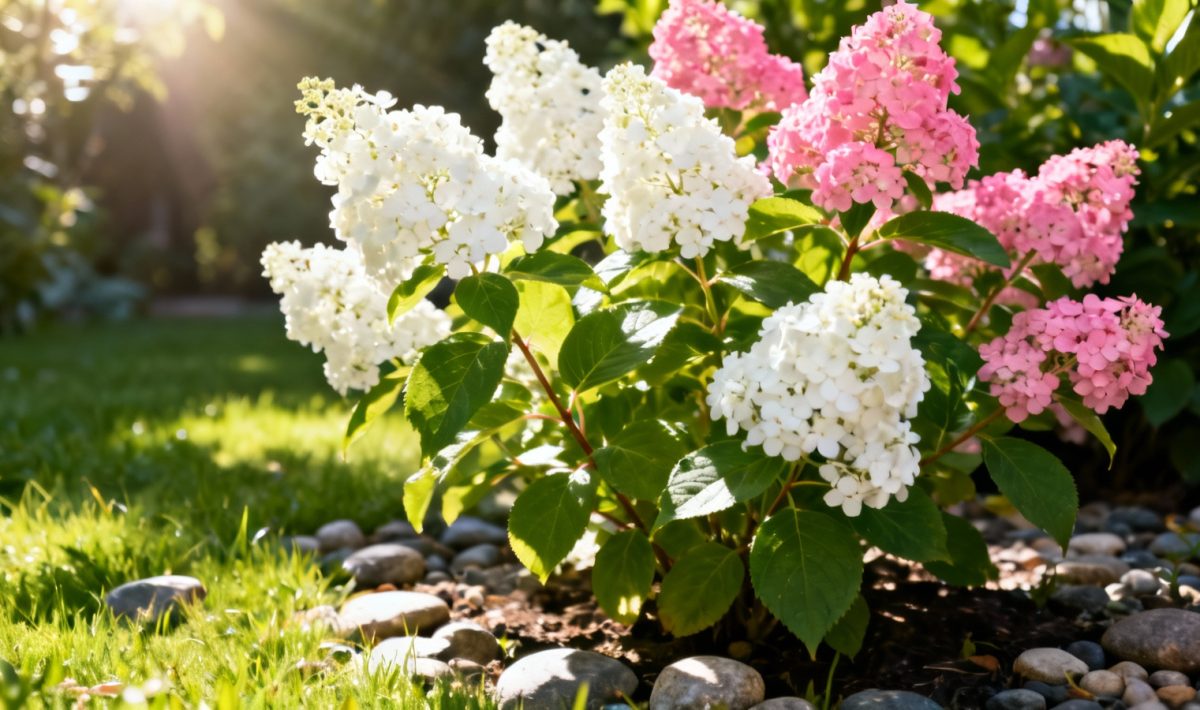
When you’re planning your garden layout, understanding how much sunlight does panicle hydrangea need becomes crucial for successful cultivation. These stunning flowering shrubs, known for their cone-shaped flower clusters, have specific light requirements that directly impact their blooming potential and overall health.
Panicle hydrangeas (Hydrangea paniculata) thrive best with at least 6 hours of direct sunlight daily. This hardy shrub variety differs significantly from other hydrangea types in its sun tolerance. Unlike the more shade-loving macrophylla varieties, panicle hydrangeas actually prefer full sun conditions for optimal flowering and sturdy stem development.
The key to successful cultivation lies in providing consistent morning sun exposure. These robust plants can handle intense sunlight better than their cousins, making them perfect for sunny garden spots where other hydrangeas might struggle. However, the exact amount of sun needed can vary based on your climate zone and local growing conditions.
In cooler regions, full sun exposure throughout the day encourages the most abundant blooms and strongest plant structure. The intense light helps develop those characteristic large, cone-shaped flower panicles that make this variety so popular among gardeners.
Regional considerations for sun exposure
Your geographic location plays a significant role in determining the ideal sun exposure for your panicle hydrangea. In northern climates and cooler zones, these plants can tolerate and even benefit from full sun conditions all day long. The cooler temperatures balance out the intense light, creating perfect growing conditions.
However, in hotter southern regions or areas with intense summer heat, providing some afternoon shade becomes beneficial. During the hottest part of the day, particularly in zones 7-9, partial shade helps prevent leaf scorch and reduces water stress on the plant.
Much like understanding sunlight requirements for growing pineapple, recognizing these regional differences ensures your hydrangeas receive just the right amount of light for their specific environment.
Signs of proper versus inadequate sunlight
A well-positioned panicle hydrangea in adequate sunlight displays several telltale signs of health. You’ll notice abundant flower production with large, full panicles that maintain their color intensity throughout the blooming season. The stems grow sturdy and upright, capable of supporting the weight of those magnificent flower clusters.
Conversely, insufficient sunlight creates noticeable problems. Plants in too much shade often produce fewer flowers, and those that do appear tend to be smaller and less vibrant. The stems may become weak and spindly, sometimes requiring additional support to prevent drooping.
Leaf color also provides important clues about light conditions. Healthy panicle hydrangeas in proper sunlight maintain rich green foliage throughout the growing season, while shade-stressed plants often display pale or yellowing leaves.
Optimal planting locations and soil preparation
Choosing the right spot in your garden involves more than just sun exposure. Look for areas that receive morning sun and maintain good air circulation around the plant. This combination helps prevent fungal issues while ensuring adequate light for photosynthesis and flower development.
The soil should drain well while retaining enough moisture to keep roots consistently hydrated. Similar to optimal sunlight for watermelon growth, panicle hydrangeas benefit from rich, well-amended soil that supports both their light and nutritional needs.
When preparing the planting site, dig a hole twice as wide as the root ball and amend the soil with compost or well-rotted organic matter. This creates an ideal growing environment that complements the proper sun exposure.
Caring for hydrangeas in different light conditions
Plants receiving full sun require more consistent watering than those in partial shade. The increased light and heat cause faster moisture evaporation, so regular deep watering becomes essential during dry periods. Apply a thick layer of mulch around the base to help retain soil moisture and regulate root temperature.
In particularly hot climates, you might need to provide supplemental afternoon shade using shade cloth or strategic planting of taller companions. This approach, similar to managing sunlight needs of spearmint plants, allows you to optimize growing conditions based on your specific environment.
Fertilization schedules may also need adjustment based on light exposure. Plants in full sun typically require more frequent feeding to support their increased growth and flower production rates.
Pruning considerations for sun-grown specimens
Panicle hydrangeas grown in full sun often develop more vigorous growth, which may require additional pruning attention. The best time for trimming these hardy shrubs is late winter or early spring, before new growth begins.
Remove any dead, damaged, or crossing branches first, then shape the plant as desired. Plants receiving adequate sunlight can handle more aggressive pruning since they’ll produce strong new growth throughout the growing season.
Regular deadheading of spent flowers encourages continued blooming and maintains the plant’s attractive appearance. Just like understanding healthy sunlight exposure for kentia palms, proper pruning techniques help maximize the benefits of optimal light conditions.
Companion planting and garden design
When designing your garden space, consider plants that share similar light requirements. Panicle hydrangeas pair beautifully with other sun-loving perennials and shrubs that won’t compete for light or create unwanted shade.
Avoid planting them too close to large trees or structures that might block morning sun. Instead, use them as backdrop plants for smaller sun-loving flowers, or create stunning mass plantings in open areas of your landscape.
Understanding companion plant needs, such as Japanese camellia sunlight requirements, helps create harmonious garden combinations where all plants thrive together.
Seasonal care adjustments
Throughout the growing season, monitor your panicle hydrangeas for signs of stress or changing needs. Spring establishment requires consistent moisture as new growth emerges, while summer care focuses on maintaining adequate hydration during peak heat.
Fall preparation involves reducing watering as the plant enters dormancy, but don’t completely stop until the ground freezes. Winter protection in colder zones might include wrapping young plants or providing windbreaks, though mature specimens are quite hardy.
Consider the seasonal sun patterns in your garden as well. Trees that provide minimal shade in spring might create more significant shade as their canopies fill out in summer, potentially affecting your hydrangea’s light exposure.
Troubleshooting common sunlight-related issues
Even with proper planning, you might encounter challenges with your panicle hydrangea’s sun exposure. Leaf scorch, characterized by brown edges on leaves, often indicates too much intense afternoon sun in hot climates.
Poor flowering despite adequate care usually points to insufficient sunlight. If relocating isn’t possible, consider removing competing plants or structures that might be casting shade during crucial morning hours.
Understanding various plant light needs, including ideal sunlight for common columbine, helps you make informed decisions about garden layout and companion plantings.
Successfully growing panicle hydrangeas comes down to providing that sweet spot of adequate sunlight while protecting them from excessive heat stress. With proper sun exposure, these remarkable shrubs reward gardeners with stunning displays of flowers that last from summer well into fall, creating lasting beauty in any landscape.
Allan is a lifelong gardening enthusiast who still gets excited when the first seedlings pop up in spring. With a deep love for nature and a hands-in-the-soil approach, he shares practical tips, plant discoveries, and clever tricks picked up over years of digging, planting, and observing. Whether you’re a new gardener or have a shed full of tools, Allan writes like a neighbor who’s always happy to swap cuttings and stories over the fence.
You can find more about Allan’s work on Malt or connect with him on LinkedIn.