Why are my kentia palm leaves turning yellow – watering and lighting solutions
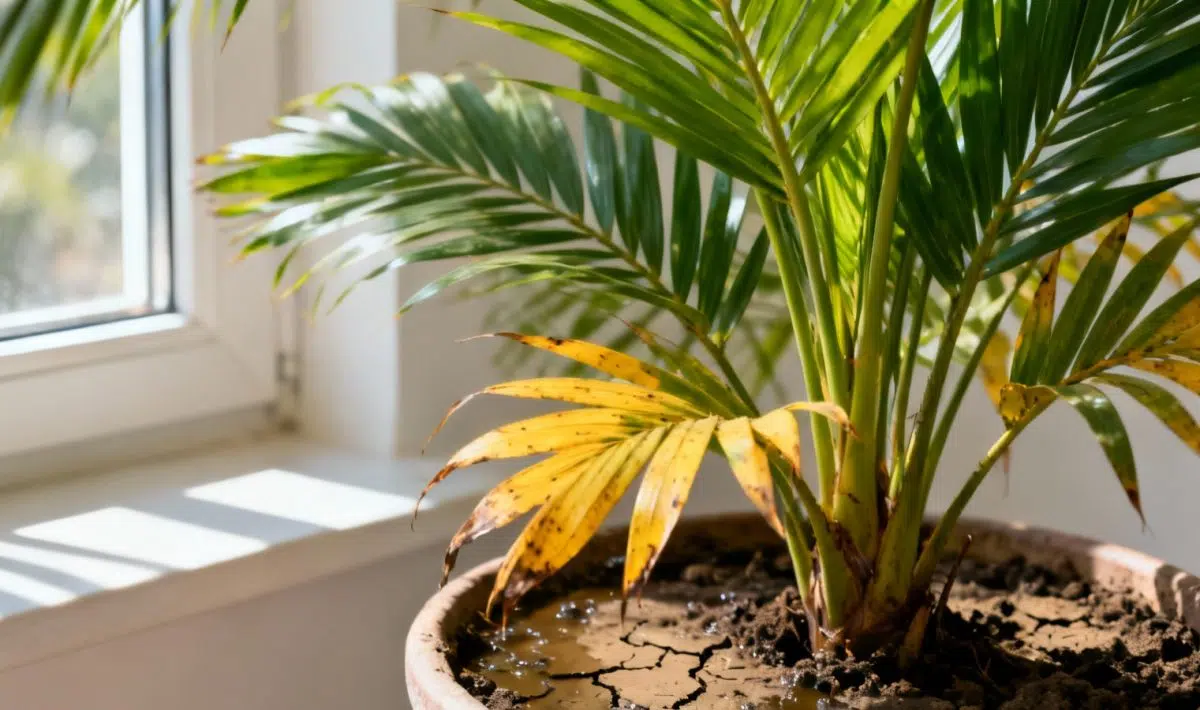
Seeing your beautiful kentia palm develop yellow leaves can be quite alarming, especially when you’ve been trying to give it the best care possible. Why are my kentia palm leaves turning yellow? This common issue typically stems from watering problems, inadequate lighting conditions, or environmental stress. The good news is that most causes are easily reversible once you identify the root problem and adjust your care routine accordingly.
The most frequent culprit behind yellow kentia palm leaves is improper watering habits. These elegant plants require consistent moisture without being waterlogged, which creates a delicate balance many plant parents struggle to maintain.
Overwatering leads to root rot, preventing the plant from absorbing nutrients properly. When roots sit in soggy soil, they begin to decay, and the palm responds by dropping older leaves that turn yellow first. Conversely, underwatering stresses the plant, causing it to sacrifice lower leaves to preserve energy for new growth.
✅ Quick Checklist
Is the soil too wet or too dry?
Is the plant getting 6+ hours of sunlight daily?
Have you fertilized in the last 2 months?
Are there visible pests under the leaves?
Does the pot have adequate drainage?
🔥 FREE
📱
Diagnose your plant in one click!
AI instant diagnosis • Personalized solutions • 50,000+ species
To check your watering habits, stick your finger about two inches into the soil. If it feels soggy or completely dry, you’ve found your problem. Similar yellowing issues affect other plants too, as seen with reasons for yellow honeysuckle leaves, which often share comparable care challenges.
Lighting conditions and placement problems
Kentia palms thrive in bright, indirect light but can suffer when exposed to harsh direct sunlight or placed in overly dark corners. Direct sunlight can scorch the leaves, causing them to yellow and develop brown crispy edges, while insufficient light forces the plant to drop older leaves to conserve energy.
The ideal spot for your kentia palm is near an east or north-facing window where it receives gentle morning light or consistent bright indirect light throughout the day. Avoid placing it directly in south or west-facing windows where intense afternoon sun can cause damage.
Temperature and environmental stress factors
Temperature fluctuations and drafts create significant stress for kentia palms, often manifesting as yellowing leaves. These tropical beauties prefer consistent temperatures between 65-75°F (18-24°C) and high humidity levels around 50-60%.
Cold drafts from air conditioning units, heating vents, or frequently opened doors can shock the plant. Similarly, low humidity levels, especially during winter when indoor air becomes dry, stress the palm and trigger leaf yellowing.
Proper care techniques to prevent yellowing
Establishing optimal watering routines
Developing a consistent watering schedule based on soil moisture rather than calendar days will keep your kentia palm healthy. Water thoroughly when the top 1-2 inches of soil feel dry, allowing water to drain completely from the pot’s bottom.
During summer months, you might need to water weekly, while winter watering may occur every 10-14 days. Always use lukewarm water and ensure your pot has adequate drainage holes to prevent water accumulation.
Creating ideal lighting environments
Position your kentia palm where it receives 6-8 hours of bright, filtered light daily. If natural light is limited, consider using a grow light positioned 2-3 feet away from the plant to supplement lighting needs.
Rotate your palm weekly to ensure even light distribution and prevent the plant from leaning toward the light source. This practice promotes balanced growth and prevents stress-related yellowing on one side of the plant.
Maintaining proper humidity and temperature
Increase humidity around your kentia palm by grouping it with other plants, using a humidity tray filled with pebbles and water, or running a humidifier nearby. Misting can provide temporary relief but avoid overdoing it, as excessive moisture on leaves can promote fungal issues.
Keep your palm away from heating vents, air conditioning units, and drafty areas. Consistent environmental conditions help prevent the stress that commonly leads to yellowing leaves.
✅ Quick Checklist
Is the soil too wet or too dry?
Is the plant getting 6+ hours of sunlight daily?
Have you fertilized in the last 2 months?
Are there visible pests under the leaves?
Does the pot has adequate drainage?
🔥 FREE
📱
Diagnose your plant in one click!
AI instant diagnosis • Personalized solutions • 50,000+ species
Treatment solutions for yellowing kentia palm leaves
Immediate action steps
Once you’ve identified yellowing leaves on your kentia palm, start by examining the soil moisture and drainage situation. If the soil is waterlogged, allow it to dry out completely before resuming a proper watering schedule. For severely overwatered plants, consider repotting with fresh, well-draining potting mix.
Remove completely yellow leaves by cutting them at the base with clean, sharp scissors. These leaves won’t recover and removing them helps the plant redirect energy to healthy growth. However, don’t remove leaves that are only partially yellow, as they may still photosynthesize.
Long-term recovery strategies
Implement a consistent care routine that addresses all environmental factors simultaneously. This comprehensive approach often works better than trying to fix issues one at a time. Many plant owners face similar challenges with other species, such as causes of yellowing pomegranate leaves, which require equally attentive care adjustments.
Feed your kentia palm with a balanced, diluted liquid fertilizer every 2-3 months during growing season (spring and summer). Avoid over-fertilizing, as this can cause salt buildup and additional stress to an already struggling plant.
Prevention and monitoring
Establish a weekly plant check routine where you examine soil moisture, leaf condition, and overall plant health. Early detection of problems makes treatment much more effective and prevents minor issues from becoming major setbacks.
Keep a simple plant care journal noting watering dates, fertilizer applications, and any changes you observe. This practice helps you identify patterns and adjust your care routine based on your plant’s specific needs and your home’s unique environmental conditions.
Conclusion
Understanding why kentia palm leaves turn yellow empowers you to provide better care and maintain a thriving plant. Most yellowing issues result from adjustable care practices like watering frequency, lighting conditions, or environmental factors rather than serious plant diseases.
With consistent attention to proper watering, adequate lighting, and stable environmental conditions, your kentia palm should recover from yellowing leaves and continue growing beautifully. Remember that some leaf drop is natural as plants age, but widespread yellowing indicates care adjustments are needed. By implementing these solutions and maintaining regular monitoring, you’ll enjoy a healthy, vibrant kentia palm that brings tropical elegance to your home for years to come.
Allan is a lifelong gardening enthusiast who still gets excited when the first seedlings pop up in spring. With a deep love for nature and a hands-in-the-soil approach, he shares practical tips, plant discoveries, and clever tricks picked up over years of digging, planting, and observing. Whether you’re a new gardener or have a shed full of tools, Allan writes like a neighbor who’s always happy to swap cuttings and stories over the fence.
You can find more about Allan’s work on Malt or connect with him on LinkedIn.