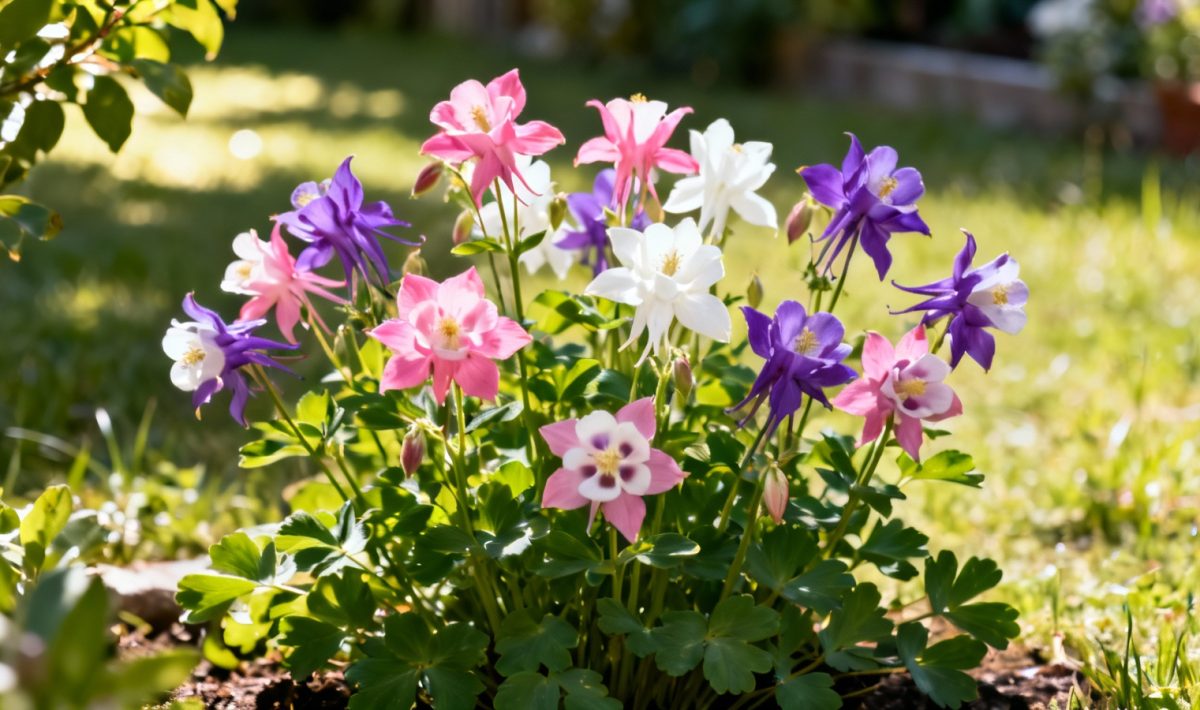
Common columbine (Aquilegia vulgaris) brings enchanting beauty to any garden with its delicate, spurred flowers that dance in the breeze. However, getting the light conditions just right is crucial for this charming perennial to truly flourish. Understanding how much sunlight does common columbine need will help you create the perfect growing environment for these beloved garden favorites.
Understanding common columbine’s sunlight requirements
The good news is that columbine plants are remarkably adaptable when it comes to light conditions. These hardy perennials thrive best in partial shade to light sun, typically requiring about 3 to 6 hours of direct sunlight daily. The key is providing gentle morning sun or late afternoon light rather than harsh midday rays that can scorch their delicate foliage.
Most gardening experts recommend positioning your columbine where it receives dappled sunlight throughout the day. This mimics their natural woodland habitat where they grow beneath the canopy of larger trees. Too much intense sun can cause the leaves to wilt and fade, while excessive shade may result in weak, leggy growth with fewer flowers.
When selecting seeds for your garden, you’ll want to verify the specific variety’s light preferences. Some cultivars are more sun-tolerant than others, and checking the evaluations from reputable seed suppliers can help you make the best choice for your garden’s conditions.
Choosing the right location in your garden
The placement of your columbine plants significantly impacts their success. Look for spots that receive morning sun but are protected from the intense afternoon heat. Areas near deciduous trees work well, as they provide the perfect balance of light and shade throughout the growing season.
Consider the changing light patterns in your garden as seasons progress. A location that seems perfect in spring might become too sunny in summer or too shaded in fall. Similar to how you might research sunlight requirements for common mugwort for comparison, understanding these seasonal variations helps ensure year-round plant health.
Columbine plants are also excellent companions for other shade-loving perennials. They complement hostas, ferns, and other woodland plants beautifully while sharing similar light requirements.
Seed selection and purchasing considerations
When you’re ready to buy columbine seeds, there are several factors that can influence your plant’s light tolerance. Fresh seeds from reputable suppliers often produce more vigorous plants that can better adapt to various light conditions. Look for suppliers with positive customer evaluations and detailed growing information.
Many online stores offer fast, free shipping on seed orders, making it easy to access quality varieties from the comfort of your home. Check that the supplier provides comprehensive growing instructions, including specific light requirements for each variety they sell.
Some columbine varieties, like the white-flowered cultivars, may have slightly different light preferences than the traditional blue or purple forms. When browsing seed catalogs, pay attention to these details to ensure you’re making the right choice for your garden’s conditions.
Seasonal care and light management
Throughout the growing season, monitor how your columbine responds to its light conditions. In spring, when trees are just leafing out, your plants might receive more sun than they will later in the season. This natural progression actually works well for columbine, as they can handle more light when temperatures are cooler.
During hot summer months, providing additional shade can help prevent stress. Just as you might consider optimal sunlight for common houseleek for sun-loving plants, understanding your columbine’s changing needs throughout the season is essential for long-term success.
If you notice your columbine leaves becoming pale or developing brown edges, this often indicates too much direct sun. Conversely, if the plants become tall and spindly with few flowers, they may need more light.
Watering and soil considerations with light exposure
The amount of sunlight your columbine receives directly affects its watering needs. Plants in sunnier locations will require more frequent watering, while those in deeper shade need less. Well-draining soil is crucial regardless of light conditions, as columbine doesn’t tolerate waterlogged roots.
During dry spells, keep the soil consistently moist but not soggy. Mulching around the plants helps retain moisture and keeps roots cool, which is especially important if your columbine receives more sun than ideal.
Regular feeding with a balanced fertilizer can help plants cope with various light conditions. Plants that receive adequate light will use nutrients more efficiently and produce more abundant blooms.
Companion planting and garden design
Creating a successful shade garden involves understanding the light requirements of multiple plants. Columbine pairs beautifully with other partial shade perennials, creating layered plantings that are both attractive and environmentally sound. When planning your garden layout, consider how different plants’ light needs complement each other.
For gardeners interested in diverse plant combinations, researching requirements for other shade-tolerant species can be helpful. For instance, learning about sunlight needs for common comfrey can help you create more comprehensive garden designs.
The key is balancing plants with similar needs while creating visual interest through varying heights, textures, and bloom times. Columbine’s delicate flowers provide an excellent contrast to bolder foliage plants.
Even with careful planning, you might encounter challenges with your columbine’s light conditions. Poor flowering is often the first sign that light levels aren’t optimal. If your plants produce lots of leaves but few flowers, they likely need more sun.
On the other hand, if leaves appear bleached or develop brown, crispy edges, the plant is receiving too much intense sunlight. Moving plants isn’t always practical, but you can create shade using taller companion plants or temporary shade cloth during the hottest part of summer.
Understanding these visual cues helps you make adjustments before problems become severe. Just as you might research sunlight for healthy passionfruit growth for fruit plants, recognizing your columbine’s signals ensures better garden success.
Long-term garden planning with columbine
Columbine plants are short-lived perennials, typically lasting three to five years. However, they readily self-seed in favorable conditions, creating natural colonies that can persist for decades. Planning for this natural succession is part of successful columbine gardening.
Allow some seed pods to mature and drop their seeds naturally. These volunteer seedlings often establish in the most suitable microclimates within your garden, showing you exactly where conditions are ideal.
For comparison with other garden plants, you might find it useful to understand ideal sunlight for common dogwood when planning larger landscape elements that could affect your columbine’s light exposure over time.
Making the most of your columbine investment
Whether you’re starting from seeds or purchasing established plants, understanding proper light requirements ensures you get the best value from your gardening investment. Healthy, well-placed columbine plants will reward you with years of beautiful flowers and the joy of watching them naturalize in your garden.
Remember that gardening is an ongoing learning process. Each season teaches you more about your plants’ preferences and your garden’s unique conditions. With patience and observation, you’ll develop an intuitive understanding of how to provide the perfect light conditions for your columbine plants.
By following these guidelines and paying attention to your plants’ responses, you’ll create a thriving columbine display that brings color and charm to your garden year after year. The key is starting with quality seeds, choosing appropriate locations, and remaining flexible as your garden evolves over time.

Allan is a lifelong gardening enthusiast who still gets excited when the first seedlings pop up in spring. With a deep love for nature and a hands-in-the-soil approach, he shares practical tips, plant discoveries, and clever tricks picked up over years of digging, planting, and observing. Whether you’re a new gardener or have a shed full of tools, Allan writes like a neighbor who’s always happy to swap cuttings and stories over the fence.
You can find more about Allan’s work on Malt or connect with him on LinkedIn.