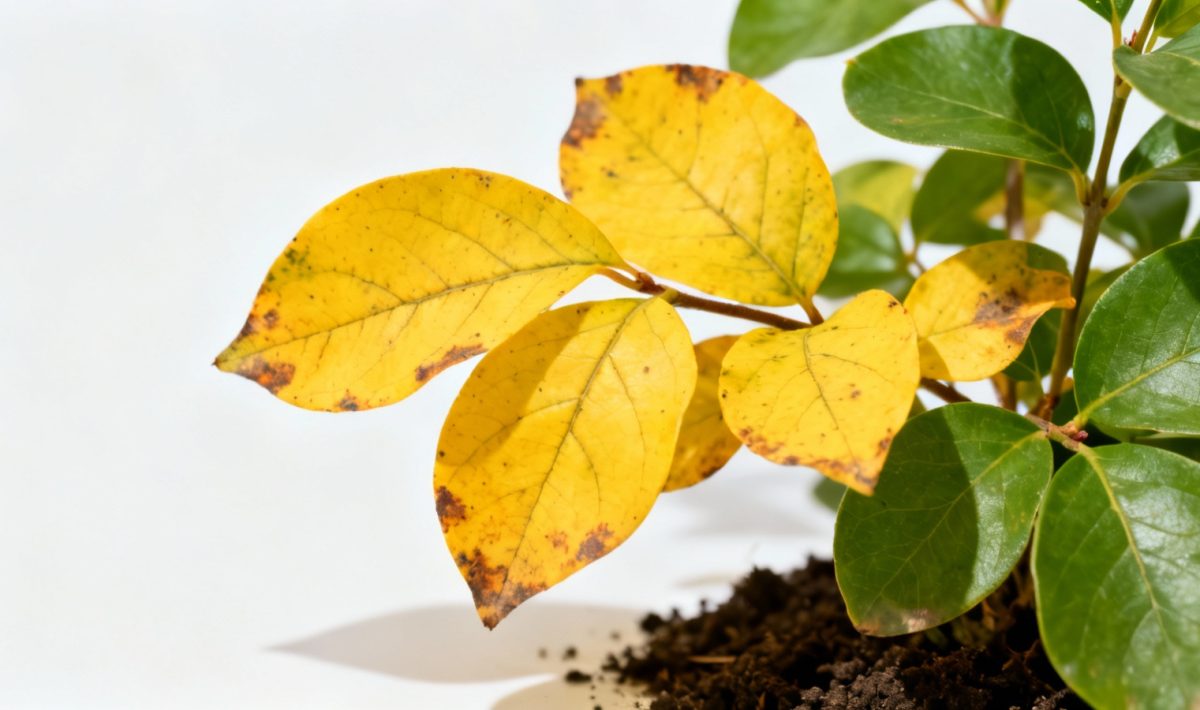
Why are my bittersweet leaves turning yellow – causes and solutions
There’s nothing quite as concerning as watching your beautiful bittersweet plant develop yellow leaves. This common issue can be frustrating, but understanding the underlying causes will help you restore your plant’s vibrant green foliage. Yellow leaves are your plant’s way of signaling that something isn’t quite right with its growing conditions.
Bittersweet plants are generally hardy, but they can still struggle with various environmental stresses. The yellowing process, known as chlorosis, occurs when the plant can’t produce enough chlorophyll. This vital pigment is what gives leaves their green color and helps them photosynthesize effectively.
The first step in addressing yellow leaves is understanding the science behind this change. Chlorophyll breakdown happens for several reasons, and identifying the specific cause will determine your treatment approach. Plants naturally shed older leaves as they age, but widespread yellowing indicates a more serious problem.
Nutrient deficiencies are among the most common culprits. When plants don’t have access to essential minerals like nitrogen, iron, or magnesium, they can’t maintain healthy green foliage. Each nutrient deficiency creates distinct yellowing patterns that can help you diagnose the problem.
✅ Quick Checklist
Is the soil too wet or too dry?
Is the plant getting 6+ hours of sunlight daily?
Have you fertilized in the last 2 months?
Are there visible pests under the leaves?
Does the pot have adequate drainage?
🔥 FREE
📱
Diagnose your plant in one click!
AI instant diagnosis • Personalized solutions • 50,000+ species
Water stress plays a significant role in leaf yellowing. Both overwatering and underwatering can cause this problem, though they manifest differently. Overwatered plants often show yellow leaves starting from the bottom, while drought-stressed plants typically yellow from the top down or around the edges first.
Identifying water-related problems
Water issues are incredibly common with bittersweet plants, and they can be tricky to diagnose correctly. Overwatering is often more damaging than underwatering because it leads to root rot. When roots can’t breathe in waterlogged soil, they stop absorbing nutrients effectively, which triggers the yellowing process.
You can check for overwatering by examining the soil moisture level about two inches below the surface. If it’s consistently wet or soggy, your plant is getting too much water. The roots may also have a musty smell or appear dark and mushy when you inspect them carefully.
Underwatering creates a different set of symptoms. The soil will feel dry and may pull away from the sides of the container. Leaves often become crispy around the edges before turning completely yellow. This stress response happens because the plant redirects its limited water resources to essential functions.
Similar yellowing issues can affect other plants in your garden. For instance, you might notice comparable problems if you understand yellowing potato leaves causes , as many plants share similar stress responses to water imbalances.
Seasonal influences on leaf color
The time of year significantly impacts how your bittersweet plant responds to environmental changes. During hot summer months, plants are more susceptible to water stress and may yellow more readily. They lose moisture through their leaves faster than they can absorb it from the soil.
Winter brings its own challenges, especially for container-grown plants. Cold temperatures can damage root systems, reducing their ability to uptake nutrients. Indoor plants may also suffer from dry air and reduced light levels during shorter days.
Recognizing pest and disease issues
Sometimes yellowing leaves indicate pest problems or fungal infections. Spider mites, aphids, and scale insects can all cause leaf discoloration by feeding on plant juices. These pests are often found on the undersides of leaves, so regular inspection is crucial for early detection.
Fungal diseases thrive in humid conditions and poor air circulation. They typically create yellow spots or patches that gradually spread across the leaf surface. Some fungi also cause leaves to develop a fuzzy or powdery appearance alongside the yellowing.
If you’re dealing with houseplants, you might encounter similar issues with other species. Many gardeners who fix yellowing angel’s wings leaves find that pest management strategies work across different plant varieties.
Environmental stress factors
Light conditions play a crucial role in maintaining healthy green foliage. Bittersweet plants need adequate sunlight to produce chlorophyll effectively. Too little light causes gradual yellowing, while too much direct sun can scorch leaves and create yellow burned areas.
Temperature fluctuations can also trigger yellowing, especially when plants experience sudden changes. A plant that’s been growing happily in consistent conditions may react poorly to being moved to a different location with varying temperatures.
✅ Quick Checklist
Is the soil too wet or too dry?
Is the plant getting 6+ hours of sunlight daily?
Have you fertilized in the last 2 months?
Are there visible pests under the leaves?
Does the pot have adequate drainage?
🔥 FREE
📱
Diagnose your plant in one click!
AI instant diagnosis • Personalized solutions • 50,000+ species
Once you’ve identified the cause of yellowing, you can take targeted action to restore your plant’s health. For water-related issues, start by adjusting your watering schedule. Check soil moisture regularly and water only when the top inch feels dry to the touch.
If you suspect nutrient deficiency, a balanced fertilizer can help restore proper nutrition. Look for fertilizers that contain nitrogen, phosphorus, potassium, and micronutrients like iron and magnesium. Apply according to package directions, but avoid over-fertilizing, which can cause additional stress.
Improving drainage is essential for preventing future water problems. Add perlite or coarse sand to heavy soils, or ensure containers have adequate drainage holes. Good drainage allows excess water to escape while maintaining appropriate moisture levels.
Prevention strategies
Preventing yellow leaves is always easier than treating them after they appear. Establish a consistent care routine that includes regular watering, appropriate lighting, and seasonal fertilization. Monitor your plants weekly for early signs of stress or pest activity.
Choose the right location for your bittersweet plant from the start. They prefer well-draining soil and partial to full sunlight. Avoid placing them in areas with poor air circulation or extreme temperature swings.
Regular maintenance like pruning dead or yellowing leaves helps redirect the plant’s energy toward healthy growth. Remove affected leaves promptly to prevent the spread of any potential diseases and keep your plant looking its best.
Allan is a lifelong gardening enthusiast who still gets excited when the first seedlings pop up in spring. With a deep love for nature and a hands-in-the-soil approach, he shares practical tips, plant discoveries, and clever tricks picked up over years of digging, planting, and observing. Whether you’re a new gardener or have a shed full of tools, Allan writes like a neighbor who’s always happy to swap cuttings and stories over the fence.
You can find more about Allan’s work on Malt or connect with him on LinkedIn.