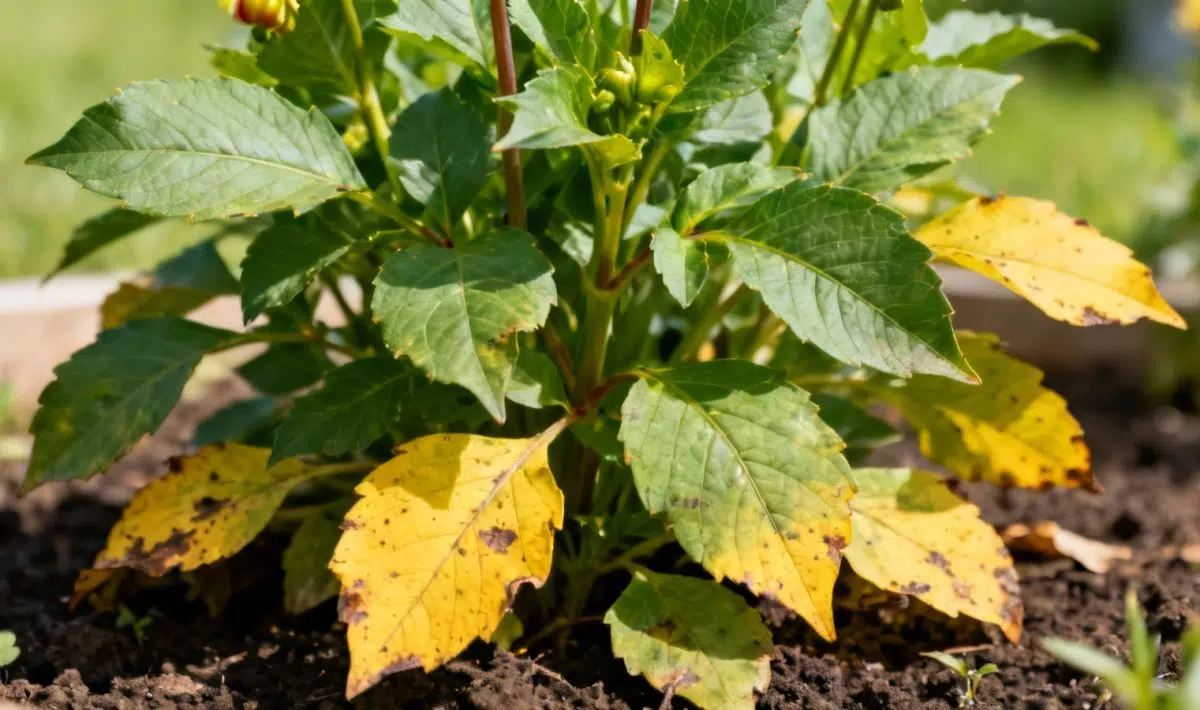
Why are my garden dahlia leaves turning yellow – causes and solutions
Nothing’s more frustrating than watching your beautiful dahlias develop yellow leaves just when they should be at their peak. If you’re wondering why are my garden dahlia leaves turning yellow, you’re not alone. This common issue affects gardeners everywhere, but the good news is that most causes are easily fixable with the right approach.
Yellow leaves on dahlias can signal various problems, from simple watering issues to more complex nutrient deficiencies. Understanding what your plants are trying to tell you is the first step toward getting them back to their vibrant best.
Several factors can cause your dahlia leaves to turn yellow, and identifying the right one is crucial for effective treatment. Let’s explore the most frequent culprits that affect these popular garden plants.
Watering problems
The most common reason for yellow leaves is improper watering. Dahlias need consistent moisture but can’t tolerate waterlogged conditions. When soil stays too wet, roots can’t breathe properly, leading to yellowing from the bottom up.
On the flip side, drought stress also causes leaves to yellow and drop. These plants need about an inch of water per week, delivered deeply rather than in frequent shallow sprinklings. Check soil moisture by sticking your finger two inches deep – it should feel slightly moist but not soggy.
✅ Quick Checklist
Is the soil too wet or too dry?
Is the plant getting 6+ hours of sunlight daily?
Have you fertilized in the last 2 months?
Are there visible pests under the leaves?
Does the pot have adequate drainage?
🔥 FREE
📱
Diagnose your plant in one click!
AI instant diagnosis • Personalized solutions • 50,000+ species
Yellow leaves often indicate nutrient problems, particularly nitrogen deficiency. When dahlias lack nitrogen, older leaves turn yellow first as the plant redirects nutrients to newer growth. This typically starts at the bottom of the plant and works upward.
However, too much fertilizer can also cause yellowing. Over-fertilizing creates salt buildup in soil, which prevents proper water uptake and stresses the plant. If you’ve been feeding heavily, flush the soil with water to remove excess salts.
Similar yellowing patterns can occur with other garden plants. Just like causes of yellowing sweet alyssum leaves, dahlia leaf problems often stem from these fundamental care issues.
Environmental stress factors
Weather conditions play a huge role in dahlia health. These plants are sensitive to temperature extremes and can show stress through leaf yellowing.
Temperature fluctuations
Dahlias prefer temperatures between 60-70°F during the day. When summer heat exceeds 85°F consistently, leaves may yellow and drop as the plant conserves energy. Similarly, unexpected cold snaps in spring or fall can shock plants and cause immediate yellowing.
If temperatures have been extreme in your area, yellow leaves might simply be your dahlia’s way of coping. Provide afternoon shade during heat waves and protect from cold with row covers when needed.
Sunlight issues
While dahlias love sun, they need about six hours of direct sunlight daily. Too little light causes weak, yellowing growth, while too much intense sun can scorch leaves. The ideal spot gets morning sun with some afternoon protection in hot climates.
Disease and pest problems
Sometimes yellow leaves signal more serious issues like diseases or pest infestations that require immediate attention.
Fungal diseases
Powdery mildew, downy mildew, and other fungal problems often start with yellowing leaves. Look for white powdery coating, brown spots, or fuzzy growth on leaf surfaces. These issues thrive in humid conditions with poor air circulation.
To prevent fungal problems, space plants properly and water at soil level rather than overhead. Remove affected leaves immediately and consider applying organic fungicide if problems persist.
Interestingly, many flowering plants show similar symptoms when stressed. For instance, reasons for yellow common mallow leaves often mirror dahlia problems, highlighting how consistent garden care prevents issues across different species.
Pest damage
Aphids, spider mites, and thrips can cause leaves to yellow by sucking plant juices. Check the undersides of leaves for tiny insects or webbing. These pests multiply quickly in warm weather but respond well to insecticidal soap or beneficial insects.
✅ Quick Checklist
Is the soil too wet or too dry?
Is the plant getting 6+ hours of sunlight daily?
Have you fertilized in the last 2 months?
Are there visible pests under the leaves?
Does the pot have adequate drainage?
🔥 FREE
📱
Diagnose your plant in one click!
AI instant diagnosis • Personalized solutions • 50,000+ species
Now that you understand the causes, let’s focus on practical solutions to prevent and treat yellow leaves on your dahlias.
Proper watering techniques
Establish a consistent watering routine that keeps soil evenly moist but never soggy. Water deeply once or twice weekly rather than frequent shallow watering. Apply a 2-3 inch layer of organic mulch around plants to retain moisture and regulate soil temperature.
During hot weather, you may need to water more frequently. Always check soil moisture before watering – it’s better to be slightly on the dry side than too wet.
Nutrition management
Feed dahlias with balanced fertilizer every 4-6 weeks during growing season. Use a 10-10-10 or similar ratio, applied according to package directions. Avoid high-nitrogen fertilizers late in the season as they promote leaf growth at the expense of flowers.
If you suspect nutrient deficiency, apply liquid fertilizer for faster results, then follow up with granular fertilizer for sustained feeding.
Garden maintenance practices
Regular garden maintenance prevents many problems before they start. Remove yellow or damaged leaves promptly to prevent disease spread and improve air circulation. Space plants properly to avoid overcrowding.
Keep your garden clean by removing fallen debris that can harbor pests and diseases. Take photos of problem areas to track changes and identify patterns over time.
When to take action
A few yellow leaves on mature dahlia plants is normal, especially as autumn approaches. However, rapid yellowing, leaves with spots or unusual patterns, or yellowing accompanied by other symptoms like wilting requires immediate attention.
Don’t panic if you notice some yellowing – most issues are correctable with proper care. Start with the basics: check soil moisture, evaluate sunlight, and examine plants for pests or diseases. Often, simple adjustments to your care routine will have your dahlias looking healthy again within a few weeks.
Allan is a lifelong gardening enthusiast who still gets excited when the first seedlings pop up in spring. With a deep love for nature and a hands-in-the-soil approach, he shares practical tips, plant discoveries, and clever tricks picked up over years of digging, planting, and observing. Whether you’re a new gardener or have a shed full of tools, Allan writes like a neighbor who’s always happy to swap cuttings and stories over the fence.
You can find more about Allan’s work on Malt or connect with him on LinkedIn.