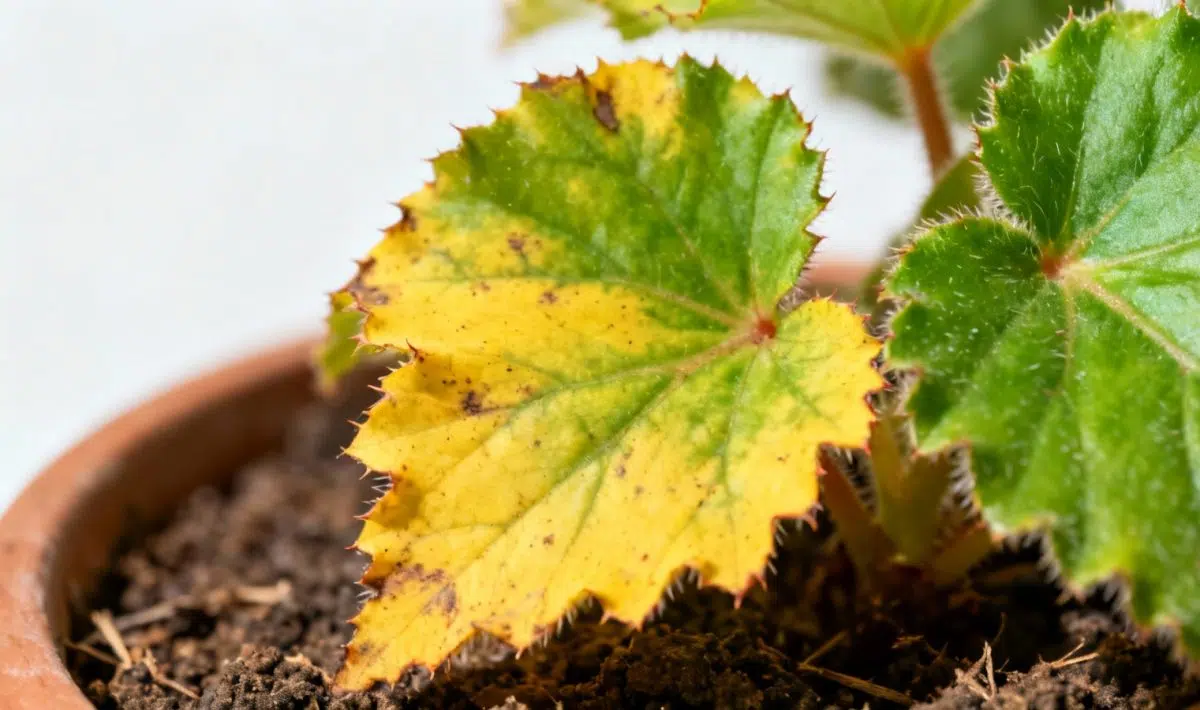
Why are my angel’s-wings leaves turning yellow – begonia care solutions
Nothing’s more frustrating than watching your beautiful angel’s-wings begonia develop those telltale yellow leaves. This stunning plant, with its distinctive wing-shaped foliage and delicate pink flowers, deserves proper care to maintain its vibrant green appearance. Understanding why those leaves are turning yellow is the first step toward nursing your plant back to health.
Yellow leaves on angel’s-wings begonias typically signal underlying care issues that are completely fixable with the right approach. From watering problems to light conditions, several factors can cause this common concern among plant enthusiasts.
The angel’s-wings begonia, scientifically known as Begonia coccinea, belongs to the cane-type group of begonias. This cultivar originated from Brazil and has become a favorite among gardeners for its compact bush growth and striking appearance. The plant features asymmetrical leaves with prominent silver veins that create an elegant pattern across the dark green surface.
These begonias are particularly valued for their ability to produce clusters of bright pink or white flowers throughout the growing season. The stems are sturdy and can support the plant’s leafy growth, making it an excellent choice for both indoor containers and outdoor gardens. Understanding these basic characteristics helps you provide better care for your plant.
✅ Quick Checklist
Is the soil too wet or too dry?
Is the plant getting 6+ hours of sunlight daily?
Have you fertilized in the last 2 months?
Are there visible pests under the leaves?
Does the pot have adequate drainage?
🔥 FREE
📱
Diagnose your plant in one click!
AI instant diagnosis • Personalized solutions • 50,000+ species
Overwatering stands as the primary reason behind yellow leaves in angel’s-wings begonias. These plants prefer consistently moist soil, but not waterlogged conditions. When roots sit in soggy soil for extended periods, they begin to rot, preventing proper nutrient uptake and causing leaves to turn yellow from the bottom up.
On the flip side, underwatering can also trigger yellowing, though it typically affects older leaves first. The plant conserves energy by sacrificing older foliage when water becomes scarce. Check the soil moisture by inserting your finger about two inches deep – it should feel slightly damp but never soggy.
To establish proper watering habits, allow the top inch of soil to dry between waterings. Use a pot with drainage holes and ensure excess water can escape freely. This simple adjustment often resolves yellowing issues within a few weeks.
Light conditions and placement
Angel’s-wings begonias thrive in bright, indirect light but struggle with both too much direct sun and insufficient illumination. Excessive direct sunlight can scorch leaves, causing them to yellow and develop brown edges. Conversely, inadequate light forces the plant to drop leaves to conserve energy.
Position your begonia near an east or north-facing window where it receives gentle morning light or consistent bright ambient light throughout the day. If you notice yellowing accompanied by leggy growth, your plant likely needs more light. However, if leaves appear bleached or crispy, reduce light exposure immediately.
Nutrient deficiencies and feeding
Yellow leaves often indicate nitrogen deficiency, especially when the yellowing starts with older, lower leaves. Angel’s-wings begonias are moderate feeders that benefit from regular fertilization during the growing season. A balanced, water-soluble fertilizer applied every two to three weeks supports healthy green foliage and abundant flowers.
Iron deficiency presents differently, causing yellowing between leaf veins while the veins themselves remain green. This condition, called chlorosis, requires specific treatment with iron-rich fertilizer or chelated iron supplements. Always dilute fertilizers to half strength to prevent root burn, which can exacerbate yellowing problems.
Similar to how understanding yellowing potato leaves requires examining multiple factors, begonia care involves considering the complete growing environment rather than focusing on individual symptoms.
Pest problems and disease management
Spider mites, aphids, and mealybugs commonly attack angel’s-wings begonias, causing stress that manifests as yellow leaves. These tiny pests feed on plant juices, weakening the overall health and triggering defensive responses like leaf drop. Regular inspection of the undersides of leaves helps catch infestations early.
Fungal diseases such as powdery mildew or bacterial leaf spot can also cause yellowing. These issues typically develop in environments with poor air circulation and excessive humidity. Remove affected leaves immediately and improve growing conditions to prevent spread.
For pest control, rinse plants with lukewarm water or use insecticidal soap. Neem oil provides organic protection against both pests and fungal issues. Always treat problems promptly, as stressed plants become more susceptible to additional complications.
✅ Quick Checklist
Is the soil too wet or too dry?
Is the plant getting 6+ hours of sunlight daily?
Have you fertilized in the last 2 months?
Are there visible pests under the leaves?
Does the pot have adequate drainage?
🔥 FREE
📱
Diagnose your plant in one click!
AI instant diagnosis • Personalized solutions • 50,000+ species
Temperature fluctuations significantly impact begonia health, with sudden changes causing leaf yellowing and drop. These plants prefer consistent temperatures between 65-75°F (18-24°C) and don’t tolerate cold drafts or heat sources well. Placing plants near heating vents, air conditioning units, or drafty windows often results in stress-related yellowing.
Low humidity can also contribute to leaf problems, as begonias naturally grow in humid environments. Indoor air, especially during winter months, often lacks sufficient moisture. Increase humidity around your plant using a pebble tray filled with water or by grouping plants together to create a more favorable microclimate.
Just as causes of yellowing paperplant leaves can involve environmental stressors, begonias respond poorly to sudden changes in their surroundings. Gradual adjustments work better than dramatic shifts in care routines.
Propagation and renewal techniques
Sometimes the best approach to dealing with a struggling angel’s-wings begonia involves taking healthy cuttings for multiplication. This technique allows you to preserve the plant while starting fresh with new, vigorous growth. Select healthy stems with several nodes and remove them just below a leaf joint using clean, sharp scissors.
Root cuttings in water or directly in moist potting mix, keeping them warm and humid until new growth appears. This process typically takes 2-4 weeks, after which you can transplant the new plants into individual containers. Fresh starts often grow more vigorously than older, stressed plants.
Stem cuttings from healthy, leafy portions of the plant root most successfully. Choose pieces that are 4-6 inches long and include at least two nodes where roots can develop. Remove lower leaves to prevent rot and maintain consistent moisture without overwatering.
Prevention and ongoing care tips
Preventing yellow leaves requires establishing consistent care routines rather than reactive treatments. Monitor your begonia weekly, checking soil moisture, examining leaves for pests, and ensuring proper light conditions. Early detection of problems allows for quick corrections before serious damage occurs.
Maintain a regular feeding schedule during the growing season, typically from spring through early fall. Use a balanced fertilizer diluted to half strength every two to three weeks, adjusting based on the plant’s response. Healthy, well-fed begonias resist stress better and recover more quickly from minor setbacks.
Consider repotting annually or when the plant becomes rootbound, using fresh, well-draining potting mix. This practice refreshes the growing medium and prevents the buildup of salts from fertilizers that can damage roots over time.
Your angel’s-wings begonia can return to its former glory with proper attention to these fundamental care requirements. Remember that plants often take several weeks to show improvement, so patience combined with consistent care yields the best results for maintaining those beautiful green leaves and delicate pink flowers.
Allan is a lifelong gardening enthusiast who still gets excited when the first seedlings pop up in spring. With a deep love for nature and a hands-in-the-soil approach, he shares practical tips, plant discoveries, and clever tricks picked up over years of digging, planting, and observing. Whether you’re a new gardener or have a shed full of tools, Allan writes like a neighbor who’s always happy to swap cuttings and stories over the fence.
You can find more about Allan’s work on Malt or connect with him on LinkedIn.