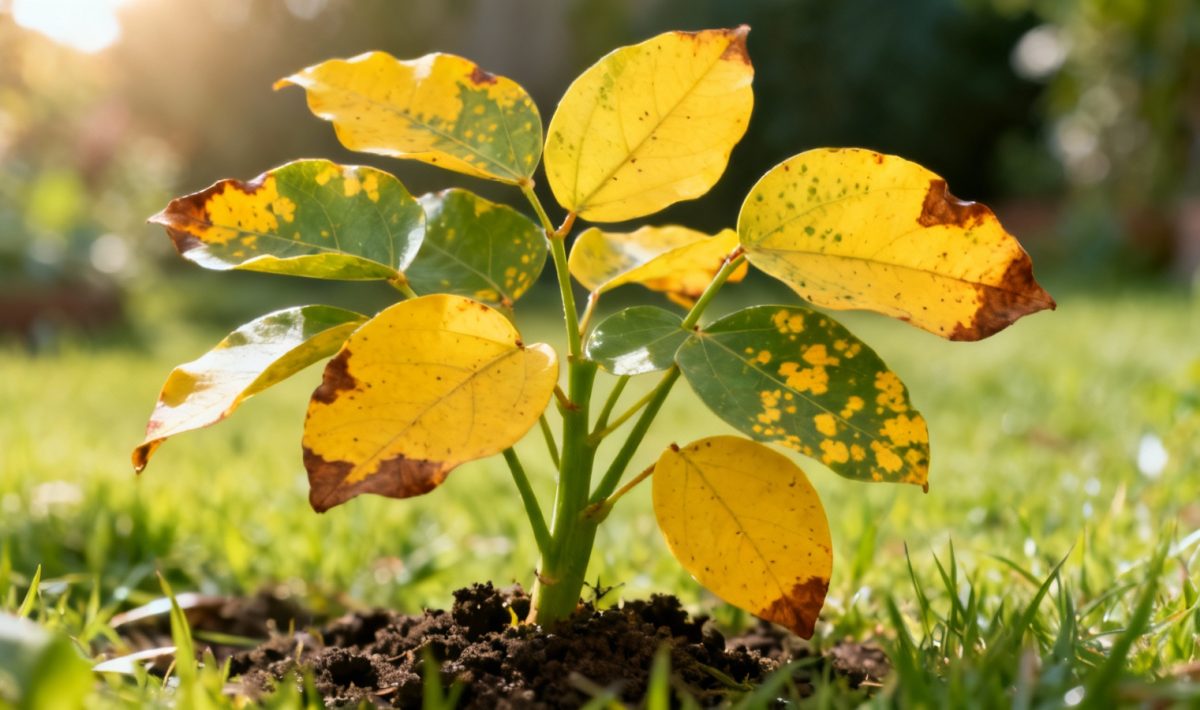
Understanding the causes behind yellow indian shot leaves
Yellow leaves on your indian shot (Canna) can be quite alarming, but this common issue often signals specific care problems that are relatively easy to fix. These vibrant flowering plants are known for their spectacular blooms and lush green foliage, so when those beautiful leaves start turning yellow, it’s your plant’s way of asking for help.
The good news is that yellowing leaves don’t necessarily mean your plant is dying. In fact, understanding why are my indian shot leaves turning yellow can help you address the root cause and restore your plant’s health. Let’s explore the most common reasons and their solutions.
✅ Quick Checklist
Is the soil too wet or too dry?
Is the plant getting 6+ hours of sunlight daily?
Are there visible pests under the leaves?
Does the pot have adequate drainage?
Have you fertilized in the last 2 months?
🔥 FREE
📱
Diagnose your plant in one click!
AI instant diagnosis • Personalized solutions • 50,000+ species
One of the most common reasons your indian shot leaves turn yellow is improper watering. These plants love water but can suffer from both overwatering and underwatering. Too much water leads to root rot, preventing the roots from absorbing nutrients properly, which causes the leaves to yellow from the bottom up.
On the other hand, not enough water stresses the plant, causing it to drop its lower leaves to conserve energy. You’ll notice the soil pulling away from the pot edges when it’s too dry. The sweet spot is keeping the soil consistently moist but never waterlogged.
To fix watering issues, check the soil moisture by inserting your finger about two inches deep. Water thoroughly when the top inch feels dry, but ensure your pot has drainage holes to prevent water from sitting at the bottom.
Light requirements for healthy green foliage
Indian shot plants absolutely love bright light and need at least six hours of direct sunlight daily to maintain their vibrant green color. When they don’t get enough light, the leaves gradually turn yellow as the plant struggles to photosynthesize effectively.
If your plant is indoors, place it near a south-facing window or consider supplementing with grow lights. Outdoor plants should be positioned where they receive morning sun and some afternoon protection in very hot climates. The beautiful red, purple, pink, and white flowers you love so much depend on adequate light exposure.
Moving your plant to a brighter location often resolves yellowing issues within a few weeks. Just make this transition gradual to avoid shocking the plant – move it to progressively brighter spots over several days.
Nutrient deficiencies and fertilization solutions
Yellow leaves can also indicate nutrient deficiencies, particularly nitrogen, which is essential for healthy green foliage. When plants lack nitrogen, older leaves turn yellow first as the plant moves nutrients to support new growth. This natural process becomes problematic when it happens too quickly or extensively.
Other nutrient deficiencies that cause yellowing include iron deficiency (yellowing between leaf veins while veins stay green) and magnesium deficiency (yellowing starts from leaf edges). Similar issues can affect other plants too, as explained in detailed potato leaf yellowing solutions for different species.
Feed your indian shot with a balanced, water-soluble fertilizer every two weeks during the growing season (spring through early fall). Look for fertilizers with equal parts nitrogen, phosphorus, and potassium, plus trace elements like iron and magnesium.
Pest problems affecting leaf health
Various pests can cause yellowing leaves on your indian shot. Spider mites, aphids, and thrips are common culprits that suck plant juices, weakening the plant and causing leaves to turn yellow and eventually drop off.
Inspect your plant regularly, especially the undersides of leaves where many pests hide. Look for tiny webs (spider mites), clusters of small insects (aphids), or silvery streaks on leaves (thrips). Early detection makes treatment much more effective.
For natural pest control, spray affected plants with insecticidal soap or neem oil every few days until the problem resolves. You can also blast pests off with a strong stream of water, which works particularly well for aphids.
Environmental stress factors
Temperature fluctuations, drafts, and sudden environmental changes can stress your indian shot, leading to yellow leaves. These tropical plants prefer consistent temperatures between 65-75°F and don’t appreciate cold drafts from air conditioning or heating vents.
Humidity levels also matter – indian shot plants thrive in moderate to high humidity. If your home is very dry, especially during winter, consider using a humidifier or placing a water tray near your plant to increase local humidity.
Just like with solutions for yellowing paperplant leaves, addressing environmental stressors often requires adjusting multiple factors simultaneously for the best results.
Seasonal changes and natural leaf aging
Sometimes yellow leaves are completely normal, especially during seasonal transitions. As indian shot plants prepare for dormancy in fall, older leaves naturally yellow and die back. This is part of their natural cycle and not a cause for concern.
However, if yellowing occurs during active growing seasons (spring and summer), it usually indicates a care issue that needs attention. Distinguishing between natural aging and problems requires observing the pattern – natural yellowing typically affects older, lower leaves first.
✅ Quick Checklist
Is the soil too wet or too dry?
Is the plant getting 6+ hours of sunlight daily?
Are there visible pests under the leaves?
Does the pot have adequate drainage?
Have you fertilized in the last 2 months?
🔥 FREE
📱
Diagnose your plant in one click!
AI instant diagnosis • Personalized solutions • 50,000+ species
The best approach to dealing with yellow leaves is preventing them in the first place. Establish a consistent care routine that includes regular watering (when the top inch of soil is dry), weekly fertilization during growing season, and monthly inspection for pests.
Keep your indian shot in a location with bright, consistent light and stable temperatures. If you’re growing them in containers, repot annually in spring using fresh, well-draining soil mix. This gives the roots room to grow and replenishes nutrients in the soil.
Monitor your plant’s overall health by checking new growth regularly. Healthy indian shot plants produce fresh green leaves consistently during the growing season and reward you with spectacular flowers in various colors. Remember that prevention is always easier than treatment when it comes to plant care.
With proper attention to watering, light, nutrition, and pest management, your indian shot plants can thrive for years, producing the beautiful blooms and lush foliage that make them such beloved additions to any garden or home collection.
Allan is a lifelong gardening enthusiast who still gets excited when the first seedlings pop up in spring. With a deep love for nature and a hands-in-the-soil approach, he shares practical tips, plant discoveries, and clever tricks picked up over years of digging, planting, and observing. Whether you’re a new gardener or have a shed full of tools, Allan writes like a neighbor who’s always happy to swap cuttings and stories over the fence.
You can find more about Allan’s work on Malt or connect with him on LinkedIn.