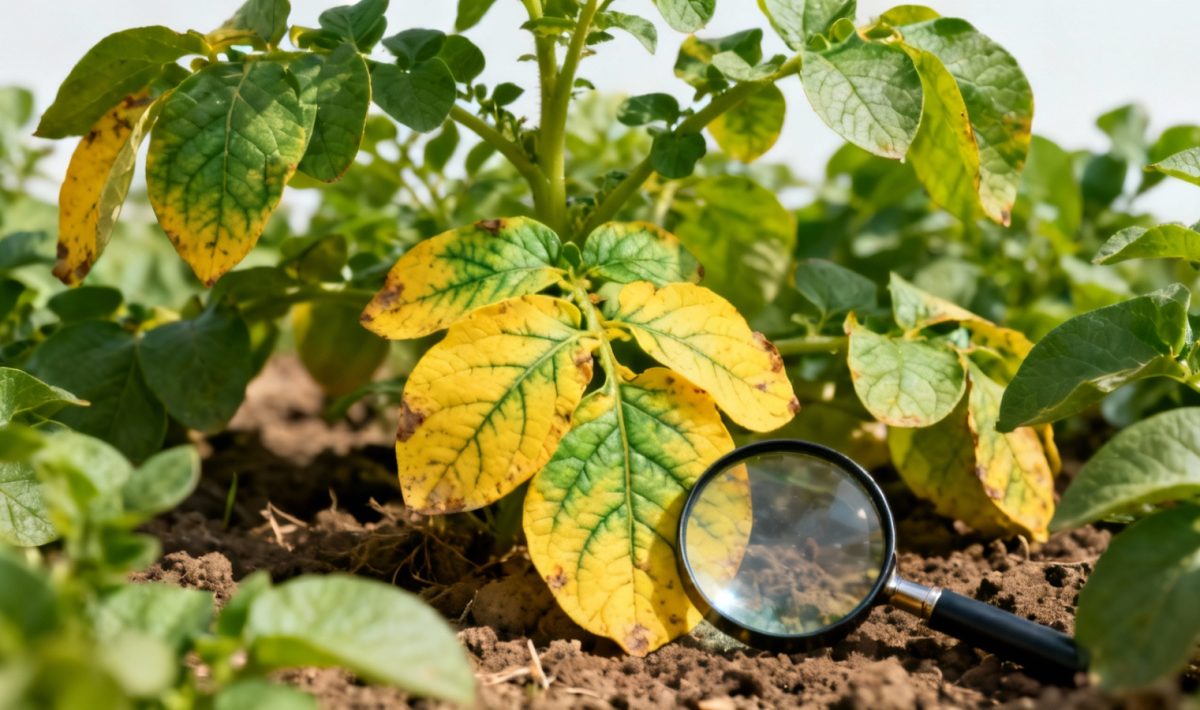
Why are my potato leaves turning yellow – causes and solutions
Nothing’s more frustrating than watching your potato plants develop yellow leaves just when you thought everything was going perfectly. If you’re wondering why are my potato leaves turning yellow, you’re not alone – this common issue affects many gardeners and can stem from several different causes.
The good news is that most cases of leaf yellowing are completely treatable once you identify the root cause. Let’s dive into the most common reasons your potato plants might be struggling and how to fix them.
Several factors can cause your potato plant leaves to turn yellow. Understanding these causes helps you take the right action to restore your plants’ health and ensure a good harvest.
Watering issues and water stress
Both overwatering and underwatering can cause yellowing in potato plants. When soil becomes waterlogged, the roots can’t breathe properly and begin to rot, leading to yellow leaves that often start from the bottom of the plant.
Conversely, insufficient water creates stress that manifests as yellowing foliage. The plant conserves energy by dropping older leaves first. Check your soil moisture by inserting your finger about two inches deep – it should feel slightly moist but not soggy.
✅ Quick Checklist
Is the soil too wet or too dry?
Is the plant getting 6+ hours of sunlight daily?
Have you fertilized in the last 2 months?
Are there visible pests under the leaves?
Does the pot have adequate drainage?
🔥 FREE
📱
Diagnose your plant in one click!
AI instant diagnosis • Personalized solutions • 50,000+ species
Yellowing leaves often signal that your plants need better nutrition. Nitrogen deficiency is particularly common and typically causes older leaves to yellow first while newer growth remains green.
Potassium deficiency shows up as yellowing leaf edges, while magnesium deficiency creates yellow patches between the leaf veins. Regular fertilization with a balanced fertilizer helps prevent these issues and supports healthy growth throughout the growing season.
Soil drainage and composition problems
Poor soil drainage creates an environment where root rot thrives. Clay soils that hold too much water can suffocate potato roots, while sandy soils might drain too quickly and leave plants thirsty.
The ideal soil for potatoes drains well but retains some moisture. Adding organic matter like compost improves both drainage and water retention. Your soil should also have a pH between 6.0 and 6.8 for optimal nutrient uptake.
Disease and pest-related yellowing
Various diseases and pests can cause potato leaves to yellow, and identifying the specific culprit helps you choose the right treatment approach.
Fungal infections
Early blight and late blight are common fungal diseases that cause yellowing. Early blight creates concentric rings on leaves before they turn yellow and brown. Late blight starts as dark spots that quickly spread during humid conditions.
Both diseases thrive in moist conditions, so improving air circulation and avoiding overhead watering helps prevent infection. Remove affected leaves immediately and consider applying appropriate fungicides if the problem persists. Similar yellowing issues can affect other plants, as explained in our guide on troubleshooting yellow paperplant leaves.
Common potato pests
Colorado potato beetles and aphids are frequent culprits behind yellowing leaves. These insects damage plants by feeding on foliage and can transmit viral diseases that cause additional yellowing.
Inspect your plants regularly, paying special attention to the undersides of leaves where many pests hide. Early detection makes treatment much more effective and prevents serious damage to your crop.
Environmental factors affecting plant health
Weather conditions and seasonal changes significantly impact potato plant health and can trigger yellowing even when care practices are perfect.
Temperature stress
Extreme heat causes plants to wilt and yellow as they struggle to maintain proper water balance. Cold temperatures can also shock plants and cause similar symptoms, especially if temperatures drop suddenly.
During hot weather, provide some afternoon shade and ensure consistent moisture. In cool climates, protect plants from unexpected frosts with row covers or other protective measures.
Natural aging process
As potato plants approach maturity, older leaves naturally begin to yellow and die back. This is completely normal and actually indicates that your tubers are developing properly underground.
However, if yellowing affects young leaves or spreads rapidly throughout the plant, it’s likely caused by other factors that need attention. Understanding this natural progression helps you distinguish between normal aging and actual problems.
✅ Quick Checklist
Is the soil too wet or too dry?
Is the plant getting 6+ hours of sunlight daily?
Have you fertilized in the last 2 months?
Are there visible pests under the leaves?
Does the pot have adequate drainage?
🔥 FREE
📱
Diagnose your plant in one click!
AI instant diagnosis • Personalized solutions • 50,000+ species
Preventing yellowing leaves is much easier than treating them after problems develop. Here are proven strategies that keep potato plants healthy throughout the growing season.
Proper watering techniques
Water deeply but less frequently to encourage strong root development. Apply water at soil level rather than overhead to reduce disease risk. During hot weather, morning watering allows plants to absorb moisture before temperatures peak.
Mulching around plants helps maintain consistent soil moisture and reduces the need for frequent watering. Organic mulches also break down over time, adding nutrients to the soil.
Fertilization schedule
Feed potato plants with a balanced fertilizer at planting time, then side-dress with compost or additional fertilizer when plants are about 6 inches tall. Avoid over-fertilizing with nitrogen late in the season, as this can delay tuber development.
Regular soil testing helps you understand exactly what nutrients your soil needs. This approach prevents both deficiencies and excesses that can harm plant health. Many gardeners face similar challenges with other plants, and understanding causes of yellow carnation leaves can provide additional insights into plant nutrition.
Disease prevention measures
Rotate potato crops to different garden areas each year to break disease cycles. Choose disease-resistant varieties when possible, and ensure good air circulation by proper plant spacing.
Remove plant debris at the end of each season and compost it properly to eliminate disease sources. These simple practices dramatically reduce the likelihood of recurring problems.
When to seek additional help
While most yellowing issues respond well to basic care adjustments, some situations require more intensive intervention. If yellowing spreads rapidly despite proper care, or if you notice unusual patterns or colors, consider consulting local extension services or experienced gardeners.
Taking photos of affected plants helps experts provide accurate diagnosis and treatment recommendations. Don’t hesitate to reach out for help – successful gardening often involves learning from others’ experience and expertise.
Remember that growing healthy potatoes is a skill that develops over time. Each season teaches you more about your local conditions and how your plants respond to different care practices. With patience and attention to detail, you’ll soon be harvesting beautiful, healthy potatoes from thriving green plants.
Allan is a lifelong gardening enthusiast who still gets excited when the first seedlings pop up in spring. With a deep love for nature and a hands-in-the-soil approach, he shares practical tips, plant discoveries, and clever tricks picked up over years of digging, planting, and observing. Whether you’re a new gardener or have a shed full of tools, Allan writes like a neighbor who’s always happy to swap cuttings and stories over the fence.
You can find more about Allan’s work on Malt or connect with him on LinkedIn.