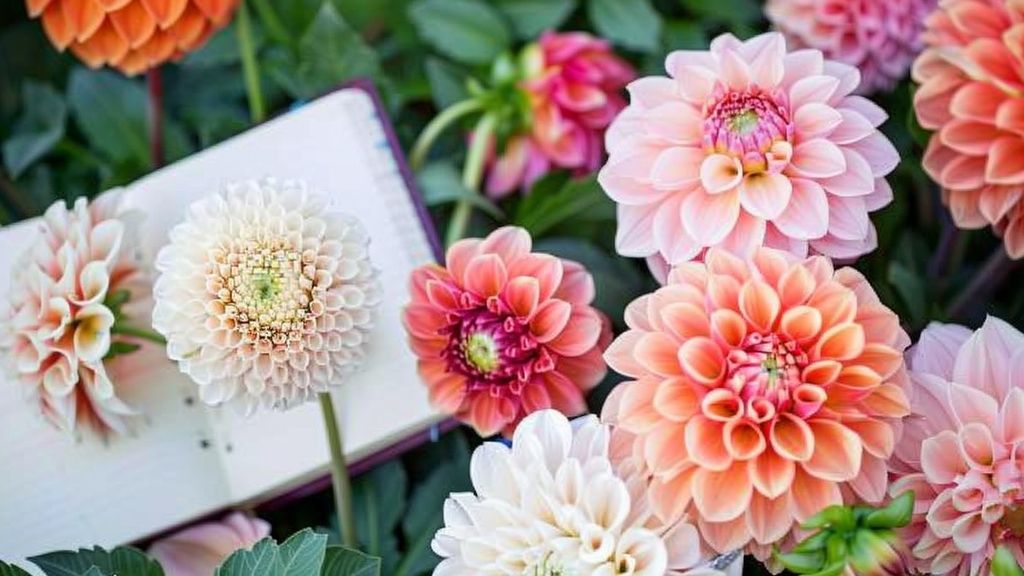
Dahlias are renowned for their vibrant blooms and versatility in gardens, offering a wide range of colors, sizes, and shapes. They can be grown from seeds or tubers, each method having its own set of advantages and disadvantages. Understanding these differences is crucial for gardeners looking to optimize their dahlia cultivation experience.
Growing dahlias from seeds allows for genetic diversity and the potential for new, unique varieties. However, this method can be unpredictable, as the resulting plants may not retain the exact characteristics of their parents. On the other hand, growing dahlias from tubers ensures consistency in the plant’s appearance and performance, as they produce offspring that are genetically identical to the parent plant.
choosing between seeds and tubers
When deciding whether to start dahlias indoors or directly in the ground, several factors come into play:
Climate and Timing: In regions with cold winters, starting dahlias indoors or in pots can provide a head start on the growing season, allowing for earlier blooms.
Soil Conditions: Dahlias prefer well-draining, fertile soil. Starting them in pots can help control these conditions more effectively.
Space and Resources: Indoor starting requires less space initially and can be more manageable for gardeners with limited outdoor space.
growing dahlias from seeds
Growing dahlias from seeds offers several benefits, including the potential for pollinator-friendly flowers and the excitement of discovering new varieties. However, it also involves some challenges:
advantages of seed growth
Genetic Diversity: Seeds can produce a wide range of flower types and colors, making each plant a pleasant surprise.
Pollinator-Friendly: Many seed-grown dahlias have open centers, which are more accessible to pollinators like bees and butterflies.
Cost-Effective: Seeds are generally less expensive than tubers.
disadvantages of seed growth
Unpredictability: The resulting plants may not resemble the parent plants in terms of size, color, or bloom type.
Longer Time to Bloom: Seedlings take longer to mature and produce flowers compared to tubers.
To grow dahlias from seeds effectively:
Stratification: Place seeds in moist potting mix or sand and refrigerate for about a month to enhance germination.
Indoor Sowing: Sow seeds indoors 8-10 weeks before the last frost date in a warm environment (65-80°F or 18-27°C).
Transplanting: Harden off seedlings before moving them outdoors, spacing them about 2-3 feet apart.
growing dahlias from tubers
Growing dahlias from tubers is a popular method due to its reliability and faster results. Here are some key points to consider:
advantages of tuber growth
Consistency: Tubers produce plants that are genetically identical to the parent, ensuring consistent bloom characteristics.
Faster Blooms: Tubers typically produce flowers earlier in the season compared to seed-grown plants.
Ease of Care: Established tubers are generally easier to care for, as they have a head start on the growing season.
disadvantages of tuber growth
Limited Genetic Diversity: Plants grown from tubers will have the same traits as the parent plant, limiting the potential for new varieties.
Higher Cost: Tubers are often more expensive than seeds.
To grow dahlias from tubers effectively:
Soil Preparation: Choose a location with full sun and well-draining soil. Amend the soil with compost if necessary.
Planting: Plant tubers in late spring after the last frost, with the “eyes” facing upwards. Space them about 18-24 inches apart.
Care: Water well and provide support as the plants grow. In colder climates, tubers must be dug up and overwintered indoors.
starting dahlias indoors
Starting dahlias indoors, whether from seeds or tubers, offers several benefits, particularly in regions with cold winters or short growing seasons.
benefits of indoor starting
Early Blooms: Indoor starting can give dahlias a 6-8 week head start on the growing season, leading to earlier blooms.
Better Control: Indoor conditions allow for more precise control over temperature, moisture, and light, which can improve germination and growth rates.
steps for indoor starting with tubers
Potting: Plant tubers in large pots filled with well-draining compost in early spring.
Temperature and Light: Keep them in a warm, sunny location or under grow lights until it’s safe to move them outdoors.
Hardening Off: Gradually acclimate the plants to outdoor conditions before planting them in the garden.
growing dahlias in pots
Growing dahlias in pots is a versatile option for gardeners with limited space or those who want to add color to outdoor living areas.
advantages of pot growth
Flexibility: Pots can be moved to different locations based on sunlight and temperature conditions.
Year-Round Color: In warmer climates, dahlias can be grown in pots year-round, providing continuous blooms.
steps for pot growth
Container Selection: Use pots with a diameter of at least 12-16 inches and ensure they have drainage holes.
Soil and Planting: Fill pots with well-draining potting mix and plant one tuber per pot, positioning it horizontally with the “eye” facing up.
Care: Maintain pots in full sun, water regularly, and fertilize with a balanced fertilizer.
In conclusion, whether to start dahlias indoors or directly in the ground depends on your specific gardening goals, climate, and available resources. Both methods have their advantages, and understanding these can help you make the most of your dahlia cultivation experience.
Allan is a lifelong gardening enthusiast who still gets excited when the first seedlings pop up in spring. With a deep love for nature and a hands-in-the-soil approach, he shares practical tips, plant discoveries, and clever tricks picked up over years of digging, planting, and observing. Whether you’re a new gardener or have a shed full of tools, Allan writes like a neighbor who’s always happy to swap cuttings and stories over the fence.
You can find more about Allan’s work on Malt or connect with him on LinkedIn.