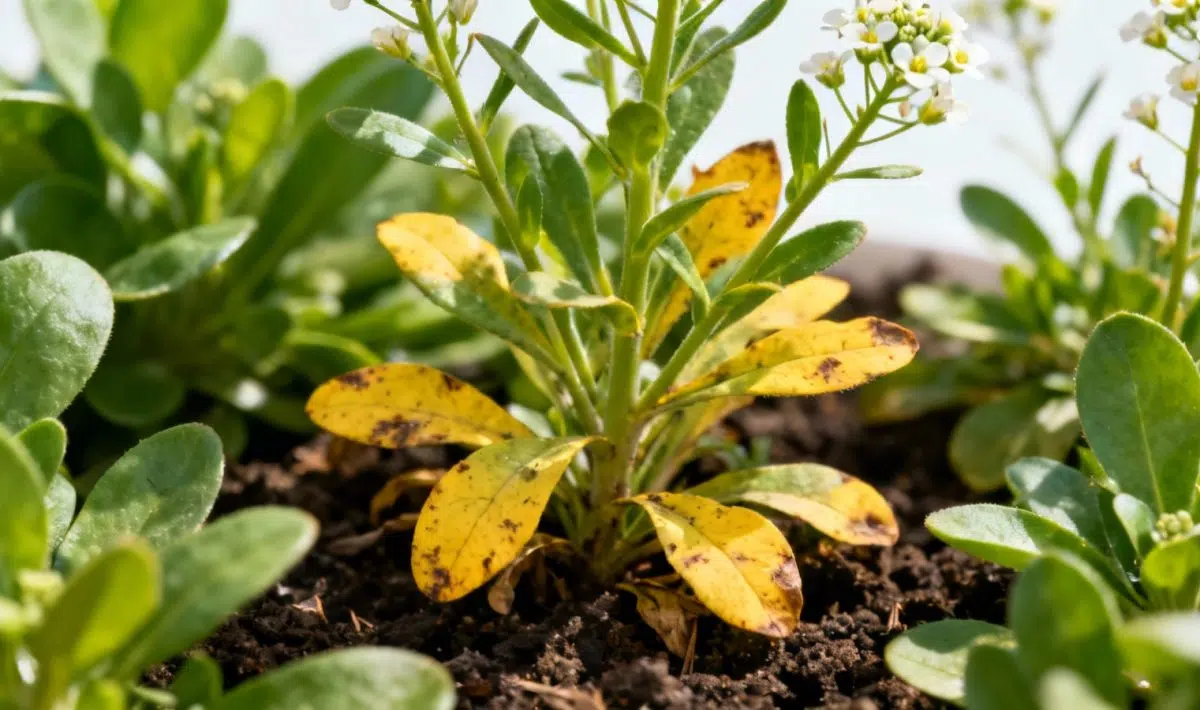
Why are my sweet alyssum leaves turning yellow – garden care solutions
Sweet alyssum, with its delicate white and purple flowers, is a beloved choice for garden borders and containers. However, when those cheerful green leaves start turning yellow, it can leave gardeners scratching their heads. Don’t worry – yellowing leaves in sweet alyssum plants are more common than you might think, and most issues are easily fixable with the right approach.
Understanding why your sweet alyssum leaves are turning yellow is the first step toward restoring your plant’s health. From watering problems to nutrient deficiencies, several factors can cause this discoloration. Let’s explore the most common causes and practical solutions to get your garden flourishing again.
The most frequent culprit behind yellow leaves is improper watering. Sweet alyssum plants prefer consistently moist but well-draining soil. When the soil becomes waterlogged, roots can’t access oxygen properly, leading to stress and yellowing foliage. Conversely, drought conditions can also cause leaves to yellow and drop as the plant conserves moisture.
Nutrient deficiencies, particularly nitrogen shortage, often manifest as yellowing that starts with older leaves and progresses upward. This is especially common in container plants where nutrients wash away with frequent watering. Over-fertilization can be equally problematic, burning delicate roots and causing similar symptoms.
✅ Quick Checklist
Is the soil too wet or too dry?
Is the plant getting 6+ hours of sunlight daily?
Have you fertilized in the last 2 months?
Are there visible pests under the leaves?
Does the pot have adequate drainage?
🔥 FREE
📱
Diagnose your plant in one click!
AI instant diagnosis • Personalized solutions • 50,000+ species
Sweet alyssum thrives in full sun to partial shade conditions. While these plants can tolerate some shade, insufficient light often leads to weak, yellowing growth. During hot summer months, intense afternoon sun combined with poor air circulation can stress plants and cause leaf yellowing.
Temperature fluctuations also play a role in plant health. Sweet alyssum is generally cool-weather friendly, but sudden temperature drops or heat waves can shock the system. Poor soil drainage compounds these problems, especially during rainy periods when water sits around roots for extended periods.
Pest and disease issues
Aphids, small green or black insects, commonly attack sweet alyssum and can cause yellowing leaves through their feeding activity. These pests cluster on new growth and flower buds, sucking plant juices and weakening overall vigor. Similar yellowing patterns can occur with other garden plants, as seen with causes of yellow cabbage leaves.
Fungal diseases like downy mildew or root rot often develop in humid conditions with poor air circulation. These diseases typically start with yellowing lower leaves before progressing upward. White powdery substances on leaf surfaces or dark, mushy roots are telltale signs of fungal problems.
Effective solutions for healthy sweet alyssum
Start by evaluating your watering routine. Check soil moisture by inserting your finger about an inch deep – it should feel slightly damp but not soggy. During summer months, you may need daily watering for container plants, while garden beds typically require watering every 2-3 days.
Improve soil drainage by adding compost or perlite to heavy clay soils. For containers, ensure adequate drainage holes and use a well-draining potting mix. Consider raising beds or containers if drainage remains problematic in your garden location.
Nutritional care and fertilization
Feed sweet alyssum with a balanced, water-soluble fertilizer every 2-3 weeks during the growing season. Use a fertilizer with equal parts nitrogen, phosphorus, and potassium (such as 10-10-10) diluted to half strength. This gentle approach provides nutrients without overwhelming delicate roots.
For organic gardening enthusiasts, compost tea or fish emulsion works wonderfully for these flowers. Apply organic fertilizers monthly, watching for improved leaf color within 1-2 weeks. Avoid high-nitrogen fertilizers that promote excessive leaf growth at the expense of flowering.
Pest management strategies
Combat aphids with regular water sprays from your garden hose, which physically removes pests without chemicals. Beneficial insects like ladybugs and lacewings naturally control aphid populations, so consider planting herbs like dill and fennel nearby to attract these helpful allies.
For severe infestations, insecticidal soap provides effective, gentle control. Spray affected plants in early morning or evening to avoid leaf burn, and repeat weekly until pests disappear. Indoor gardeners dealing with similar issues might find helpful information about fixing yellow bamboo leaves.
✅ Quick Checklist
Is the soil too wet or too dry?
Is the plant getting 6+ hours of sunlight daily?
Have you fertilized in the last 2 months?
Are there visible pests under the leaves?
Does the pot have adequate drainage?
🔥 FREE
📱
Diagnose your plant in one click!
AI instant diagnosis • Personalized solutions • 50,000+ species
Establish a consistent care routine that includes regular monitoring for early problem detection. Check plants weekly for signs of stress, pests, or disease. Early intervention prevents minor issues from becoming major problems that threaten entire garden displays.
Proper spacing between plants promotes good air circulation, reducing fungal disease risk. Sweet alyssum should be planted 6-8 inches apart in garden beds, allowing room for mature spread. This spacing also makes individual plant care easier when problems arise.
Creating optimal growing conditions
Choose garden locations with morning sun and afternoon shade, especially in hot climates. This light pattern provides energy for growth while protecting plants from scorching heat. Near trees or shrubs that provide natural shade work well for this purpose.
Mulch around plants with organic materials like shredded bark or compost to retain soil moisture and regulate temperature. Keep mulch 2-3 inches from plant stems to prevent moisture-related diseases. This simple step significantly reduces watering frequency and stress.
Seasonal care considerations
During spring planting season, choose well-established seedlings with vibrant green foliage and good root systems. Weak or yellowing seedlings often struggle to establish and may never fully recover from transplant shock.
In summer heat, provide extra shade during the hottest part of the day using shade cloth or strategic plant placement. Increase watering frequency but maintain good drainage to prevent root problems. Fall care involves gradual reduction in fertilization as plants prepare for dormancy or replanting.
Companion planting for garden success
Sweet alyssum pairs beautifully with other cool-season flowers like pansies, petunias, and marigolds. These combinations create stunning visual displays while providing beneficial insects with diverse nectar sources. The varied flower heights and colors add depth to garden beds and containers.
Consider planting sweet alyssum near vegetables like tomatoes and peppers, where their low-growing habit provides living mulch while their flowers attract pollinators. This companion planting strategy benefits the entire garden ecosystem while maximizing growing space.
With proper care and attention, sweet alyssum plants can provide months of beautiful blooms and healthy foliage. Remember that yellow leaves often signal easily correctable problems rather than serious plant diseases. Regular observation, appropriate watering, and gentle fertilization will keep your sweet alyssum collection thriving throughout the growing season. These resilient plants reward careful gardening with abundant flowers that attract birds and beneficial insects to your outdoor space.
Allan is a lifelong gardening enthusiast who still gets excited when the first seedlings pop up in spring. With a deep love for nature and a hands-in-the-soil approach, he shares practical tips, plant discoveries, and clever tricks picked up over years of digging, planting, and observing. Whether you’re a new gardener or have a shed full of tools, Allan writes like a neighbor who’s always happy to swap cuttings and stories over the fence.
You can find more about Allan’s work on Malt or connect with him on LinkedIn.