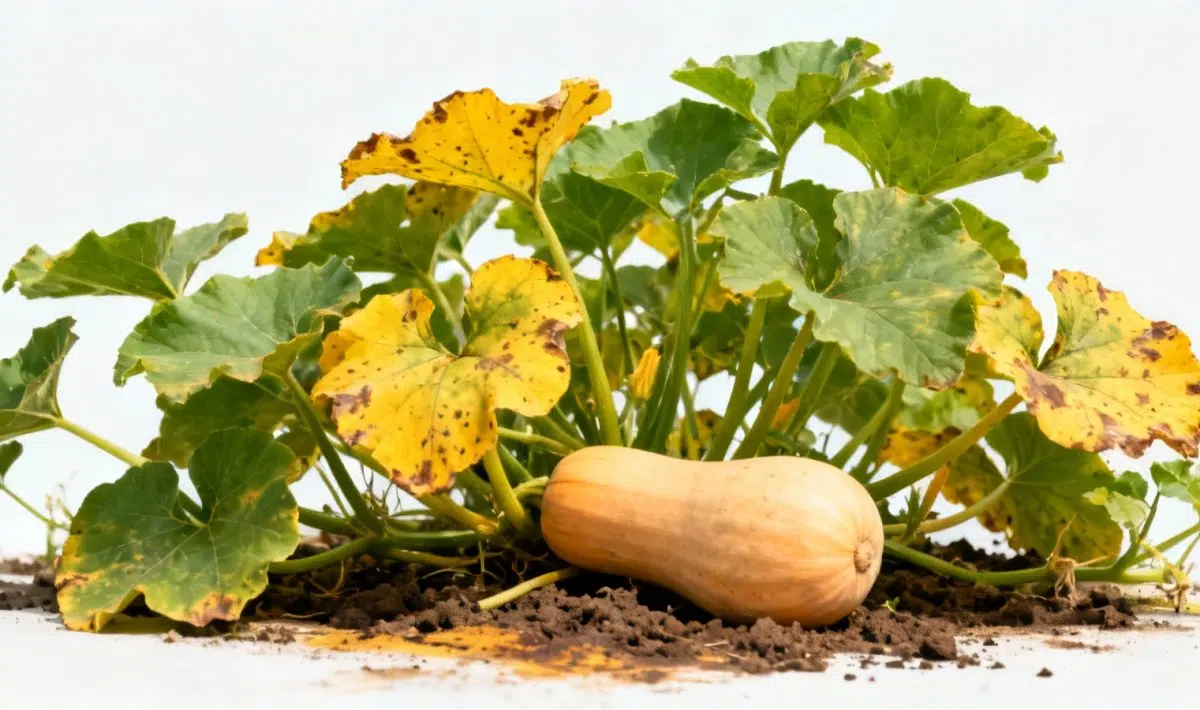
Why are my butternut squash leaves turning yellow – causes and solutions
Watching your butternut squash leaves turn yellow can be quite concerning, especially when you’ve invested time and effort into growing these beautiful vines. This common issue affects many gardeners, but the good news is that most causes are treatable once you identify the root problem.
Yellow leaves on butternut squash plants typically indicate stress from various factors. From nutrient deficiencies to watering issues, understanding these causes will help you take the right action to restore your plant’s health and ensure a good harvest of mature fruit.
Common nutritional deficiencies causing yellow leaves
Nutrient deficiencies are among the most frequent culprits when butternut squash leaves start yellowing. These annual vines are heavy feeders that require well-balanced nutrition throughout their growing season.
Nitrogen deficiency symptoms
Nitrogen deficiency typically shows up as yellowing that starts with older leaves at the base of the vine. The yellow color begins from the leaf edges and moves inward, while the veins may remain green for longer. When nitrogen is lacking, the plant cannot produce enough chlorophyll, which gives leaves their green color.
This deficiency often occurs in sandy soils where nitrogen leaches away quickly, or when plants have been growing in the same spot for more than a year without proper fertilization. The fruit production may also decline significantly when nitrogen levels are too low.
Magnesium and potassium deficiencies
Magnesium deficiency creates a distinctive pattern where leaves turn yellow between the veins while the veins themselves stay green. This interveinal chlorosis typically affects older leaves first and can spread upward through the plant.
Potassium deficiency appears as yellowing and browning leaf edges, often accompanied by a scorched appearance. These symptoms usually develop during fruit maturation when the plant’s potassium demands are highest.
✅ Quick Checklist
Is the soil too wet or too dry?
Is the plant getting 6+ hours of sunlight daily?
Have you fertilized in the last 2 months?
Are there visible pests under the leaves?
Does the pot have adequate drainage?
🔥 FREE
📱
Diagnose your plant in one click!
AI instant diagnosis • Personalized solutions • 50,000+ species
Several diseases and pests can cause yellowing leaves on butternut squash plants. Early identification is crucial for effective treatment and preventing the spread to healthy parts of the vine.
Fungal diseases
Downy mildew appears as yellow patches on the upper leaf surface with fuzzy growth underneath. This disease thrives in humid conditions and can quickly spread through the entire plant if not treated promptly.
Fusarium wilt causes leaves to turn yellow and wilt, starting from the bottom of the plant and moving upward. Unlike other yellowing issues, fusarium-affected leaves typically don’t recover even with improved care, and the disease often proves fatal to the plant.
Just like with other vegetables, similar symptoms can appear in different crops. For instance, causes of yellowing cabbage leaves often involve comparable fungal issues that affect leaf health.
Common pests
Aphids cluster on the undersides of leaves and suck plant juices, causing yellowing and distortion. These tiny insects multiply rapidly in warm weather and can transmit viral diseases that compound the yellowing problem.
Spider mites create fine webbing on leaves while feeding on plant cells. Their damage appears as stippling that eventually turns leaves yellow and bronze. They thrive in hot, dry conditions and reproduce quickly when temperatures rise.
Environmental factors causing leaf yellowing
Environmental stress plays a significant role in butternut squash leaf health. Understanding how conditions like water, light, and temperature affect your plants helps you create optimal growing conditions.
Watering problems
Both overwatering and underwatering can cause yellow leaves, but they show different patterns. Overwatered squash develops yellow leaves that feel soft and may have brown spots, while the soil stays consistently wet.
Underwatered plants show yellowing that starts with older leaves becoming crispy and dry. The soil pulls away from container edges, and the entire plant may wilt during the heat of the day.
Butternut squash vines need consistent moisture but well-draining soil. They prefer deep, infrequent watering that reaches the root zone without creating waterlogged conditions that can lead to root rot.
Light and temperature stress
Insufficient sunlight causes pale, yellowish leaves as the plant struggles to photosynthesize effectively. Butternut squash requires at least six hours of direct sunlight daily for optimal growth and fruit development.
Temperature extremes also stress plants into yellowing. Cold snaps below 50°F can shock the vines, while excessive heat above 95°F can cause leaf scorch and yellowing. These plants prefer steady temperatures between 65-75°F for best performance.
Effective solutions for restoring plant health
Once you’ve identified the cause of yellowing leaves, implementing the right solutions can help restore your butternut squash plant’s health and productivity.
Improving soil nutrition
A soil test reveals exactly which nutrients your squash needs. Most garden centers offer simple test kits, or you can send samples to your local extension office for detailed analysis.
For nitrogen deficiency, apply a balanced fertilizer with higher nitrogen content early in the season, then switch to lower-nitrogen formulas when fruit begins forming. Compost and aged manure provide slow-release nutrition that feeds plants throughout the growing season.
Magnesium deficiency responds well to Epsom salt applications – dissolve one tablespoon in a gallon of water and apply monthly. For potassium issues, wood ash or potassium sulfate can help, but use sparingly to avoid raising soil pH too high.
Disease and pest management
Remove affected leaves immediately to prevent disease spread, and dispose of them away from the garden. Improve air circulation around plants by spacing them properly and pruning excess foliage.
For fungal issues, apply copper-based fungicides early in the morning when dew is present. Neem oil works well for both pest and disease control, offering organic protection that won’t harm beneficial insects.
Beneficial insects like ladybugs and lacewings naturally control aphid populations. You can attract them by planting flowers like marigolds and zinnias near your squash patch.
Optimizing growing conditions
Install drip irrigation or soaker hoses to provide consistent moisture without wetting the leaves. Water early morning to allow foliage to dry before evening, reducing disease risk.
Mulch around plants with straw or shredded leaves to retain moisture and regulate soil temperature. This also suppresses weeds that compete for nutrients and water.
Similar environmental issues affect other plants too. Indoor plants like solutions for yellowing lucky bamboo often require adjustments to lighting and watering schedules to maintain healthy foliage.
✅ Quick Checklist
Is the soil too wet or too dry?
Is the plant getting 6+ hours of sunlight daily?
Have you fertilized in the last 2 months?
Are there visible pests under the leaves?
Does the pot have adequate drainage?
🔥 FREE
📱
Diagnose your plant in one click!
AI instant diagnosis • Personalized solutions • 50,000+ species
Preventing yellow leaves is easier than treating them after they appear. Regular monitoring and proactive care keep your butternut squash vines healthy throughout the growing season.
Start with healthy soil preparation before planting. Work in compost or aged manure to improve drainage and nutrition, and ensure your planting site receives full sun exposure.
Choose disease-resistant varieties when possible, and rotate your squash crops annually to different garden areas. This prevents soil-borne diseases from building up in the same location.
Monitor your plants weekly for early signs of stress. Catching problems early makes treatment more effective and prevents minor issues from becoming major setbacks that affect your harvest.
With proper care and attention, your butternut squash plants can produce abundant, healthy fruit while maintaining vibrant green foliage. The key is understanding what your plants need and providing consistent, appropriate care throughout their growing cycle.
Allan is a lifelong gardening enthusiast who still gets excited when the first seedlings pop up in spring. With a deep love for nature and a hands-in-the-soil approach, he shares practical tips, plant discoveries, and clever tricks picked up over years of digging, planting, and observing. Whether you’re a new gardener or have a shed full of tools, Allan writes like a neighbor who’s always happy to swap cuttings and stories over the fence.
You can find more about Allan’s work on Malt or connect with him on LinkedIn.