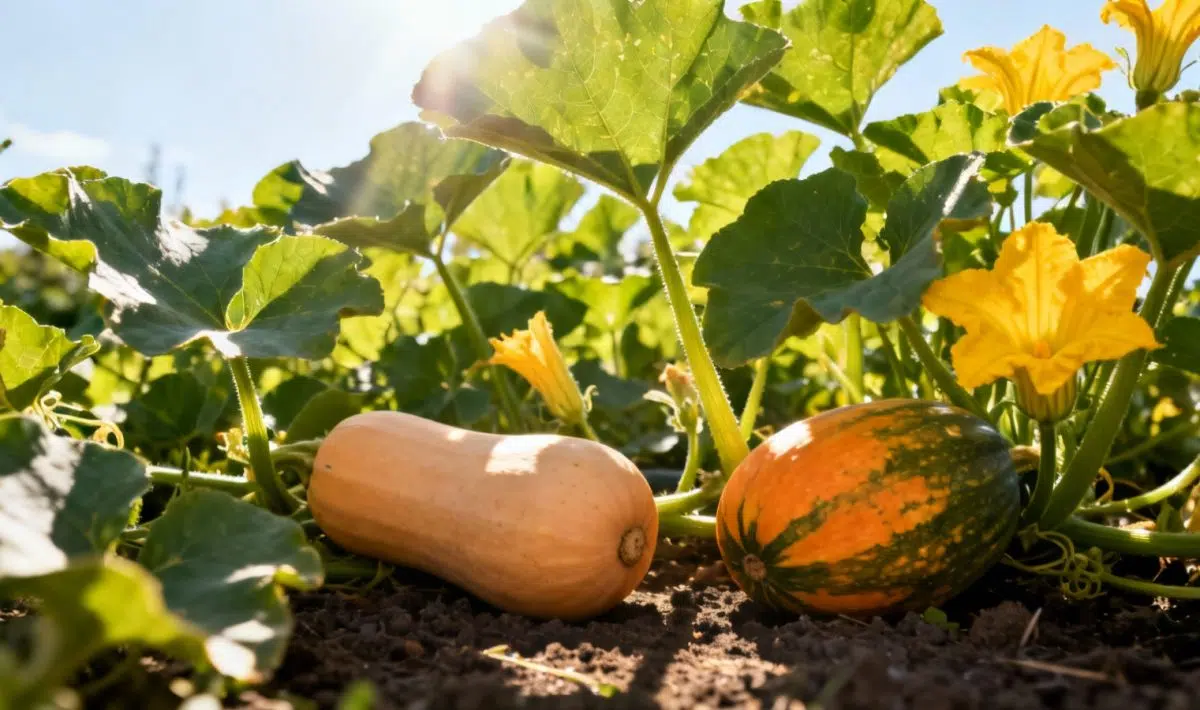
How much sunlight does winter squash need for growing butternut and waltham varieties
Growing winter squash successfully starts with understanding their fundamental light requirements. These robust vegetables demand plenty of sunshine to develop their sweet flesh and achieve proper maturation for winter storage. Whether you’re cultivating butternut, waltham, or other popular varieties, providing adequate sunlight is crucial for a bountiful harvest.
Winter squash plants require a minimum of 6 hours of direct sunlight daily to thrive and produce quality fruits. However, providing 8-10 hours of full sun exposure yields the best results for most varieties. This generous amount of light enables proper photosynthesis, which directly impacts fruit development and sugar content.
The intensity and duration of sunlight affect how winter squash plants allocate their energy. With sufficient light, they can focus on developing large, flavorful fruits with thick skin that stores well through winter months. Inadequate lighting often results in poor fruit set and reduced harvest quality.
During peak growing season, position your winter squash plants in the sunniest spot available in your garden. This ensures they receive maximum photosynthetic potential throughout their lengthy growing period, which typically spans 90-120 days from planting to harvest.
Understanding different winter squash varieties and their light needs
Butternut squash, one of the most popular winter varieties, particularly benefits from abundant sunlight. These plants develop their characteristic sweet, nutty flavor when exposed to consistent bright light throughout the growing season. The extended exposure helps concentrate sugars within the flesh, creating that beloved creamy texture.
Waltham butternut varieties also demand similar light conditions but tend to be slightly more tolerant of partial shade during morning or late afternoon hours. However, they still perform best with full sun exposure for the majority of the day. This variety produces excellent yields when given optimal growing conditions.
Other winter squash varieties like acorn, delicata, and hubbard squash share similar light requirements. Each benefits from maximum sunlight exposure, though some show better tolerance for brief periods of filtered light compared to others. Understanding your specific variety helps optimize placement in your garden layout.
Optimal growing conditions beyond sunlight
While sunlight forms the foundation of successful winter squash cultivation, soil quality plays an equally important role. These plants thrive in rich, well-draining soil with a pH between 6.0 and 7.5. Preparing your soil with compost or aged manure provides essential nutrients for vigorous growth.
Proper spacing ensures each plant receives adequate light penetration. Winter squash requires substantial space, typically 4-6 feet between plants, allowing air circulation and preventing shading between neighboring vines. This spacing also helps prevent fungal diseases that can develop in crowded conditions.
Water management complements light exposure for optimal plant health. Consistent moisture during flowering and fruit development supports healthy growth, while avoiding overwatering prevents root rot. Much like optimal sunlight for watermelon plants , winter squash benefits from deep, infrequent watering rather than frequent shallow irrigation.
Maximizing light exposure in your garden
Strategic garden planning helps maximize sunlight exposure for your winter squash plants. Choose locations that receive morning sun, as this helps dry dew quickly and reduces disease pressure. Afternoon sun provides the energy boost plants need for robust growth and fruit development.
Avoid planting winter squash near tall structures, trees, or other plants that might cast shadows during peak daylight hours. Even brief periods of shade can impact overall plant performance and reduce final harvest quality. Consider how shadows move throughout the day when selecting planting locations.
Training vines along the ground or providing support structures can help expose more leaves to direct sunlight. This technique proves particularly useful for gardeners with limited space who still want to achieve maximum light exposure for their plants.
Common growing challenges and solutions
Insufficient light often manifests as weak, spindly growth with poor fruit set. Plants may produce abundant foliage but few or small fruits when light levels are inadequate. Similar to how sunlight requirements for spearmint affect herb quality, winter squash quality directly correlates with light exposure.
Excessive heat during peak summer can stress plants even when light levels are adequate. Providing temporary shade during the hottest part of extremely hot days (above 95°F) can prevent leaf scorch while maintaining overall light exposure. Use shade cloth or temporary structures for protection during heat waves.
Competition from weeds reduces available light reaching lower leaves. Regular cultivation and mulching help control weeds while reflecting additional light back to plant foliage. This practice supports overall plant vigor and fruit development throughout the growing season.
Timing and seasonal considerations
Plant winter squash seeds or transplants after soil temperatures consistently reach 65°F and all danger of frost has passed. This timing ensures plants can immediately take advantage of increasing daylight hours as summer progresses. Early planting in cool conditions often results in poor germination and slow growth.
Consider that winter squash requires a long growing season, typically 90-120 days from planting to harvest. In shorter growing seasons, starting seeds indoors 2-3 weeks before transplanting can help maximize the growing period while ensuring plants receive full sunlight exposure outdoors.
As autumn approaches and daylight hours decrease, existing fruits continue maturing even with reduced light levels. However, new fruit set becomes unlikely, so focus care on supporting existing fruits to full maturation. Understanding this cycle helps gardeners plan their growing strategy effectively.
Harvesting and storage considerations
Proper sunlight exposure during the growing season directly impacts storage quality. Winter squash grown with adequate light develops thick, hard skin that provides natural protection during storage. These well-developed fruits can last several months when stored in cool, dry conditions.
Harvest winter squash when the skin becomes hard and cannot be punctured with a fingernail. The stem should appear dry and corky, indicating full maturation. Fruits that haven’t received sufficient sunlight often have softer skin and reduced storage life, much like other sun-loving crops such as cucumber plant sunlight needs .
Allow harvested fruits to cure in the sun for 7-10 days after picking to further harden the skin and extend storage life. This final sun exposure helps seal any minor cuts and prepares the squash for long-term storage through winter months.
Expert tips for success
Monitor your plants regularly for signs of adequate light exposure. Healthy winter squash plants display deep green foliage, sturdy stems, and abundant flowering. Pale or yellowing leaves often indicate insufficient light or other growing problems that need attention.
Consider companion planting with low-growing plants that won’t compete for light. Herbs, lettuce, or radishes can occupy space between squash vines without interfering with light exposure. This approach maximizes garden productivity while maintaining optimal growing conditions for your winter squash.
Unlike delicate plants such as light needs for ghost plants , winter squash can handle intense sunlight throughout most of the day. Take advantage of this resilience by providing maximum light exposure for the best possible harvest results.
Understanding how much sunlight winter squash needs empowers gardeners to make informed decisions about plant placement and care. With proper light exposure, quality soil, and consistent care, these rewarding vegetables will provide abundant harvests that can sustain you through the winter months ahead.
Allan is a lifelong gardening enthusiast who still gets excited when the first seedlings pop up in spring. With a deep love for nature and a hands-in-the-soil approach, he shares practical tips, plant discoveries, and clever tricks picked up over years of digging, planting, and observing. Whether you’re a new gardener or have a shed full of tools, Allan writes like a neighbor who’s always happy to swap cuttings and stories over the fence.
You can find more about Allan’s work on Malt or connect with him on LinkedIn.