Understanding sunlight requirements for mango tree cultivation
Growing a successful mango tree starts with understanding how much sunlight does mango tree need for optimal development. These tropical fruit trees are sun-loving plants that thrive in bright, warm conditions and require substantial daily light exposure to produce their delicious fruit. The relationship between adequate sunlight and healthy mango production is fundamental to successful cultivation, whether you’re growing standard varieties or dwarf trees in containers.
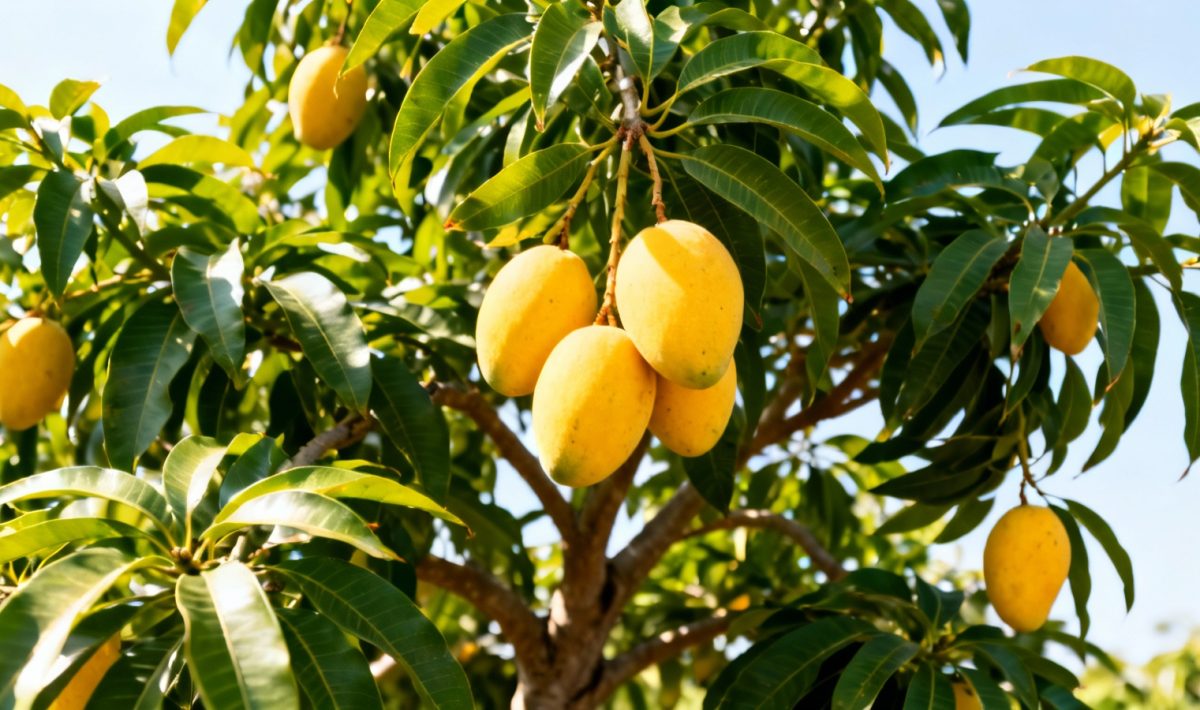
Mango trees demand full sun exposure, typically requiring 6 to 10 hours of direct sunlight daily for proper growth and fruiting. This extensive light requirement stems from their tropical origins, where they evolved under intense solar conditions. Without sufficient light, these trees struggle to develop properly and may fail to produce the sweet, juicy mangoes that make cultivation worthwhile.
Essential light exposure requirements for healthy mango trees
The foundation of successful mango cultivation lies in providing adequate daily sun exposure. Mature mango trees perform best with full sun conditions throughout the day, which means unobstructed access to direct sunlight from morning to late afternoon. Even partial shade can significantly impact their ability to flower and set fruit, making location selection crucial for long-term success.
Young mango trees benefit from a gradual introduction to intense sunlight. When first planted, these saplings can handle slightly filtered light as they establish their root systems. However, as they mature over the years, they increasingly require full sun exposure to reach their productive potential. Similar to how you might consider sunlight requirements for watermelon cultivation, mango trees need consistent, abundant light for fruit development.
Daily sunlight duration and intensity
Mango trees need a minimum of 6 hours of direct sunlight daily, though 8 to 10 hours produces optimal results. During the growing season, consistent exposure to bright, warm sunlight promotes healthy leaf development and encourages the tree to enter its fruiting phase. Trees that receive less than this minimum often exhibit poor growth, delayed maturity, and reduced fruit production.
The intensity of sunlight also matters significantly. These trees handle intense tropical sun well once established, but they struggle in low-light conditions. If you’re growing mangoes in regions with less intense sunlight, you’ll need to ensure they receive maximum available exposure throughout the day.
Optimal growing conditions and planting strategies
Selecting the right location for your mango tree determines its long-term success. Choose a spot that receives unobstructed sunlight throughout the day, away from buildings, large trees, or other structures that might cast shadows. The planting site should also provide protection from strong winds while maintaining excellent air circulation around the tree.
Soil conditions work hand in hand with light exposure to create ideal growing conditions. Well-draining soil prevents root rot, which can be particularly problematic when trees are grown in less than optimal light conditions. Like other sun-loving plants such as those requiring optimal sunlight for growing spearmint, proper drainage supports healthy root development and overall plant vigor.
Container cultivation considerations
Dwarf mango varieties can be successfully grown in containers, making them suitable for patios, courtyards, or greenhouse cultivation. When growing in pots, positioning becomes even more critical since you can move the container to optimize sun exposure. Place containers in the sunniest available location and rotate them periodically to ensure even light distribution.
Container-grown trees may need supplemental lighting in regions with limited natural sunlight. High-quality grow lights can extend the effective daylight hours, particularly during shorter winter days when natural light is insufficient for maintaining healthy growth.
Maximizing fruit production through proper care
Beyond adequate sunlight, several care practices help mango trees reach their productive potential. Regular pruning removes dead or overcrowded branches, allowing better light penetration throughout the canopy. This practice is particularly important for mature trees that may develop dense foliage that blocks internal branches from receiving adequate sun exposure.
Proper fertilization supports the energy demands of fruit production, especially when trees receive optimal sunlight. During the growing season, balanced fertilizers provide essential nutrients that complement the energy gained from photosynthesis. Just as cucumber’s sunlight needs for growth must be paired with proper nutrition, mango trees benefit from coordinated light and feeding schedules.
Watering and maintenance practices
Consistent moisture levels become particularly important when trees receive full sun exposure. The combination of intense sunlight and dry soil can stress trees and impact fruit development. Deep, infrequent watering encourages strong root systems while preventing the waterlogged conditions that mango trees cannot tolerate.
Mulching around the base helps retain soil moisture and regulate root zone temperatures during hot, sunny periods. This practice is especially valuable in regions where intense summer heat might stress even well-established trees. Regular monitoring allows you to adjust care practices based on seasonal light variations and weather patterns.
Addressing common challenges and solutions
Many growers face challenges related to insufficient sunlight, particularly in temperate regions or urban environments. If natural light is limited, consider reflective surfaces or light-colored surfaces near the tree to increase overall light exposure. Some gardeners also explore heat-tolerant companion plants that don’t compete for light but provide beneficial ground cover.
Seasonal light variations affect mango trees differently depending on your location. In areas with distinct seasons, understanding how winter light changes impact tree dormancy and spring growth helps you plan appropriate care schedules. Unlike some plants requiring specialized conditions like ideal sunlight exposure for ghost plant, mango trees need consistent, high-intensity light year-round for optimal performance.
Protection strategies for extreme conditions
While mango trees love sun and warmth, extreme heat combined with intense sunlight can occasionally stress young or newly transplanted trees. Temporary shade cloth during peak summer heat protects vulnerable trees while they establish. However, this protection should be gradually removed as trees mature and develop heat tolerance.
Cold protection becomes necessary in borderline climates where mango cultivation pushes temperature limits. Understanding how reduced winter sunlight affects tree dormancy helps you provide appropriate protection without compromising the light exposure these tropical trees require. Some growers compare their needs to other sun-loving plants like sunlight needs for stinging nettle when planning garden layouts.
Long-term tree development and productivity
Mango trees are long-term investments that can produce fruit for decades when given proper care and adequate sunlight. Young trees typically take 3 to 5 years to begin fruiting, with production increasing as they mature. Consistent sun exposure throughout this development period ensures strong branch structure and productive capacity.
Understanding the growth patterns of different varieties helps you plan for long-term light management. Standard mango trees can reach considerable heights and spread, potentially affecting light availability for nearby plants. Dwarf varieties offer more manageable sizes while still requiring full sun exposure for optimal fruit production. Some gardeners also consider how trees might affect other plants requiring specific light conditions, such as Chinese privet sunlight requirements for health.
Successful mango cultivation ultimately depends on providing consistent, abundant sunlight combined with proper care practices. These magnificent tropical trees reward patient growers with delicious fruit harvests that make the investment in optimal growing conditions worthwhile. By ensuring your mango tree receives the 6 to 10 hours of daily sunlight it needs, you’re setting the foundation for years of productive harvests and the satisfaction of growing your own tropical fruit.
Allan is a lifelong gardening enthusiast who still gets excited when the first seedlings pop up in spring. With a deep love for nature and a hands-in-the-soil approach, he shares practical tips, plant discoveries, and clever tricks picked up over years of digging, planting, and observing. Whether you’re a new gardener or have a shed full of tools, Allan writes like a neighbor who’s always happy to swap cuttings and stories over the fence.
You can find more about Allan’s work on Malt or connect with him on LinkedIn.